
Why Pet Health Myths Persist
Misconceptions about animal health are remarkably durable. They spread through word of mouth, family tradition, and online forums, often because they contain a kernel of plausibility or were once partially true. The problem is that acting on inaccurate beliefs can delay necessary veterinary care or actively harm a pet.
Understanding where these myths come from - and what the evidence actually shows - helps owners make better daily decisions. For a broader look at how routine choices affect long-term wellbeing, see our guide to daily feeding habits that shape pet health over time.
Myth
Dogs heal their wounds by licking them, so owners should allow - or even encourage - the behavior.
Fact
Dog saliva introduces bacteria that can cause infection, and repeated licking prevents wounds from closing properly.
The belief likely originates from observations of animals instinctively attending to injuries. Dog saliva does contain some antimicrobial compounds, such as lysozyme, but these are insufficient to outweigh the risks. Canine mouths harbor a wide range of bacteria, including Pasteurella and Staphylococcus species, which can infect open tissue. Persistent licking also mechanically disrupts clot formation and can introduce moisture that softens skin and delays closure. Veterinarians routinely use Elizabethan collars (commonly called E-collars or cone collars) specifically to prevent this behavior during recovery.
Myth
Cats always land on their feet and are essentially immune to fall injuries.
Fact
Cats have a righting reflex but are not protected from injury - high falls frequently cause fractures, internal bleeding, and dental trauma.
Cats do possess a well-documented righting reflex - a vestibular-driven ability to orient their body during a fall. However, this reflex reduces, not eliminates, injury risk. Research published in veterinary literature on feline high-rise syndrome demonstrates that falls from even moderate heights (two to seven stories) commonly result in thoracic injuries, limb fractures, and jaw trauma. Falls from very great heights can paradoxically involve different injury patterns as the cat reaches terminal velocity and spreads its body, but serious harm remains a real possibility. Any cat that falls from a significant height should be evaluated by a veterinarian, even if it appears to walk away normally.
Myth
A dog's wet, cold nose means it is healthy; a dry or warm nose means it is sick.
Fact
Nose moisture varies throughout the day and is not a reliable indicator of health or fever.
A dog's nose may be dry after sleeping, in low-humidity environments, or simply due to individual variation. Conversely, a wet nose does not confirm the animal is well. Core body temperature - measurable only with a thermometer - is the meaningful clinical indicator, not surface nose texture. Veterinarians assess health through a combination of temperature, heart rate, respiratory rate, mucous membrane color, and behavioral signs. Owners relying on nose feel as a health proxy may miss genuine illness or worry unnecessarily about a perfectly healthy animal.
Myth
Pets only need veterinary visits when they are visibly sick or injured.
Fact
Many serious conditions - dental disease, early organ dysfunction, parasitic infections - are detectable before symptoms appear and worsen significantly without intervention.
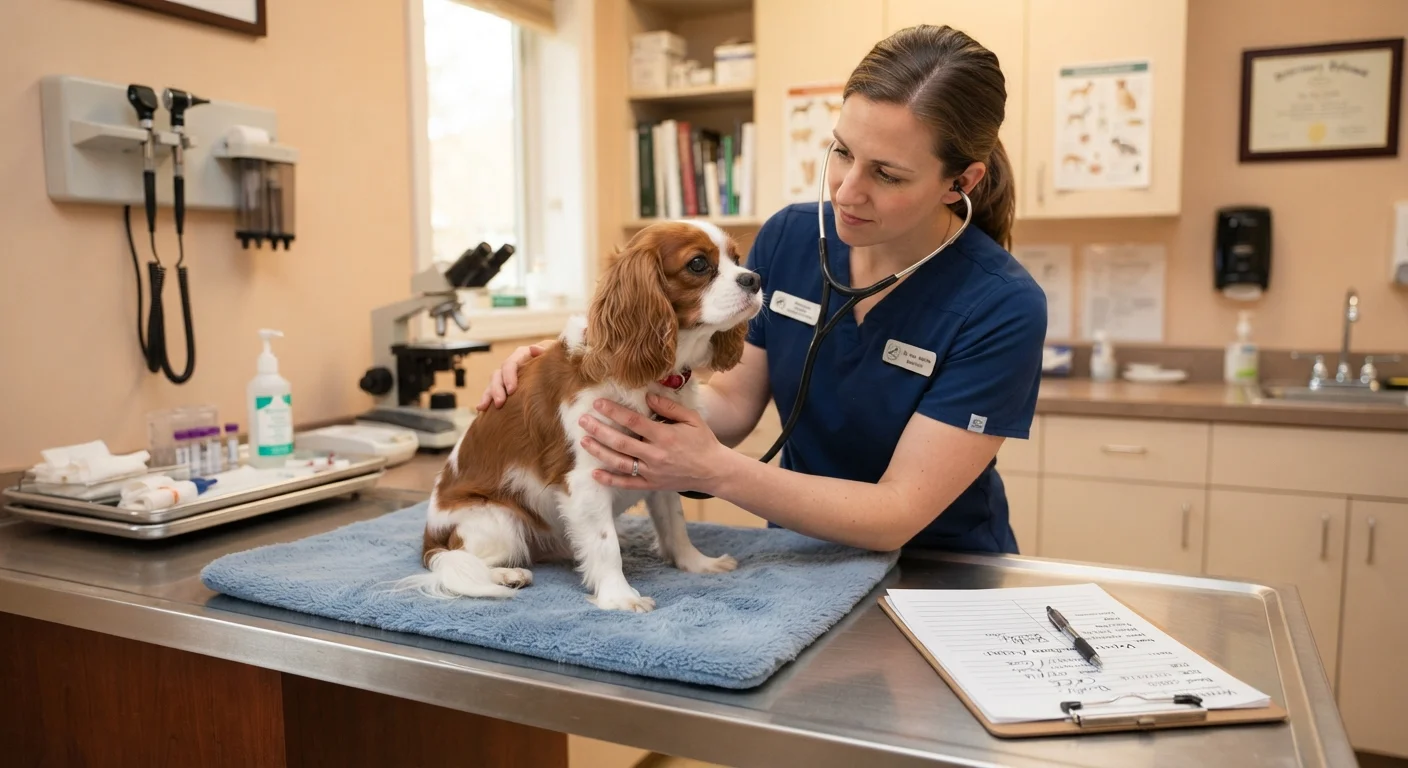
Animals instinctively mask signs of illness, a behavior rooted in evolutionary pressure to avoid appearing vulnerable. By the time clinical symptoms are obvious to an owner, conditions such as kidney disease, dental infection, or heart disease may already be significantly advanced. Preventive care visits allow veterinarians to conduct physical examinations, run baseline bloodwork, and administer vaccinations and parasite control on a schedule calibrated to the animal's age and lifestyle. Skipping these appointments because a pet seems fine is one of the most consequential myths in routine pet ownership. For context on how stress signals in pets are frequently missed, the pattern is the same: subtle changes go unnoticed until they escalate.
Myth
Small amounts of garlic or onion are safe - or even healthy - for dogs and cats.
Fact
Garlic and onions are toxic to dogs and cats at all quantities; even small repeated doses can cause hemolytic anemia.
Allium species - including garlic, onions, leeks, and chives - contain organosulfur compounds that damage red blood cells in dogs and cats, leading to hemolytic anemia (a condition in which red blood cells are destroyed faster than they can be replaced). Cats are particularly sensitive. The toxicity is dose-dependent and cumulative, meaning small amounts fed regularly can reach harmful thresholds over time. Garlic has occasionally been promoted in some alternative pet-care circles for flea prevention or immune support, but there is no credible veterinary evidence supporting these uses, and the toxicity risk is well established. If ingestion is suspected, contact a veterinarian or animal poison control service promptly.
Myths That Can Delay Essential Veterinary Care
Some misconceptions are harmless curiosities; others cause owners to postpone professional evaluation when a pet genuinely needs it. The myths below cluster around two high-stakes areas: wound care and physical resilience.
Wound Licking Can Cause Serious Infection
If your pet has a wound, surgical incision, or skin irritation, prevent licking immediately using an E-collar or protective covering. Bacterial infections introduced through licking can escalate quickly and may require antibiotic treatment or additional veterinary procedures. Do not wait to see whether the wound worsens before consulting a vet.
Misreading a pet's signals is closely linked to misunderstanding their body language. Our companion piece on reading pet body language explains how to interpret posture and behavior more accurately.
If you encounter unfamiliar terminology during a vet visit, our veterinary terms glossary decodes the language professionals use so you can engage more confidently in your pet's care.
Garlic and Onion Toxicity Is Often Underestimated
Many pet owners are unaware that cooked, powdered, or raw alliums - garlic, onions, leeks, chives - are all toxic to dogs and cats. Even small amounts fed regularly can accumulate to harmful levels. If your pet has consumed any allium product, contact your veterinarian or an animal poison control helpline rather than waiting for symptoms to appear.
Putting Evidence-Based Care Into Practice
Replacing myths with accurate information is only the first step - applying that knowledge consistently is what protects your pet. Routine veterinary visits, appropriate nutrition, and attentive observation remain the foundation of good care across every life stage. Our article on pet care across the lifespan outlines how health needs evolve from puppyhood through the senior years.
Behavioral myths are equally consequential. Misreading stress signals or misattributing aggression can strain the human-animal bond and lead to poor outcomes. The misconceptions about animal aggression piece examines how science corrects the most persistent beliefs about why animals behave as they do.
This article is for general informational purposes only and does not constitute veterinary advice. Always consult a qualified veterinarian for guidance specific to your pet's health and circumstances.