
Why Feeding Habits Accumulate Into Health Outcomes
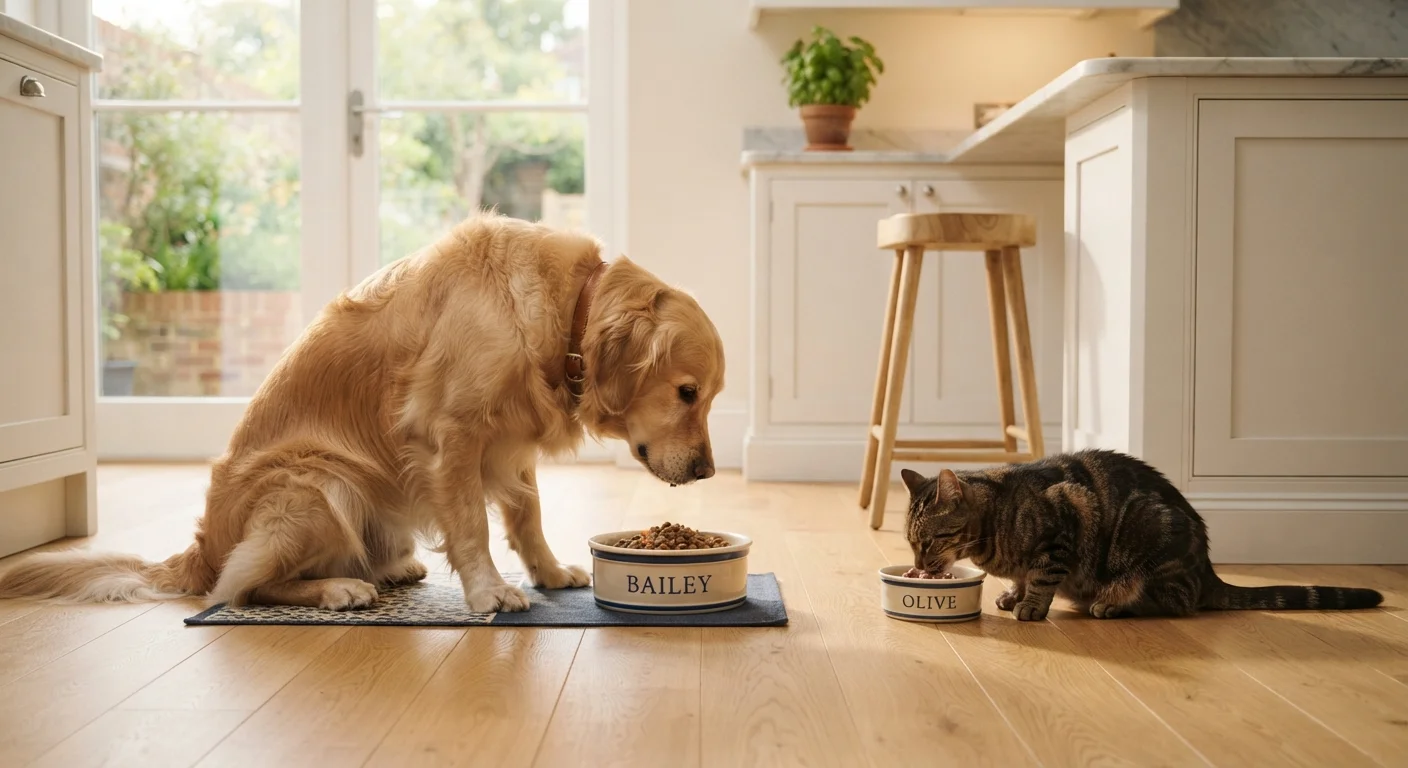
Most pet health problems don't appear overnight. Obesity, dental disease, kidney stress, and metabolic disorders typically develop across months or years of repeated small choices - the extra scoop, the skipped measurement, the table scraps given out of habit. Understanding that feeding is a daily intervention, not a background task, changes how you approach it.
Research in veterinary nutrition consistently shows that body condition - how lean or overweight a pet is - is one of the strongest predictors of lifespan and quality of life. Cats and dogs maintained at an ideal body weight tend to live measurably longer and develop fewer chronic conditions than overweight counterparts. The habits that produce that outcome are built at mealtimes, every day.
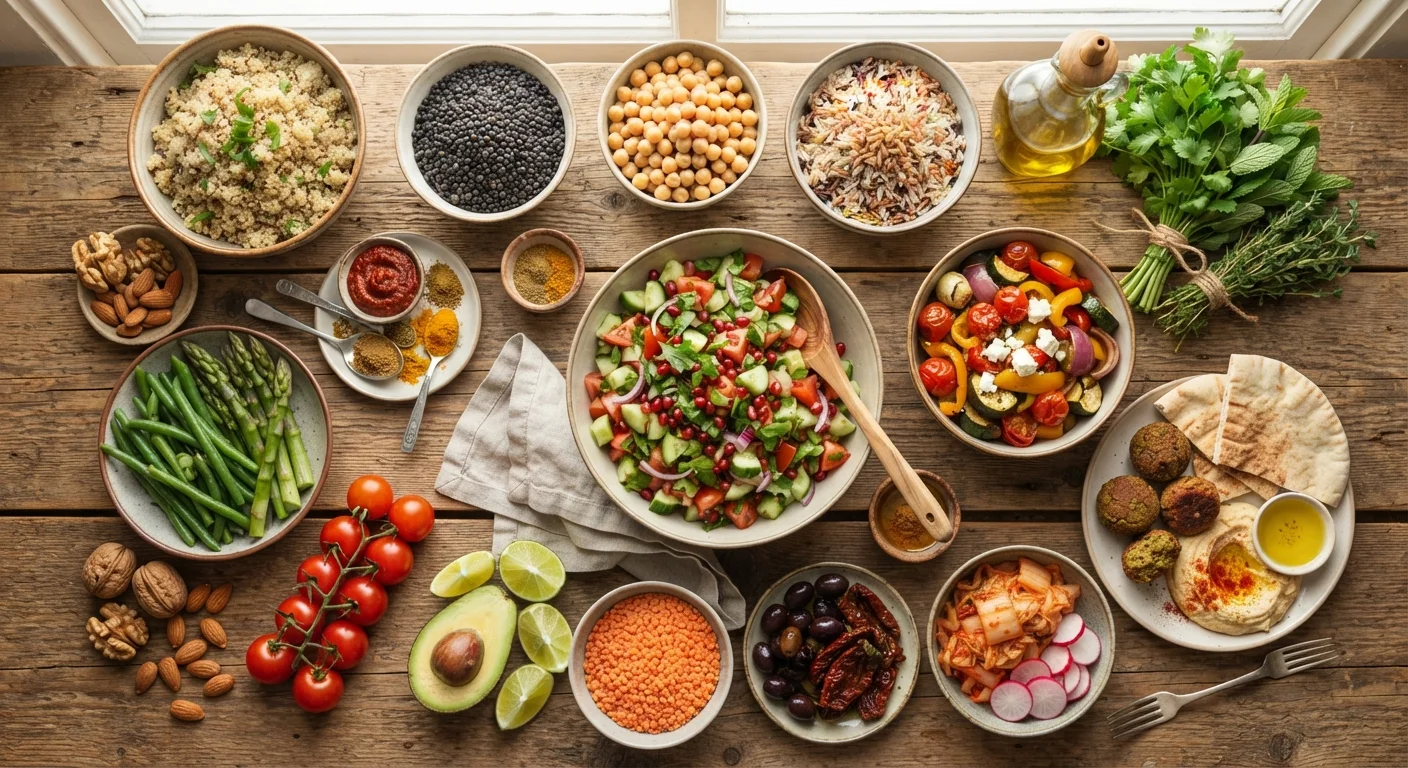
It's also worth noting that the patterns underlying healthy pet feeding share structural similarities with what we know about good nutrition broadly. The nutritional patterns that appear in healthy diets worldwide - consistency, appropriate quantity, and dietary variety over time - translate surprisingly well to animal care principles.
“Body weight and body condition are among the most modifiable factors in a companion animal's long-term health. The interventions that matter most happen at the food bowl, not in the clinic.”
— Lisa Freeman, Veterinary nutritionist and professor at Cummings School of Veterinary Medicine, Tufts University
Core Feeding Practices That Support Long-Term Health
The following practices are grounded in veterinary guidance and animal nutrition science. They apply broadly to dogs and cats, though specific requirements vary by species, breed, size, and life stage.
Measure every meal using a kitchen scale or calibrated measuring cup.
Eyeballing portions leads to chronic overfeeding - studies suggest owners consistently underestimate the volume they serve by 10-30%. Precise measurement is the single most reliable way to prevent gradual weight gain.
Feed scheduled meals rather than leaving food available continuously.
Free-feeding obscures your ability to monitor appetite, which is one of the earliest behavioral signals of illness. Structured mealtimes also support digestive regularity and help prevent boredom-driven overeating.
Select a food formulated specifically for your pet's life stage and size.
Life-stage formulations differ in protein concentration, caloric density, and mineral balance. A large-breed puppy food, for instance, is engineered to slow growth slightly - reducing the skeletal stress that rapid development can cause in giant breeds.
Count treats as part of the daily caloric budget, not as extras.
Treats can contribute 10-20% of a pet's total daily intake without owners registering them as food. Unaccounted treats are a leading driver of unexplained weight gain in otherwise well-managed feeding routines.
Provide fresh water at all times and clean the bowl daily.
Adequate hydration supports kidney function, digestion, and temperature regulation. Biofilm builds quickly on water bowls - even ones that appear clean - and can discourage drinking or introduce bacterial load.
Schedule an annual feeding review with your veterinarian.
Body condition, activity level, and metabolic rate shift gradually and aren't always visible to owners who see their pet every day. A vet check provides an objective assessment and an opportunity to recalibrate portions and food type.
Feeding Through Life Stages
One of the most overlooked dimensions of pet feeding is how dramatically requirements shift over a lifetime. Puppies and kittens need calorie-dense food with specific mineral ratios to support rapid growth. Adult pets require maintenance-level feeding calibrated to activity. Senior animals often need fewer calories but higher-quality protein and adjusted phosphorus intake to ease kidney load.
Sticking with the same food and quantity from puppyhood through old age is a common mistake - one that accelerates wear on joints, organs, and metabolism. The stage-by-stage guide to pet care across the lifespan covers the full arc of these shifting responsibilities. Appetite changes across life stages can also signal stress or illness before any other symptom appears - something explored in signs of stress in pets that are easy to overlook.
Transitioning Foods Gradually Prevents Digestive Upset
When switching to a new food - whether due to a life-stage change or a veterinary recommendation - introduce it over seven to ten days by blending increasing proportions of the new food with the old. Abrupt dietary switches frequently cause gastrointestinal disruption including vomiting and loose stools. A slow transition gives the gut microbiome time to adapt.
Quick Actions You Can Take Today
Improving your pet's feeding habits doesn't require a complete overhaul. Several high-impact adjustments can be made immediately, and their effects compound meaningfully over time.
If you're uncertain whether your current routine reflects evidence-based care - or if you've been working from assumptions picked up over the years - it's worth revisiting common pet health myths that many owners still believe to separate fact from widespread but inaccurate belief.
This article is for general informational and educational purposes only. Always consult a qualified veterinarian for guidance specific to your pet's species, breed, age, and health status.