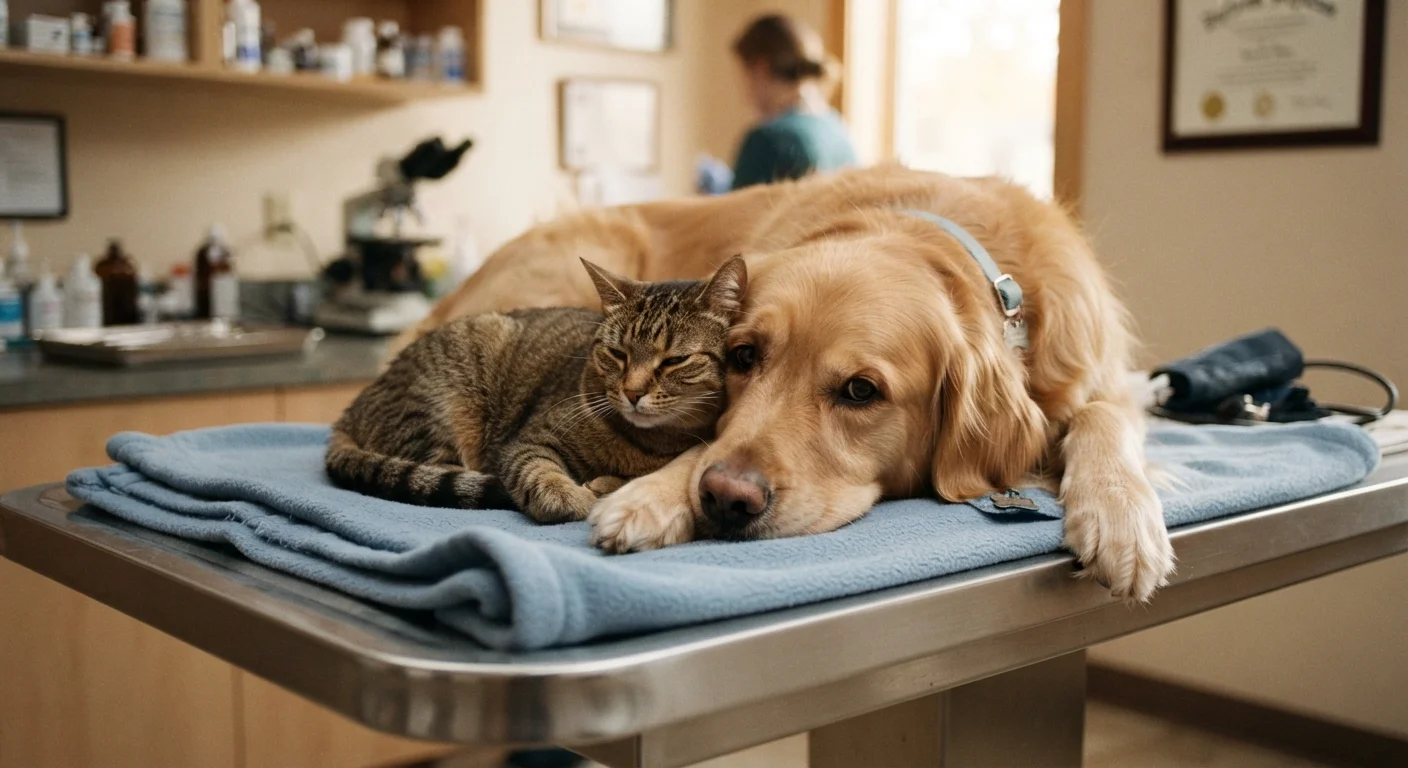


The Core Nutritional Difference: It Starts with Water
The most fundamental distinction between dry and wet pet food is moisture content. Wet food typically contains 70-85% water, while dry kibble averages just 8-12%. This single variable cascades into meaningful differences in caloric density, digestion, and organ health.
Cats, in particular, evolved as desert predators with a low thirst drive - they historically obtained most of their moisture from prey. Research published in veterinary nutrition literature consistently shows that cats on exclusively dry diets consume less total water even when a bowl is available, which can stress the kidneys and urinary tract over time. Dogs are more adaptable drinkers, but adequate hydration remains critical for kidney function, joint lubrication, and cellular health in both species.
Wet food effectively supplements daily fluid intake without relying on voluntary drinking behavior. For senior pets with declining kidney function, this advantage becomes clinically significant.
70-85%
Moisture content in wet pet food
Compared to 8-12% in dry kibble, wet food provides substantially more dietary water per serving.
~3×
More water consumed on wet diet
Studies in feline nutrition indicate cats on wet food diets consume roughly three times more total daily water than those on dry-only diets.
Dental Health, Palatability, and Digestibility
A common claim holds that dry kibble mechanically cleans teeth through abrasion. The reality is more nuanced. Most kibble fractures and crumbles on contact rather than scrubbing along the gumline. The Veterinary Oral Health Council (VOHC) notes that only specific dental diets - those with verified plaque-reduction evidence - offer meaningful oral health benefits. Standard kibble provides limited dental benefit for the majority of pets.
Wet food, while often blamed for accelerating tartar buildup, does not categorically worsen dental health compared to kibble. Regular tooth brushing and veterinary dental exams remain the most effective interventions regardless of food format.
On palatability, wet food holds a clear edge. Its aroma and texture are more appealing to cats and dogs with reduced appetite - whether from illness, aging, or stress. This makes it a practical tool for maintaining consistent intake during health challenges.
Digestibility is broadly similar across quality products in both formats, though some research suggests wet food's higher protein-to-carbohydrate ratio may align better with feline metabolic needs. Cats are obligate carnivores and handle high-starch dry diets with less efficiency than dogs.
Reading the Nutritional Label Matters
Compare pet foods on a 'dry matter basis' rather than as-fed percentages - wet food's high water content can make protein levels appear lower than they actually are. Divide the nutrient percentage by the dry matter percentage (100 minus moisture %) to get a true comparison. Your veterinarian or a board-certified veterinary nutritionist can help interpret labels if you're uncertain.
Comparing the Two Formats Head-to-Head
The practical differences between dry and wet food span cost, storage, portioning, and health impact. The table below summarizes key criteria to help owners weigh the options for their specific situation.
| Dry Food (Kibble) | Wet Food (Canned/Pouch) | |
|---|---|---|
| Moisture content | 8-12% | 70-85% |
| Hydration support | Low - water must be supplemented | High - contributes significantly to daily intake |
| Caloric density | High - smaller volumes needed | Lower - larger volumes per calorie |
| Cost per serving | Generally lower | Generally higher |
| Palatability | Moderate | High - stronger aroma and texture |
| Dental health impact | Marginal benefit for standard kibble | No meaningful advantage or disadvantage |
| Storage after opening | Stays fresh for weeks in sealed container | Refrigerate; use within 1-3 days |
| Suitability for cats | Adequate if hydration monitored | Often preferred by veterinary nutritionists |
It's worth noting that quality varies widely within each format. A budget dry food may fall short nutritionally compared to a premium wet option, and vice versa. Look for products that meet AAFCO (Association of American Feed Control Officials) nutritional adequacy standards for your pet's life stage.
Mixed Feeding and Practical Decision-Making
Many veterinarians and animal nutritionists suggest that combining both formats - sometimes called mixed or complementary feeding - can capture the benefits of each. Wet food at one meal provides hydration and palatability; dry food at another offers convenience and caloric reliability. The key challenge is preventing overfeeding: the caloric contributions of both portions must be accounted for together.
Life stage matters considerably. Kittens and puppies have different protein, fat, and mineral requirements than adults; seniors may need lower phosphorus loads to protect aging kidneys. Nutritional needs shift meaningfully across a pet's lifespan, and so should food choices.
Before drawing firm conclusions from popular claims about either format, it's useful to check them against veterinary evidence. Many assumptions - about dental benefits, weight gain, or ingredient quality - don't hold up under scrutiny. Several persistent pet feeding myths continue to influence owner decisions despite limited scientific support.
Ultimately, the best food is one that meets complete nutritional requirements, suits your pet's health profile, and is eaten consistently. A veterinarian can help tailor that decision - especially for pets with underlying conditions such as diabetes, kidney disease, or food sensitivities.
This article provides general educational information about pet nutrition and is not a substitute for personalized veterinary advice. Consult a licensed veterinarian for guidance specific to your pet's health and dietary needs.