
What At-Home Grooming Actually Covers
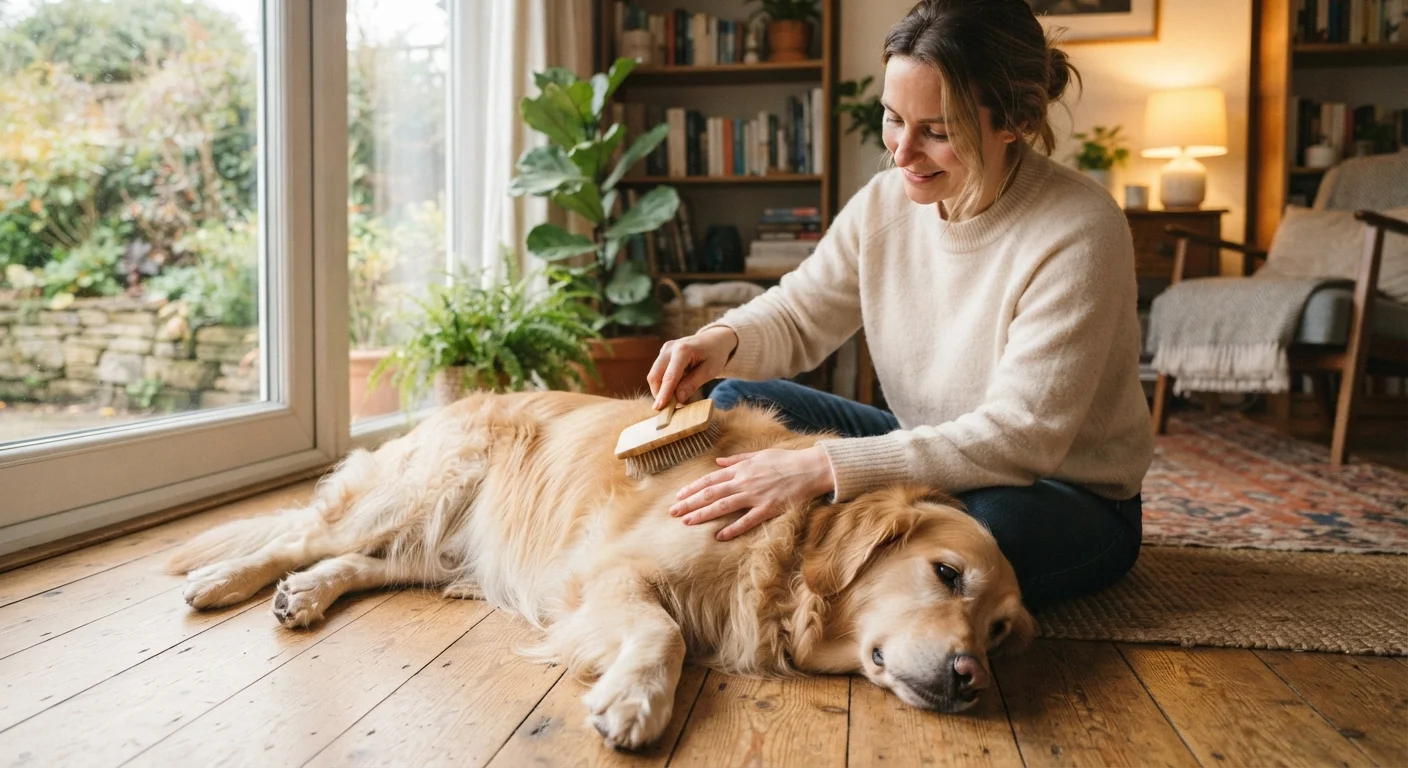
At-home grooming spans a wider range of tasks than many owners initially realise. At the simpler end sits daily brushing, gentle bathing, wiping around the eyes, and checking the skin for lumps, redness, or parasites. These are tasks most owners can learn quickly and perform safely with basic tools and some practice.
Further along the difficulty curve are nail trimming, ear cleaning, and trimming fur around the face, paws, or sanitary areas. These require more precision, appropriate equipment, and - crucially - a pet who is calm enough to cooperate. For anxious animals or complex coats, even well-intentioned owners can cause discomfort or injury without realising it.
Understanding where you sit on that spectrum is the starting point. If you've recently welcomed a pet, your first week with a new animal is a good time to begin gentle, low-stakes handling like ear inspection and paw touching - even before active grooming begins.
The Real Advantages of Grooming at Home
Done consistently and correctly, at-home grooming delivers meaningful benefits that go beyond saving money.
Reduces professional grooming costs over time
Handling brushing, bathing, and basic maintenance at home can stretch the interval between professional appointments, lowering annual grooming expenses meaningfully for multi-pet households.
Strengthens the human-animal bond
Regular hands-on handling builds trust between owner and pet, making the animal more comfortable with touch - a benefit that extends to vet examinations and emergency care situations.
Enables early detection of health changes
Routine brushing and inspection gives owners frequent, close contact with their pet's skin, coat, and body, making it more likely they'll notice lumps, sores, or parasites early.
Flexible scheduling around the pet's comfort
At-home grooming allows owners to work at the animal's pace, pausing when stress signals appear rather than adhering to a salon appointment timetable.
Maintains coat condition between professional visits
Regular brushing prevents mats from forming and distributes natural skin oils, which supports coat health and reduces the workload - and cost - at professional appointments.
$50-$150+
Typical cost per professional grooming session
Costs vary by breed coat type, geographic location, and salon; double-coated and curly-coated breeds generally sit at the higher end of this range.
4-8 weeks
Recommended professional grooming interval for many breeds
Veterinary and grooming industry guidance suggests this frequency for breeds with continuous coat growth; short-coated breeds may need professional attention far less often.
From a financial perspective, professional grooming sessions can cost anywhere from $50 to over $150 depending on breed size and coat complexity, often recommended every four to eight weeks. Handling routine maintenance at home - brushing, bathing, teeth cleaning - can meaningfully reduce that frequency. For owners tracking household budgets, this fits naturally into a broader approach to building sustainable savings habits.
Where DIY Grooming Goes Wrong
The risks in at-home grooming are real and sometimes underestimated. The most common errors involve nail trimming, where cutting into the quick - the blood vessel inside the nail - causes pain and bleeding. On dark-nailed dogs, the quick is invisible, making the margin for error particularly narrow.
Nail trimming risk of cutting the quick
Cutting into the quick causes immediate pain and bleeding. The risk is highest with dark nails, where the blood vessel is not visible, and with wriggly or anxious animals.
Coat damage from incorrect clipping techniques
Shaving double-coated breeds or improperly clipping curly coats can lead to permanent coat structure disruption or painful skin-level matting that requires professional correction.
Ear cleaning can push debris deeper
Without proper technique, inserting a cotton bud or cleaning tool into the ear canal can compact wax and debris rather than remove it, potentially worsening existing infections.
Stress for anxious or reactive animals
Pets that have not been desensitised to grooming from an early age may become distressed during handling, and owner uncertainty can escalate that anxiety further.
Missing health signs that professionals catch
Experienced groomers are trained to notice skin abnormalities, ear odour, and dental issues; without that trained eye, owners may overlook early indicators of conditions that benefit from prompt veterinary attention.
Coat damage is another frequent consequence of well-meaning but uninformed grooming. Double-coated breeds such as Huskies and Golden Retrievers have a dense undercoat that should never be shaved - doing so can permanently disrupt the coat's insulating structure. Curly-coated breeds like Poodles and Doodles require specific clipping techniques to prevent painful matting close to the skin.
It's also worth noting that grooming sessions can reveal early health indicators - skin irritation, unusual lumps, ear infections - that a trained groomer or vet is better positioned to interpret. As discussed in our overview of common pet health myths, owners sometimes misread normal variation as a problem, or - more dangerously - dismiss genuine warning signs.
When to See a Vet, Not a Groomer
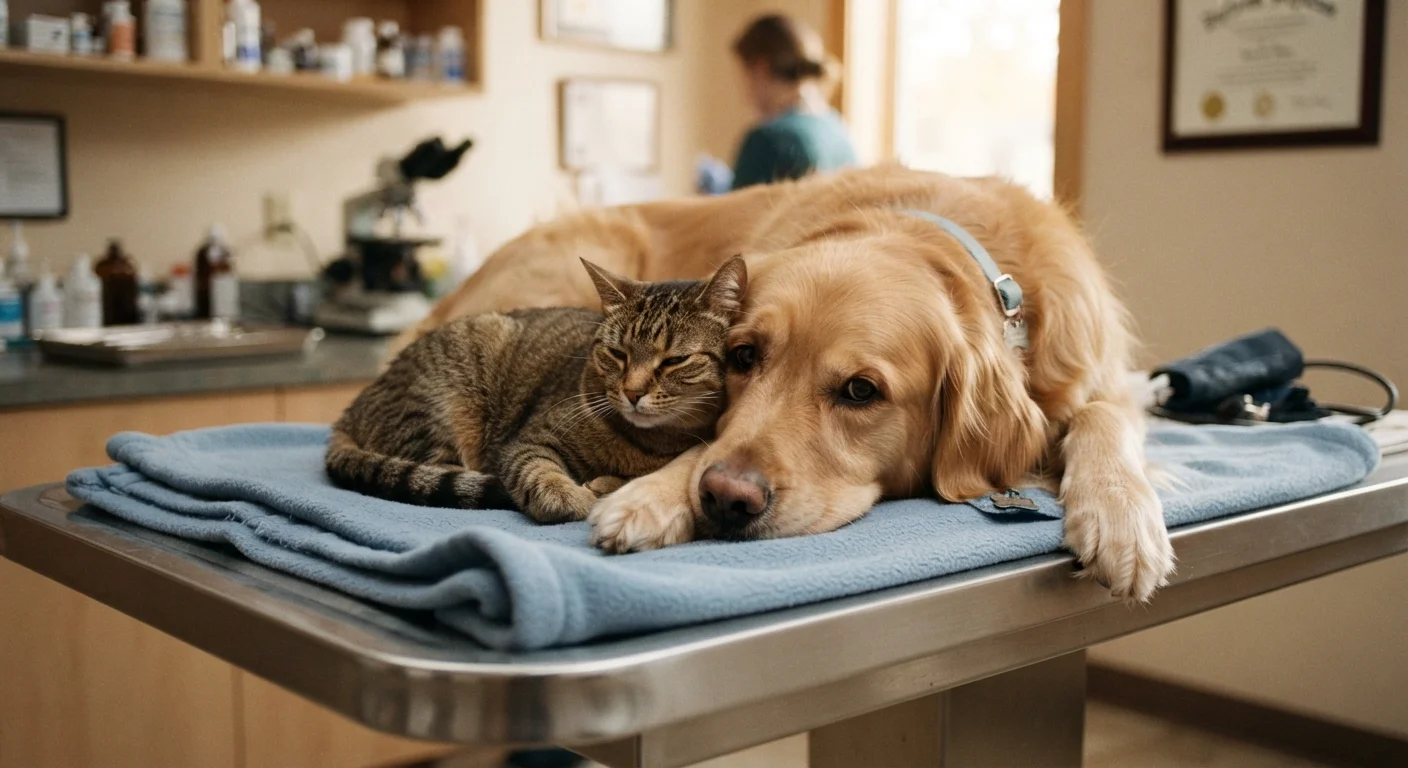
If you notice redness, swelling, a foul odour from the ears, skin lesions, or significant hair loss during a grooming session, these are veterinary concerns - not grooming issues. Continuing to groom over an active skin condition can worsen it. Always consult a veterinarian if you're unsure whether what you're seeing is a normal variation or a symptom requiring professional assessment.
Building a Grooming Routine That Works
The most effective approach combines regular at-home maintenance with periodic professional sessions. Think of professional grooming not just as a cleaning service but as a health-check opportunity - groomers regularly flag skin conditions, ear infections, and dental concerns that owners miss during casual handling.
For the at-home component, invest time in learning correct technique before attempting higher-risk tasks. Reputable veterinary organisations publish guidance on safe nail trimming and ear cleaning; short instructional sessions with a professional groomer are also worth the one-time cost. As your pet's needs shift with age - older animals often develop more sensitive skin and reduced tolerance for handling - revisit your routine accordingly. Our stage-by-stage guide on how pet care needs change across a lifetime covers this in detail.
The parallel to vehicle maintenance is apt: skipping professional servicing to save money often creates larger costs downstream, a dynamic explored in our piece on the real cost of skipping scheduled servicing. The same logic applies - home maintenance is valuable, but it works best alongside, not instead of, expert oversight.