
Why Predators Get a Bad Reputation
From the mechanical shark in Jaws to the slavering wolves of countless fairy tales, popular culture has long cast predators as agents of pure menace. This framing is understandable - storytelling gravitates toward danger - but it has left the public with deeply inaccurate impressions of animals whose actual behaviour is far more nuanced, and whose ecological importance is hard to overstate.
Misrepresentation carries real consequences. When the public perceives a species as inherently dangerous or worthless, conservation funding stalls, culling policies gain political support, and coexistence becomes harder to achieve. Understanding what the science actually says is not merely an academic exercise; it shapes how societies manage wild landscapes. For a broader look at the roles these animals play, see our article on apex predators and keystone species.
Myth
Sharks are man-eaters that actively hunt humans as prey.
Fact
Sharks do not preferentially prey on humans; most incidents are brief investigatory bites, not sustained predatory attacks.
Sharks rely on electroreception and sensory sampling to evaluate potential prey. When a shark bites a human, it is almost always an exploratory contact - the animal is assessing whether the object is worth pursuing. In the overwhelming majority of recorded incidents, the shark disengages immediately. Humans are not energetically efficient prey for large sharks, which favour fat-rich marine mammals. The cultural image of the relentless man-eater is a product of cinema and tabloid coverage, not ecological reality. Worldwide, fatal shark incidents remain statistically rarer than deaths caused by many other animals, including domestic dogs.
Myth
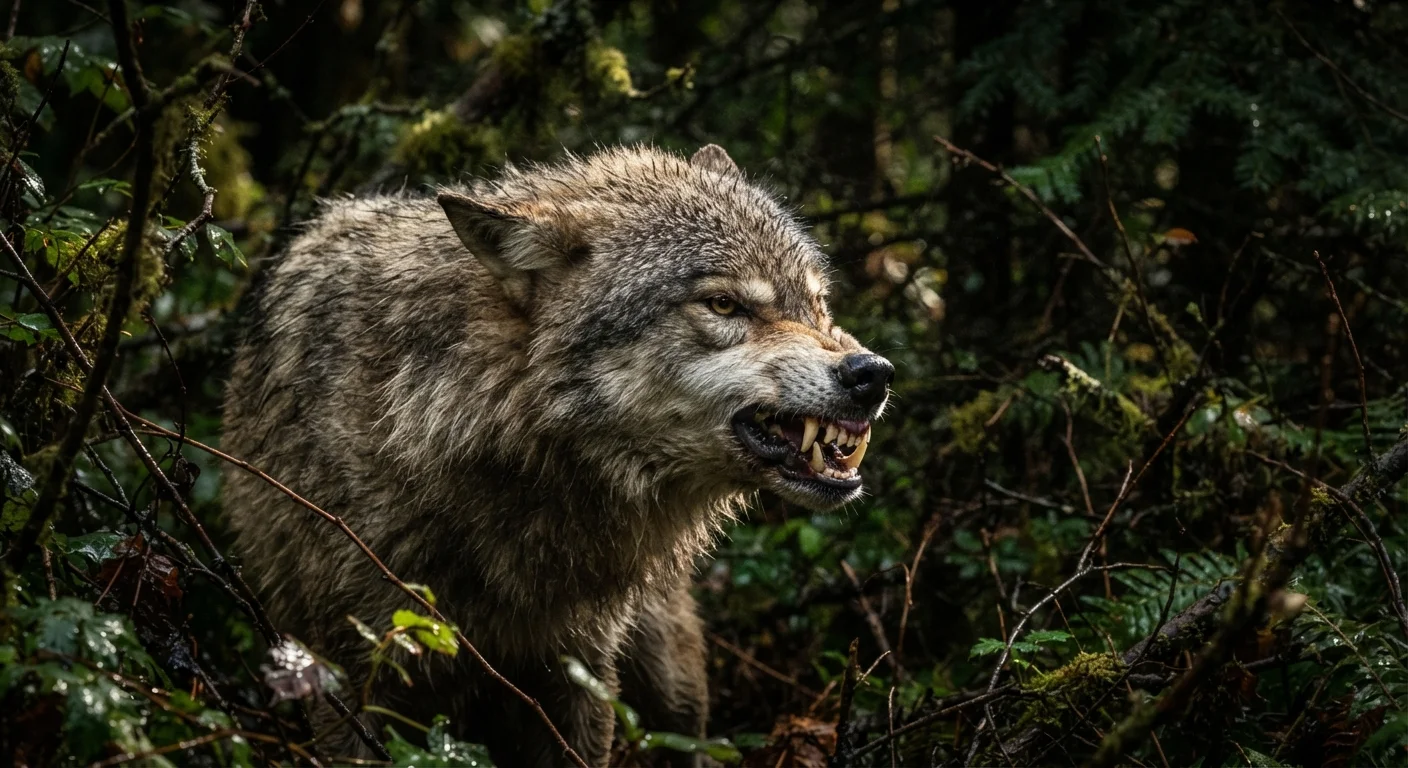
Wolf packs are ruled by a dominant alpha male who controls all others through constant aggression.
Fact
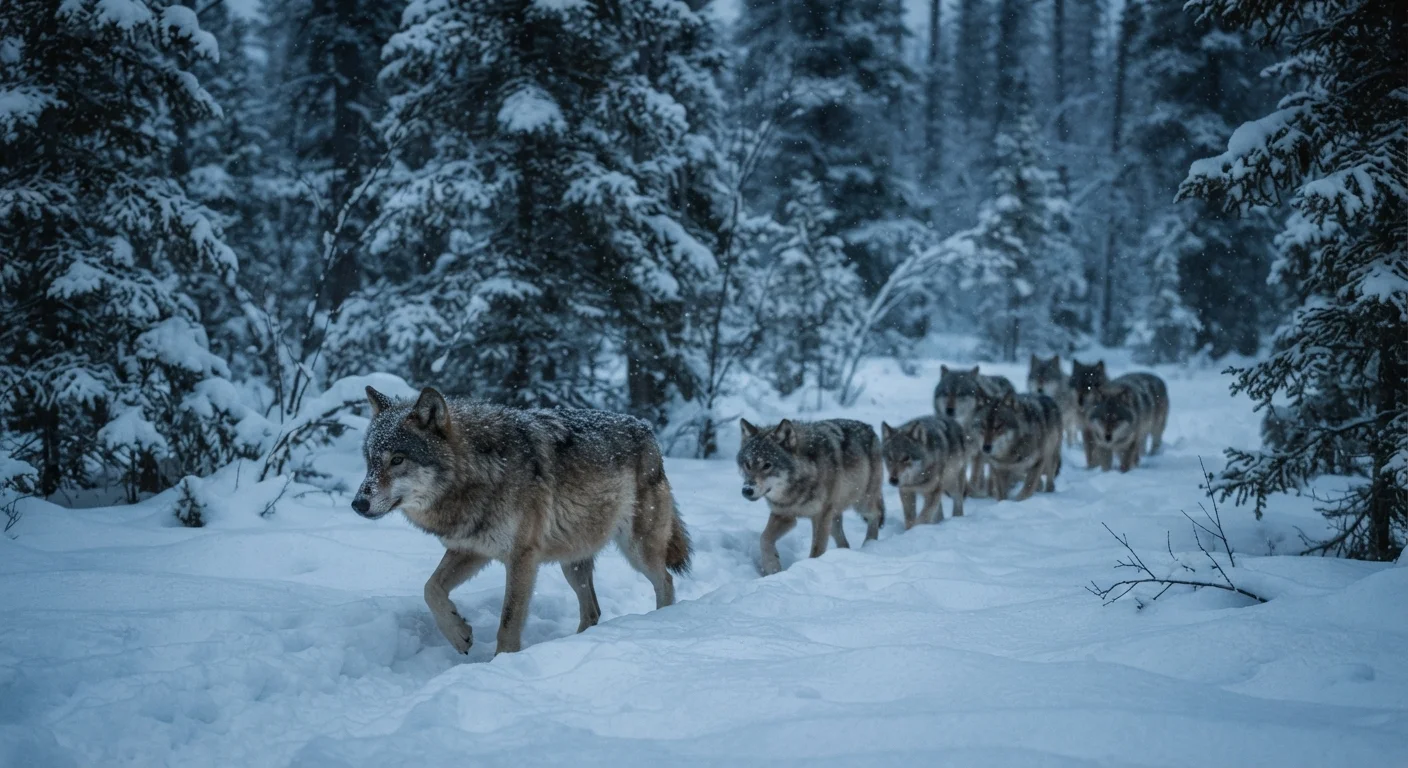
Wild wolf packs are family units led by a breeding pair; leadership is cooperative, not maintained through ongoing dominance displays.
The "alpha" framework originated from studies of unrelated captive wolves forced together - a social situation that does not reflect how wild packs naturally form. Field research on wild populations, including long-term studies in Yellowstone National Park, has shown that packs typically consist of a mated pair and their offspring from multiple seasons. Decision-making is distributed, and younger wolves defer to experienced adults as they would to parents. Biologist L. David Mech, whose early work contributed to the alpha concept, has since published extensively clarifying that the terminology is misleading when applied to wild wolves. Social structure across species varies enormously based on ecological pressures, and wolves exemplify cooperative family living rather than dominance hierarchies.
Myth
Hyenas are cowardly scavengers that survive primarily by stealing kills from lions.
Fact
Spotted hyenas are apex hunters whose clans kill the majority of their own food; lions frequently scavenge hyena kills, not the reverse.
Landmark field studies in the Serengeti and Ngorongoro Crater - including work by ethologist Hans Kruuk in the 1970s - documented that spotted hyenas kill a substantial portion of their diet independently, and that lions, which have lower hunting success rates than hyenas, often displace hyena clans from their own kills. The scavenger stereotype persists partly because hyenas are active at night, making their hunts less visible to human observers, and partly because their feeding behaviour around carcasses is highly conspicuous. Spotted hyena clans also demonstrate remarkable social intelligence, including the ability to recognise individual voices and adjust behaviour based on numerical odds during encounters with rival groups.
Myth
Predators destabilise ecosystems by depleting prey populations.
Fact
Predators regulate prey populations and trigger cascading ecological effects that often increase overall biodiversity.
The reintroduction of wolves to Yellowstone National Park in 1995 provided a well-documented illustration of what ecologists call a trophic cascade. With wolves present, elk altered their grazing behaviour and avoided riverbanks, allowing riparian vegetation to recover. This, in turn, stabilised stream banks, changed river morphology, and benefited species ranging from beavers to songbirds. Predators create what researchers describe as a "landscape of fear" - spatial and behavioural effects on prey that distribute grazing pressure across the landscape. Removing apex predators typically leads to prey overabundance, vegetation collapse, and reduced species diversity. Their presence, not their absence, supports ecosystem function.
What the Evidence Tells Us
Field research across multiple decades consistently shows that predators behave according to ecological logic - energy budgets, social bonds, learned behaviour - not narrative villainy. Wolves, for instance, are governed far more by family cohesion than by dominance hierarchies. The influential concept of the rigid "alpha wolf" that seized the public imagination was drawn largely from studies of captive animals under artificial social stress; wild pack structure looks quite different. Similarly, shark encounters with humans are statistically rare. Global records compiled by researchers show that unprovoked incidents number in the dozens annually across the world's oceans - a remarkably low figure given how many millions of people enter the water each year.
~70
Unprovoked shark incidents globally per year
The Florida Museum's International Shark Attack File records an average of roughly 70 unprovoked incidents annually worldwide - a low figure relative to ocean recreation participation.
~90%
Spotted hyena diet from active hunting
Field studies in East Africa, including Kruuk's Ngorongoro research, estimated spotted hyenas obtain the large majority of their diet through cooperative hunting rather than scavenging.
Hyenas offer perhaps the starkest contrast between reputation and reality. Spotted hyenas (Crocuta crocuta) live in female-dominated clans, communicate through sophisticated vocalisations, and collectively hunt prey as large as wildebeest. Research published in ethological journals has documented problem-solving abilities in hyenas that rival those of some primates. Their role as scavengers is real, but secondary to their identity as active, socially complex hunters. For a deeper look at how aggression is misread across species, explore our piece on misconceptions about animal aggression.
Don't Confuse Media Portrayals With Field Science
Wildlife documentaries and news coverage often select dramatic footage that over-represents conflict and predation. Even well-intentioned nature programming may condense or sensationalise animal behaviour for narrative effect. When forming views about a species' danger or character, prioritise peer-reviewed ethological research and reports from wildlife management agencies over entertainment media.
Understanding animal behaviour within its proper ecological and social context is essential - not just for conservation, but for appreciating the true complexity of life on Earth. The more we interrogate the cultural stories we inherit about predators, the more we can engage with the science that reveals them as they actually are. You can also explore how environmental pressures shape animal choices more broadly in our hub on animal behavior.