

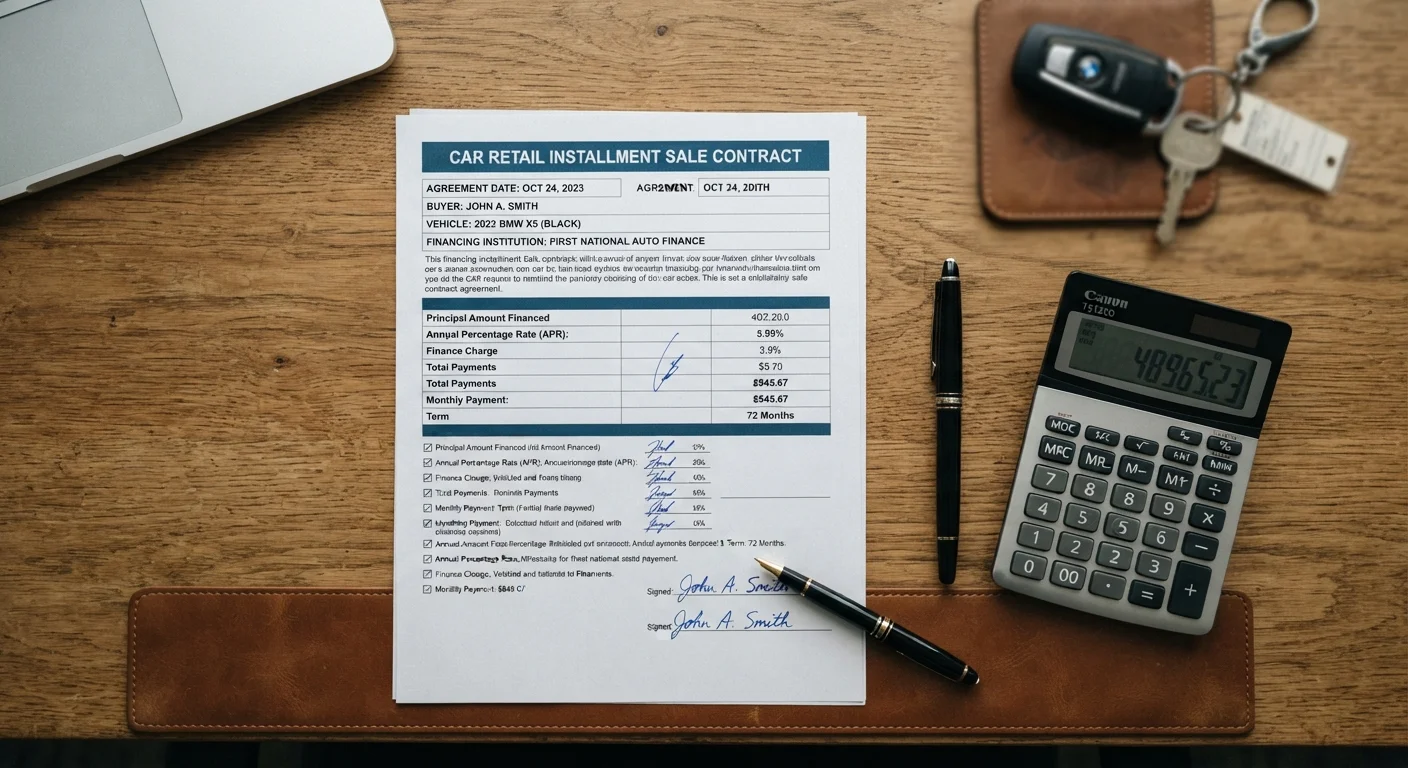
The Problem With Payment-First Thinking
When evaluating a vehicle purchase, the monthly payment is typically the first number a buyer sees - and often the last one they scrutinize. This is not accidental. Finance offers are routinely structured around a payment figure that appears manageable, while the variables that determine the true cost - loan term, interest rate, balloon payment, and total amount repayable - remain in the background.
The result is a common pattern: buyers make a significant financial commitment based on a figure that reveals very little about what the deal actually costs. Several widely held beliefs about car buying feed into this behaviour, reinforcing the idea that a comfortable monthly outgoing is the primary measure of a good deal.
Monthly Payments Can Disguise a Costly Deal
A dealer can make almost any vehicle appear affordable by extending the loan term - sometimes to 72 or 84 months. This lowers the monthly figure while significantly increasing the total interest paid. Always calculate the full repayment amount before agreeing to any finance arrangement.
Understanding what sits behind any monthly payment - and what it omits entirely - is the foundation of a sound vehicle purchasing decision.
Common Mistakes That Distort the Real Cost
The following errors regularly lead buyers to underestimate how much a vehicle will cost them, both at the point of purchase and throughout the ownership period.
Judging the entire deal by the monthly payment figure alone.
Why it happens: Monthly payments are the most visible number in any finance offer, making them an intuitive shortcut for assessing affordability. Dealerships often anchor negotiations around this figure precisely because it keeps attention away from the total cost.
Accepting a longer loan term without understanding its effect on total interest.
Why it happens: A 72-month or 84-month loan lowers the monthly payment and feels easier to manage, so many buyers accept extended terms without running the numbers on cumulative interest.
Ignoring depreciation as part of the true ownership cost.
Why it happens: Depreciation is invisible on a monthly statement - it happens silently as the vehicle's market value falls, so buyers rarely factor it into their purchase assessment.
Overlooking total running costs such as insurance, fuel, and scheduled maintenance.
Why it happens: Buyers focus on the purchase transaction and treat ongoing costs as a separate concern to be figured out later. This leads to a vehicle that fits the finance payment but strains the overall budget.
Comparing finance offers that have different loan terms as if they were equivalent.
Why it happens: Two deals may have similar monthly payments but very different term lengths, interest rates, or balloon payments, making a straightforward comparison feel valid when it is not.
Lease arrangements introduce their own considerations: mileage caps, wear-and-tear clauses, and end-of-term fees can significantly affect the total outlay. Understanding how a car lease actually works before focusing on the monthly figure is equally important in that context.
What to Calculate Instead
A more reliable approach starts with three numbers rather than one:
- Total amount repayable: Every loan agreement must disclose this figure. It reflects the actual financial commitment, not a monthly abstraction.
- Annual percentage rate (APR): The APR standardises the cost of borrowing across different loan structures, making direct comparison possible.
- Total cost of ownership over the intended period: This includes finance charges, depreciation, insurance, fuel, and servicing. Weighing the long-term picture of financing versus outright purchase can bring additional clarity here.
84 months
Maximum common consumer auto loan term
Loan terms of up to 84 months (seven years) are available in several European markets, substantially increasing total interest paid compared to a 48-month arrangement at the same rate.
~20%
Typical first-year new car depreciation
Many new vehicles lose roughly 15-25% of their value in the first year of ownership, a cost that does not appear on any monthly finance statement but directly affects total outlay.
Shifting from payment-first to cost-first thinking takes modest effort but produces a substantially clearer view of what any deal will actually require - financially and practically - over the years you own the vehicle.
This article provides general financial and automotive information for educational purposes. It does not constitute personalised financial or legal advice. For decisions about your own circumstances, consult a qualified financial adviser or other appropriate professional.