

Depreciation: The Most Consequential Difference
Depreciation is where new and used vehicles diverge most sharply. A new car's market value typically falls by roughly 15-25% in its first year alone, according to general automotive valuation principles - not because the car has become less functional, but because it is no longer new. By year three, cumulative depreciation commonly reaches 40-50% of the original purchase price.
When you buy a used car, someone else has absorbed that initial loss. You purchase the vehicle at a price that already reflects real-world depreciation, which often represents the single largest financial advantage of the used market.
That said, depreciation curves vary meaningfully by vehicle segment, popularity, and condition. Understanding the full cost picture beyond the purchase price is essential before drawing conclusions from sticker prices alone.
| Criterion | New Car | Used Car |
|---|---|---|
| Purchase price | Higher | Lower (depreciation absorbed) |
| First-year depreciation | Steep (15-25% typical) | Much slower past year 2-3 |
| Manufacturer warranty | Full factory coverage | None (unless CPO) |
| Financing interest rate | Often lower | Often higher |
| Vehicle history | None - zero prior use | Unknown without inspection |
| Latest safety technology | Current-generation systems | Depends on model year |
| Insurance flexibility | Comprehensive typically required | More flexibility possible |
Warranty, Reliability, and the Risk Equation
New cars come with manufacturer warranties - typically covering defects in materials and workmanship for a defined period or mileage threshold. These warranties reduce financial exposure during a vehicle's early life and are transferable to subsequent owners in many cases, adding some residual value.
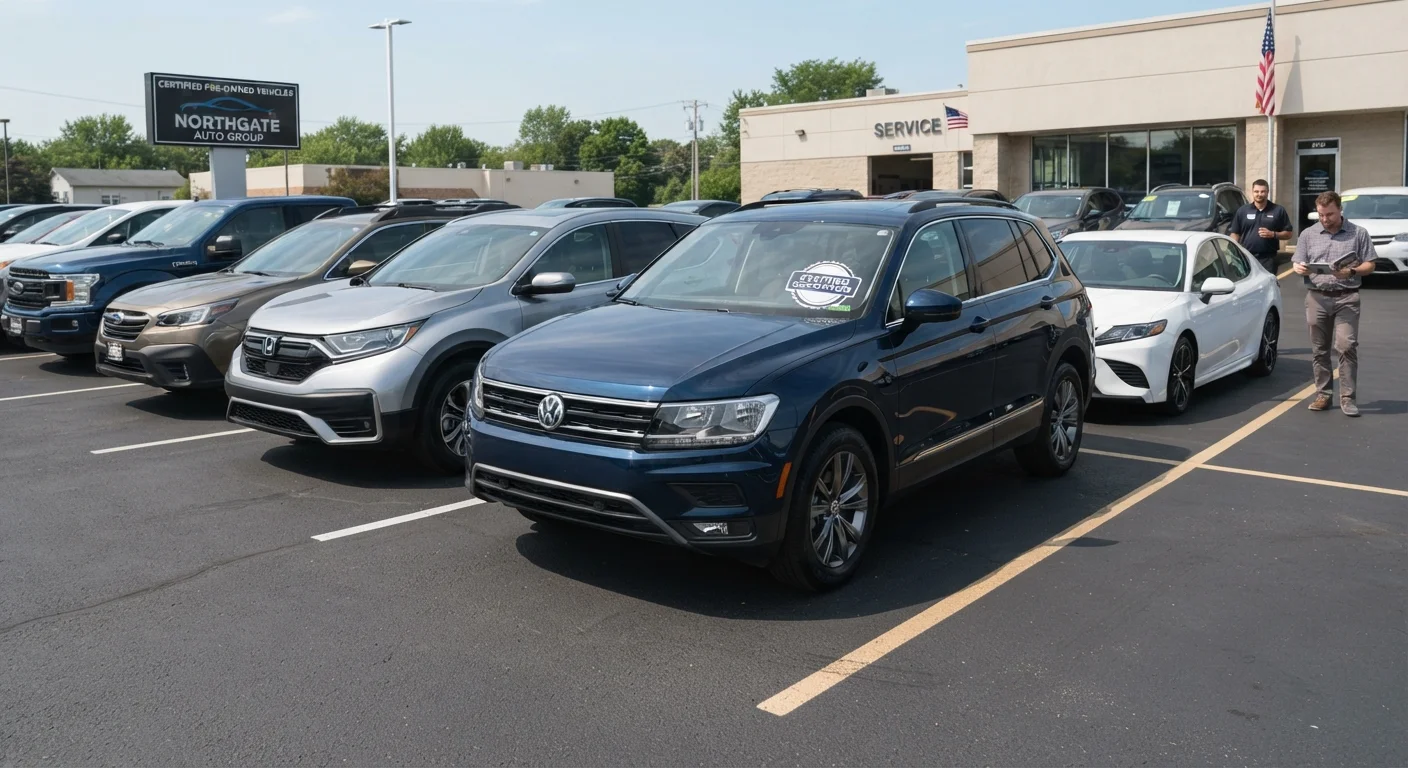
Used cars, unless covered by a certified pre-owned (CPO) programme, are generally sold without factory warranty protection. CPO programmes vary considerably in scope: some offer comprehensive multi-year coverage, others provide limited powertrain protection only. Reading the specific terms matters.
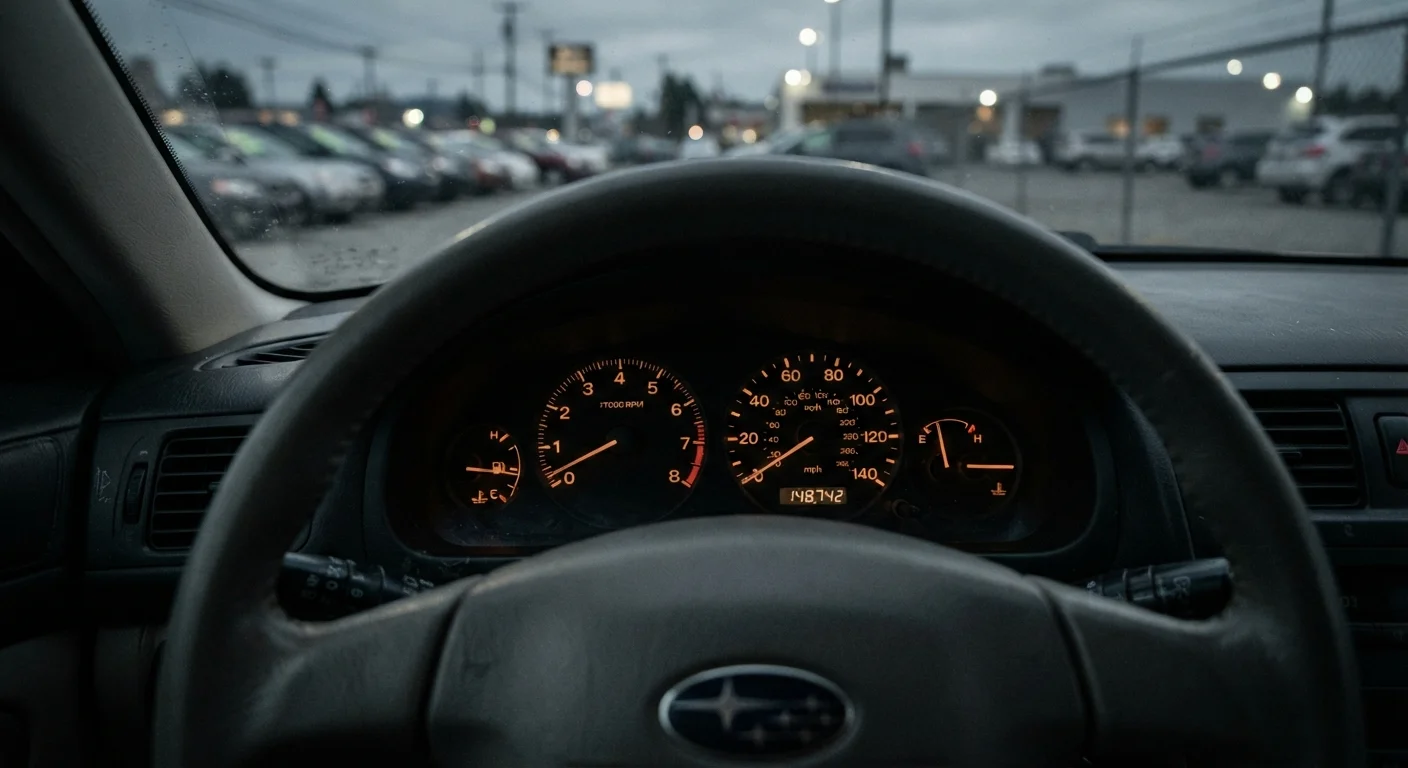
Reliability, meanwhile, is not simply a function of age. A well-maintained three-year-old vehicle may present lower ownership risk than a new model with an unproven powertrain. Vehicle history reports and independent mechanical inspections are practical tools for reducing uncertainty. As our guide on what the odometer doesn't reveal explains, mileage alone is a poor proxy for overall condition.
What a Certified Pre-Owned Label Means
CPO vehicles are used cars that have passed a manufacturer-defined inspection process and typically come with a limited warranty extension. The scope varies: some programmes cover the whole vehicle, others only the powertrain. Always read the specific warranty document rather than relying on the label alone. CPO pricing sits between standard used and new, reflecting the added assurance.
Financing, Insurance, and the Ongoing Cost Picture
Financing terms frequently differ between new and used purchases. Lenders and manufacturers often offer lower annual percentage rates (APR) on new vehicles, partly because the collateral - a new car - is considered lower risk. Used vehicle loans tend to carry higher interest rates, which can partially erode the savings from a lower purchase price.
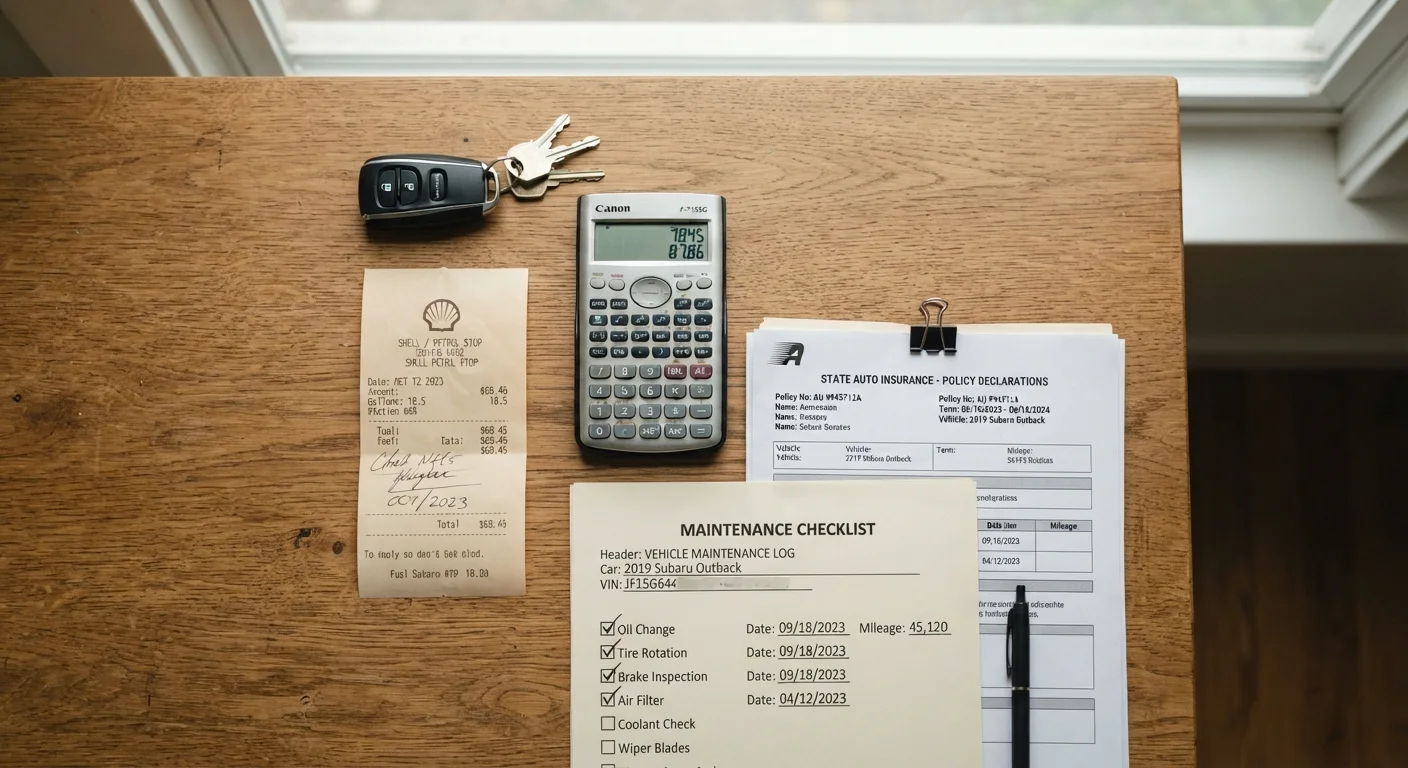
Insurance costs also shift between the two options. New vehicles typically require comprehensive and collision coverage, particularly if financed. Used cars, especially older models with lower market values, may allow for more flexible coverage decisions - though this depends on individual circumstances and policy terms.
Registration fees and vehicle taxes in Germany are calculated partly on engine displacement, emissions classification, and date of first registration. This means a used vehicle registered before a stricter emissions class took effect may face different tax treatment than a new equivalent. Consulting the relevant Kraftfahrzeugsteuer (vehicle tax) schedules helps clarify this for specific vehicles.
For a broader view of how purchase method affects long-term costs, the comparison between buying and leasing adds another useful dimension to this decision.
15-25%
Typical new car value loss in year one
General automotive valuation principles consistently show the steepest depreciation occurs in a new vehicle's first 12 months of registration.
~40-50%
Cumulative depreciation by year three
By the third year of ownership, many vehicles have lost nearly half their original market value, a key reason used cars offer lower entry prices.
Making a Decision That Fits Your Situation
Neither option is universally superior. The right choice depends on your budget, how long you plan to own the vehicle, your tolerance for mechanical uncertainty, and which features matter most to you. A new car offers predictability and the latest technology at the cost of immediate depreciation. A used car offers value and variety at the cost of an incomplete history.
Before committing, consider where and how you'll buy. The trade-offs differ meaningfully depending on whether you purchase through a dealer or a private individual - a distinction explored in detail in our guide on private seller versus dealership differences. And if you are still weighing your broader options, key questions to ask before any vehicle purchase can help structure your thinking before you sign anything.
This article provides general educational information about vehicle purchasing considerations and does not constitute financial or legal advice. Costs, regulations, and financing terms vary by individual circumstance and change over time. Consult qualified professionals for decisions specific to your situation.