
Why the First Year Is the Highest-Risk Period
German driving schools are rigorous, but no amount of lessons fully replicates the pressure of driving alone. Research from the GDV (German Insurance Association) consistently shows that newly licensed drivers are significantly overrepresented in accident statistics relative to their share of road use. The reasons are largely predictable: limited experience in edge-case situations, incomplete automation of hazard perception, and - in some cases - overconfidence after passing the test.
Germany's probationary licence (Probezeit) lasts two years. During this time, any serious infringement can trigger mandatory re-education courses, extend the probationary period, or result in licence revocation. Understanding the most common mistakes helps new drivers avoid consequences that go well beyond a fine. For broader context on managing your vehicle during this period, see the Car Ownership hub.
The Most Frequent Mistakes - and How to Avoid Them
The errors below are drawn from patterns documented by German road safety organisations, insurance data, and driving instruction literature. Each one is avoidable with the right awareness.
Misapplying the 'right before left' rule at unmarked intersections.
Why it happens: The rule is learned in theory but can be difficult to apply quickly under real traffic pressure, especially when multiple vehicles arrive simultaneously or sightlines are partially blocked.
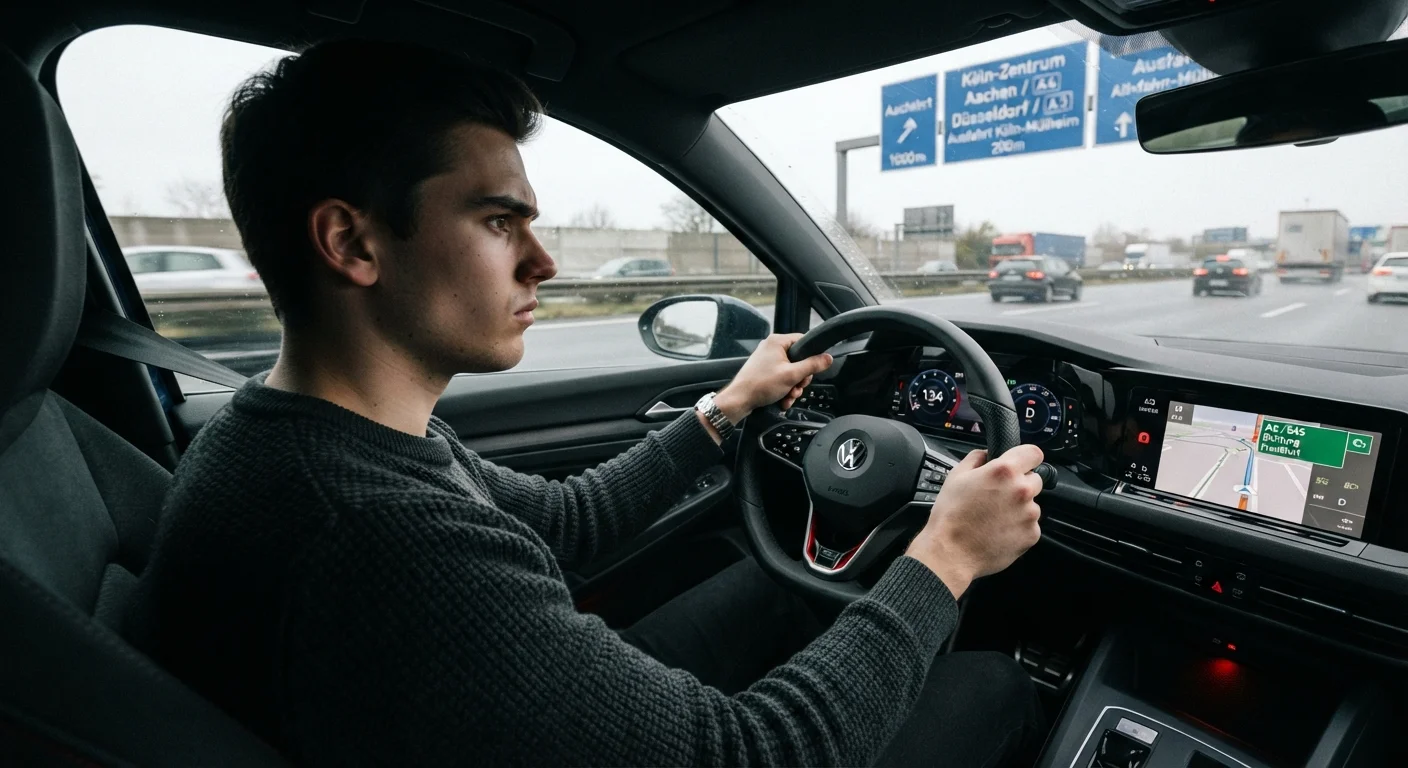
Following the vehicle ahead too closely, particularly at motorway speeds.
Why it happens: New drivers often calibrate following distance visually rather than by time or distance, and tend to underestimate how much space braking requires at higher speeds.
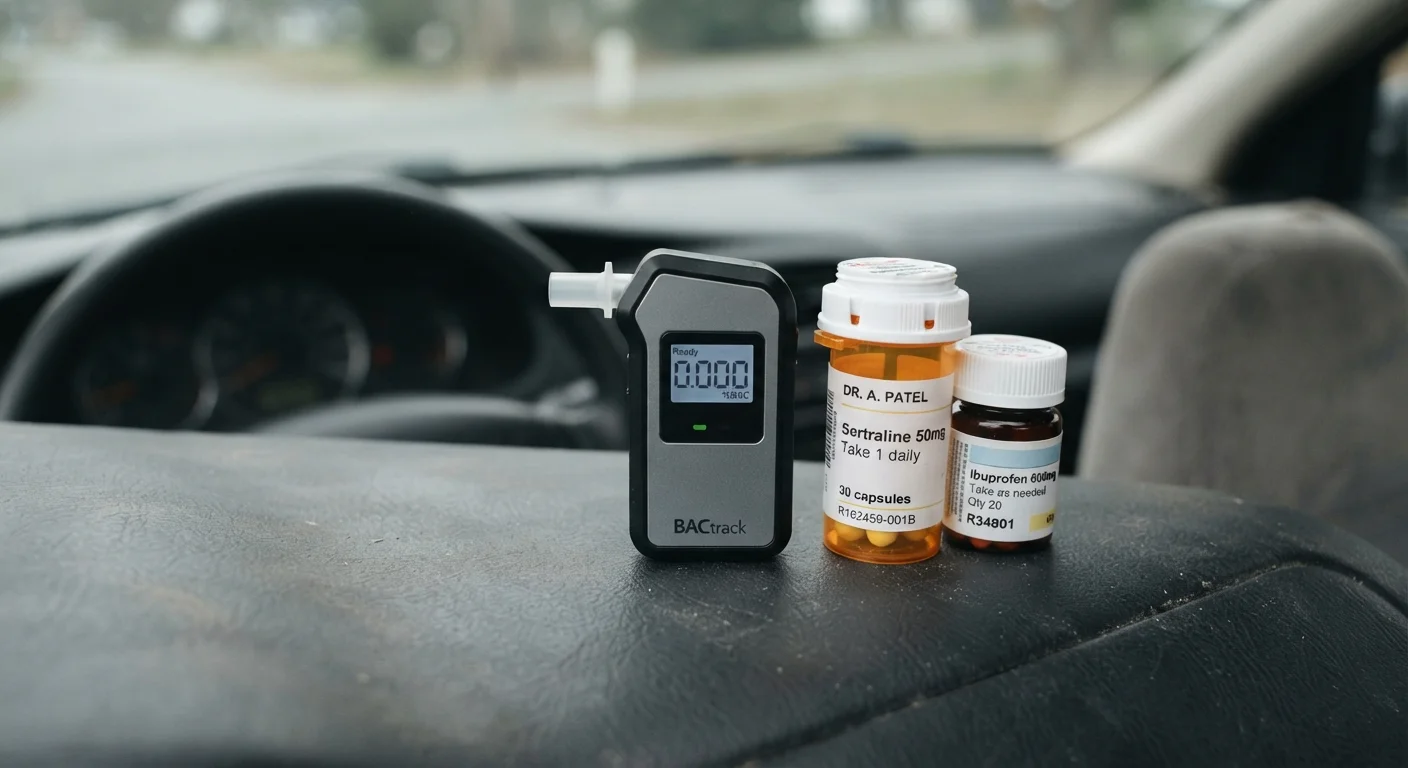
Driving under the influence of even small amounts of alcohol during the probationary period.
Why it happens: New drivers may not fully internalise that Germany's zero-tolerance rule (0.0 ‰ BAK) applies to them specifically - unlike the 0.5 ‰ general limit for experienced drivers.
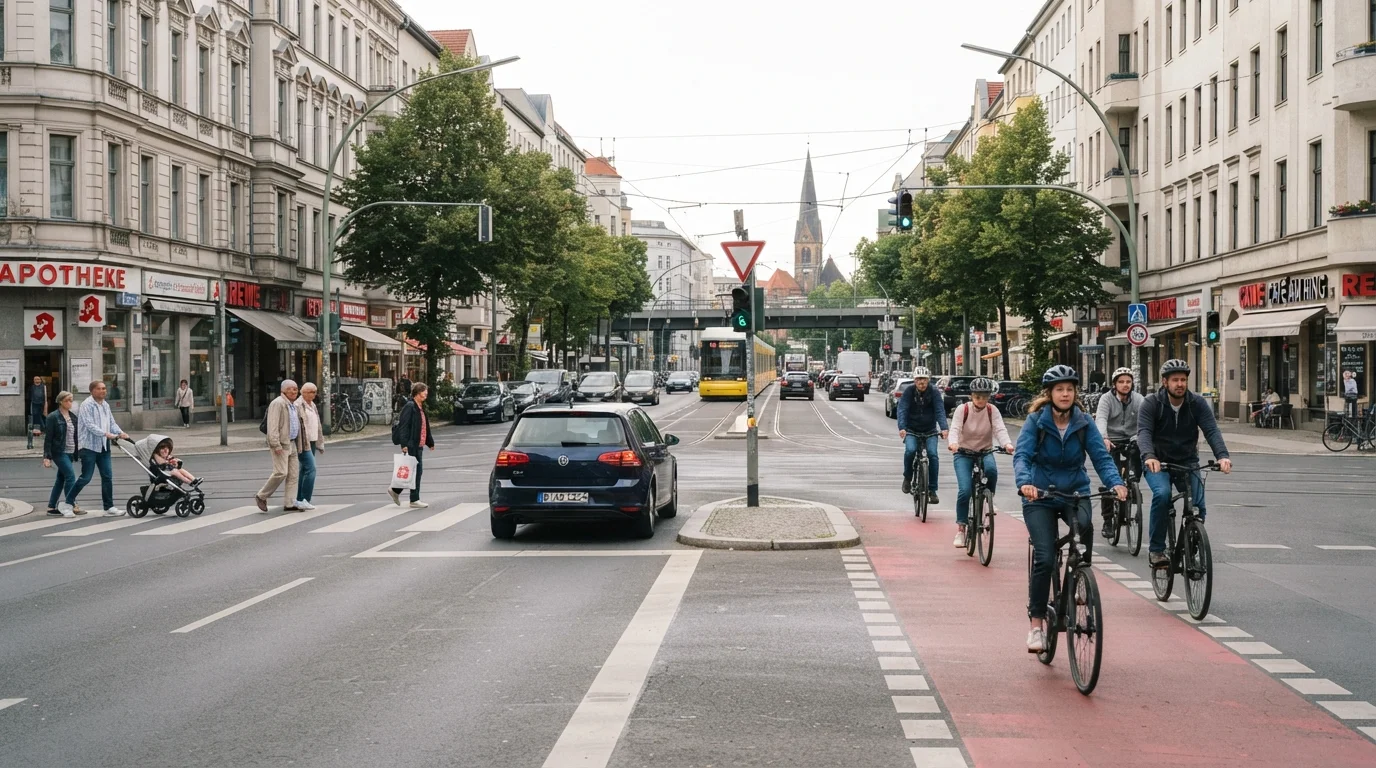
Failing to yield to cyclists when turning right at junctions.
Why it happens: Attention is often directed at oncoming vehicle traffic, causing cyclists in the adjacent cycle lane - who have priority - to go unnoticed until the last moment.
Underestimating the speed of vehicles on unrestricted Autobahn sections.
Why it happens: Drivers accustomed to town speeds can misjudge how quickly faster vehicles close the gap when merging or changing lanes on sections without a posted speed limit.
For a detailed look at how Germany's zero-tolerance alcohol rule applies to probationary drivers - and how certain medications also affect legal fitness to drive - see Germany's legal limits on alcohol and medication for drivers.
Sharing the Road: A Particular Blind Spot
New drivers often focus their attention on other cars and underestimate the complexity of sharing space with cyclists and pedestrians - both of whom have strong legal protections under the StVO (German Road Traffic Act). Turning across a cycle lane without yielding, or stopping in a pedestrian crossing box, are errors that carry real consequences and contribute to serious injuries.
Motorway Breakdowns Require Immediate Action
A breakdown on the Autobahn is one of the most dangerous situations a new driver can face. The legal and safety requirements - hazard lights on, pull to the hard shoulder, deploy a warning triangle - must be executed quickly and correctly. Mishandling a motorway breakdown is a common source of secondary accidents. Review what the law requires during a motorway breakdown before you need it.
The rules governing shared road users are more nuanced than many new drivers realise. Our guide to cyclists, pedestrians, and drivers in German traffic law covers priority rules, cycle path obligations, and common misunderstandings in detail.
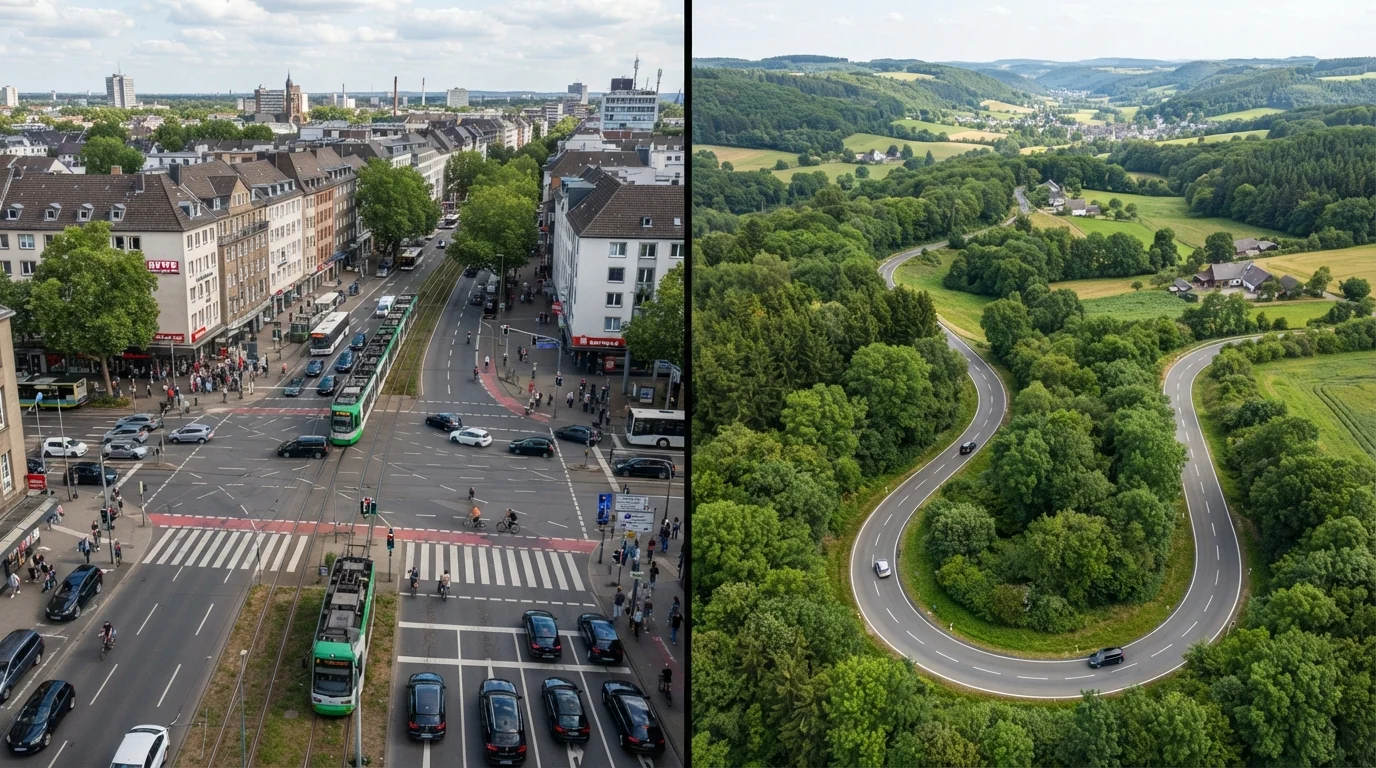
Urban and rural driving also demand different skills and awareness. If you are transitioning between environments, city versus rural driving differences in Germany outlines the key contrasts in speed rules, road markings, and hazard patterns.