
What Credit Reports and Credit Scores Actually Are
Before exploring how debt shapes these tools, it helps to understand what each one is. To get a foundation on how debt itself works, see our plain-language guide to how debt functions.
Credit bureau
An organisation that collects and maintains records of individuals' borrowing and repayment behaviour, then supplies this information to lenders in the form of credit reports.
Credit utilisation
The proportion of your available revolving credit limit that you are currently using. A lower percentage is generally better for your credit score.
Hard enquiry
A check on your credit report triggered by a lender when you apply for new credit. Multiple hard enquiries in a short period can cause a minor, temporary dip in your score.
Payment history
The record of whether you have paid your debts on time. It is the single largest factor in most credit scoring models.
Revolving credit
A type of credit account - like a credit card - where you can borrow up to a set limit, repay it, and borrow again. The balance changes each month.
Instalment debt
A loan repaid in fixed, regular payments over a set period, such as a personal loan or mortgage. The original amount and term are agreed at the start.
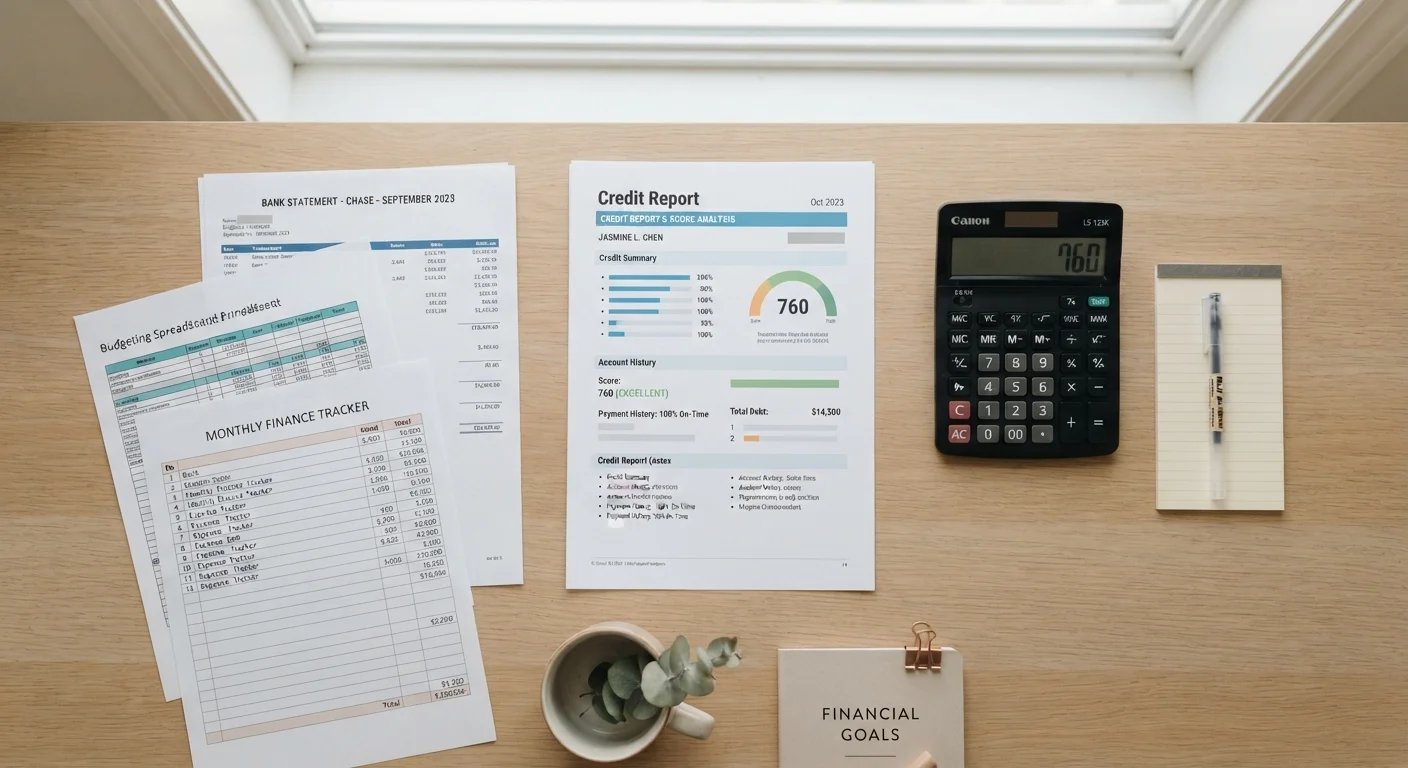
A credit report is a detailed record compiled by a credit bureau - sometimes called a credit reference agency - that documents your history with borrowed money. It lists open and closed accounts, outstanding balances, payment behaviour, credit applications, and in some countries, public records like court judgments.
A credit score is a numerical value - typically ranging from 300 to 850 in many scoring models, though bureaus use different scales - calculated automatically from the data in your report. Lenders use it as a quick signal of how reliably you have managed credit obligations in the past.
These are two distinct things. Your report is the raw data; your score is one interpretation of that data. Different lenders may even use different scoring models, which is why your score can appear to vary slightly depending on where you check it.
This article is for general informational purposes only and does not constitute personalised financial or credit advice. Consult a qualified financial adviser for guidance on your specific situation.How Debt Shows Up on Your Credit Report
Every credit account you open - a credit card, a personal loan, a car finance agreement, a mortgage - is typically reported to one or more credit bureaus by your lender. This reporting creates the entries your report is built from.
Each entry usually includes the type of account, the date it was opened, your credit limit or original loan amount, your current balance, and a record of whether payments were made on time. Understanding the structural difference between revolving credit and instalment debt matters here, because the two types appear and behave differently on your report.
- Revolving accounts (like credit cards) show a fluctuating balance relative to a limit.
- Instalment accounts (like personal loans) show a fixed original amount being paid down over time.
Both types of debt contribute to your credit history and, handled consistently, can work in your favour over time.
Check All Three Major Bureaus
In many countries, multiple credit bureaus operate independently, and not every lender reports to all of them. Your credit report at one bureau may differ from another. Checking reports from each bureau periodically gives you the most complete picture of how your debt history is being recorded.
Credit Utilisation: The Debt Factor That Moves Scores Most
Credit utilisation refers to the percentage of your available revolving credit that you are currently using. If your credit card limit is €2,000 and your balance is €600, your utilisation on that card is 30%. Scoring models typically assess this both per card and across all revolving accounts combined.
High utilisation - generally above 30-40% of your limit - is associated with lower credit scores in most scoring models. This does not mean carrying any balance is inherently damaging, but a consistently high ratio signals to lenders that you may be heavily reliant on credit.
Paying down revolving balances is one of the faster ways to see score improvement, precisely because utilisation is recalculated each time lenders report your updated balance - often monthly. It is worth noting that secured and unsecured debt carry different risk profiles for lenders, which can subtly influence how accounts are treated in overall credit assessments.
Payment History and What Missed Payments Cost You
Across most credit scoring models, payment history carries the greatest single weight - often representing approximately 35% of a score in widely used frameworks. This is simply your track record of paying debts on time.
A single missed or late payment can cause a meaningful score drop, particularly if your score was previously strong and your history was clean. The impact tends to fade gradually over time, provided payments resume and remain consistent. For a full walkthrough of what can happen when payments stop altogether, see our article on what happens to debt when you stop paying.
Minimum Payments Are Not a Safety Net
Paying only the minimum amount due on a credit card keeps the account current and protects your payment history, but it does not stop interest from building on the remaining balance. Over time, paying minimums only on high-balance accounts can significantly increase the total cost of your debt and keep utilisation high.
Maintaining even the minimum required payment keeps an account in good standing, though paying only the minimum on revolving debt means interest accumulates and balances can grow. The goal, where affordable, is consistent on-time payment - ideally in full on revolving accounts.
Reading the Bigger Picture
Debt and credit scores are not adversaries. The credit system is, at its core, designed to measure how reliably someone handles the debt they take on - not whether they avoid it entirely. Lenders generally want to see a history of borrowing and repaying responsibly, which means having no credit history at all can sometimes present its own challenges.
Other factors beyond utilisation and payment history also influence scores: the age of your accounts, the mix of credit types you hold, and the number of recent applications for new credit. These are smaller levers, but they matter over the long term.
Your debt-to-income ratio - a separate measure not reflected in your credit score - is another figure lenders use when evaluating applications. Keeping an eye on your broader financial picture, including how budgeting strategies support your ability to repay, gives you the most complete view of your credit health.
Reviewing your credit report regularly - most bureaus allow at least one free report annually - is a practical habit. Errors do occur, and an inaccurate entry can suppress your score without any fault on your part. Disputing and correcting such errors is your right.