
The Core Process: What Microorganisms Actually Do
When sugar meets the right microorganism under the right conditions, fermentation begins. The microorganism - yeast, bacteria, or a combination - consumes the available sugars and releases byproducts as part of its normal metabolism. In a drink, this is not a slow degradation but an active biological transformation.
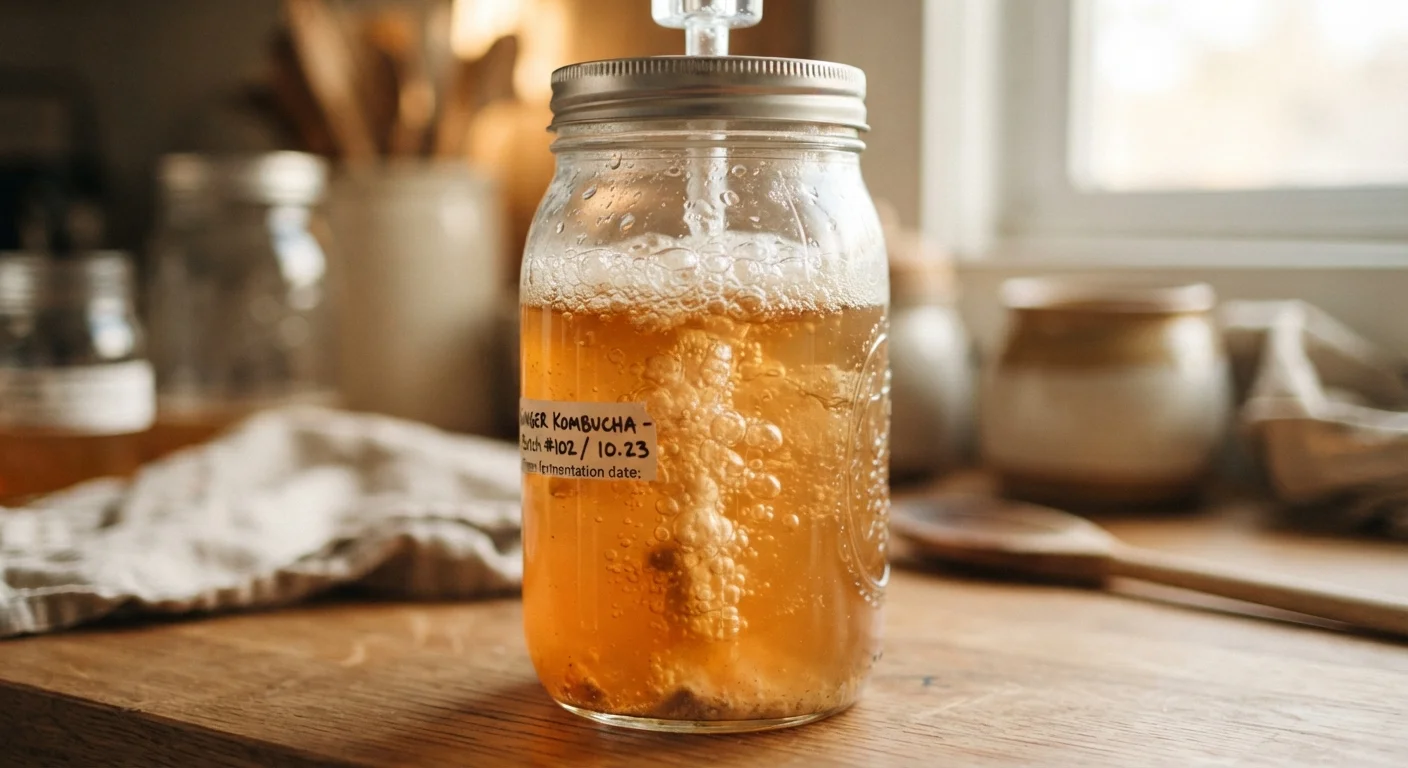
Yeast - most commonly Saccharomyces cerevisiae in brewing - converts glucose and fructose into ethanol and carbon dioxide. The CO₂ either escapes into the air (in open fermentation) or remains dissolved, creating carbonation. The alcohol accumulates in the liquid. This is how beer, wine, cider, and spirits begin their journey.
Bacteria follow a different pathway. Lactic acid bacteria (LAB), present in drinks like kefir and naturally soured beverages, convert sugars into lactic acid rather than alcohol. This acid lowers the pH of the drink, creating tartness and acting as a natural preservative by making the environment inhospitable to harmful microbes.
“Fermentation is one of the oldest biotechnologies known to humankind - a process by which living organisms transform raw materials into something entirely new, and in doing so, have shaped civilisations.”
— Harold McGee, Food science writer and author of 'On Food and Cooking'
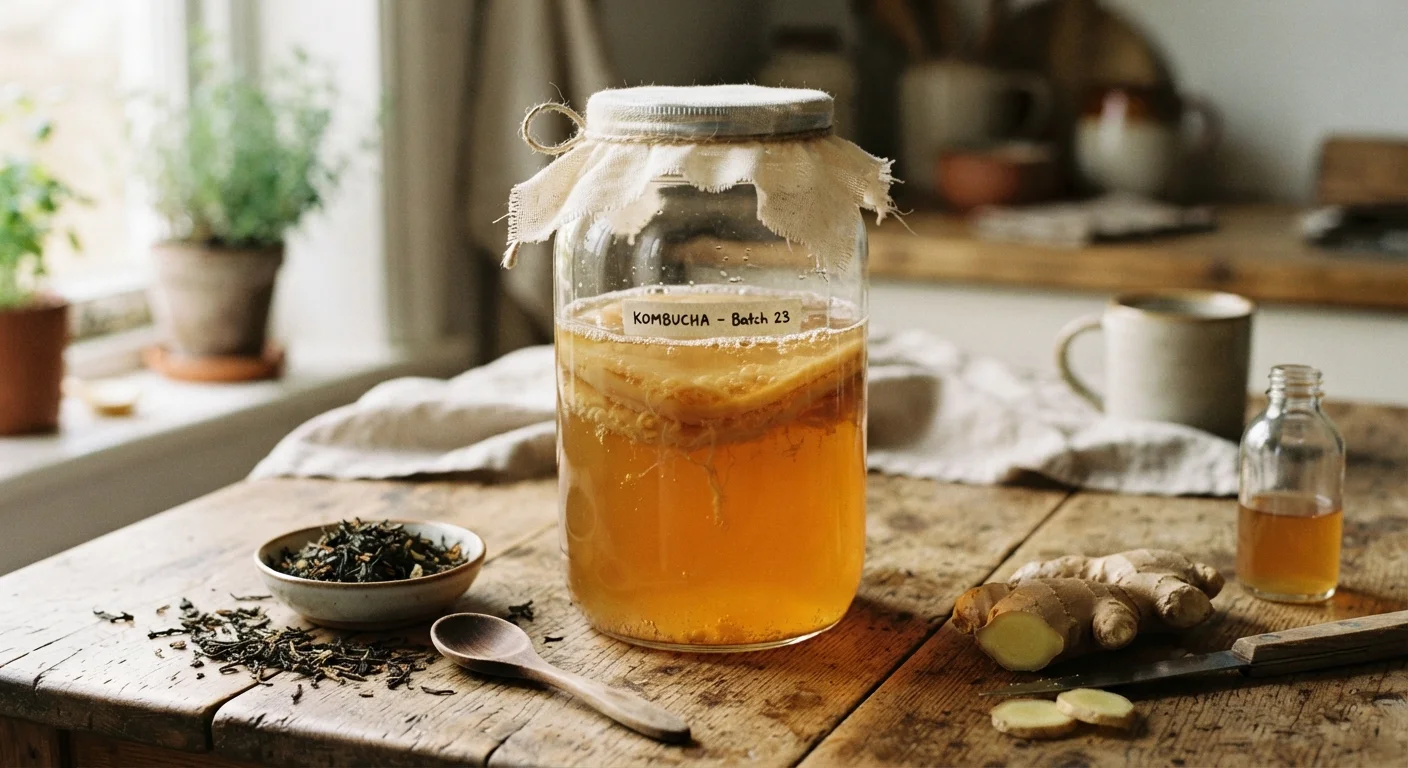
Some fermented drinks involve both microbial communities working together. Kombucha, for instance, relies on a SCOBY - a symbiotic culture of bacteria and yeast - which simultaneously produces small amounts of alcohol, acetic acid, and CO₂. You can explore the cultural history behind this process in our article on kombucha's origins and its SCOBY culture.
Why the Starting Ingredients Shape the Final Drink
The sugar source matters enormously. Grapes provide glucose and fructose and ferment into wine. Malted barley supplies maltose and becomes beer. Rice, broken down by mould enzymes before yeast even begins, becomes sake - a process distinct enough that sake is neither wine nor beer in the conventional sense. Our explainer on understanding sake from grain to glass covers that distinction in detail.
The mineral composition of the water used also has a measurable effect on fermentation and flavour. Hardness, pH, and trace minerals influence microbial activity and the chemical reactions that shape a drink's final character - a topic explored further in our piece on how brewing water quality affects taste.
~10,000
Years humans have used fermentation
Archaeological evidence suggests intentional fermentation of beverages dates back at least 10,000 years, predating written language in many cultures.
0.5% ABV
Typical threshold for 'non-alcoholic' classification
In many regulatory frameworks, a drink containing less than 0.5% alcohol by volume may be labelled non-alcoholic - a level that can result naturally from minor fermentation.
3-12%
Typical alcohol range in fermented beverages
Most naturally fermented drinks fall within this range before any distillation occurs; distillation concentrates alcohol further, producing spirits above 20% ABV.
The environment - temperature, oxygen availability, and the presence of wild versus cultivated microorganisms - steers which flavour compounds emerge. Higher fermentation temperatures tend to produce more esters (fruity notes); cooler temperatures favour cleaner, crisper profiles. This is why a Belgian ale and a German lager taste so different even when brewed from similar ingredients.
Fermentation Across Cultures: The Same Science, Different Traditions
Fermentation was not invented in one place. Independently, cultures across the globe discovered that leaving certain liquids or foods under the right conditions produced something more complex, more durable, and often more pleasurable than the raw ingredients alone. From African grain-based ferments to East Asian rice beverages to South American chicha made from maize, the underlying biochemistry is identical - only the ingredients and microorganisms differ.
Taste the Process Before Reading the Label
The next time you drink a fermented beverage, pay attention to three things: sourness (acid production), carbonation (CO₂ release), and any alcoholic warmth. These sensations map directly onto the biochemical steps happening at a microbial level. Understanding what you're tasting makes the science immediately tangible.
Our broader article on fermentation traditions around the world examines how these parallel discoveries reflect local ecology and cultural need. Similarly, many little-known regional fermented drinks have fascinating stories attached to them - our guide to drinks around the world most people have never encountered offers a compelling starting point.
What unites all these traditions is the principle that fermentation does not merely change a drink - it creates something new. The sugars that existed in the raw material are converted into compounds that did not exist before: acids, alcohols, esters, and gases that define aroma, mouthfeel, and preservation in equal measure.
Fermented Drinks and Health Claims
Some fermented beverages are associated with potential probiotic benefits due to the live cultures they contain. However, the health evidence for specific drinks varies considerably and is still an active area of research. General food and nutrition information is not a substitute for personal medical advice - consult a qualified healthcare professional if you have questions about diet and gut health.