Why Food Culture Preparation Matters
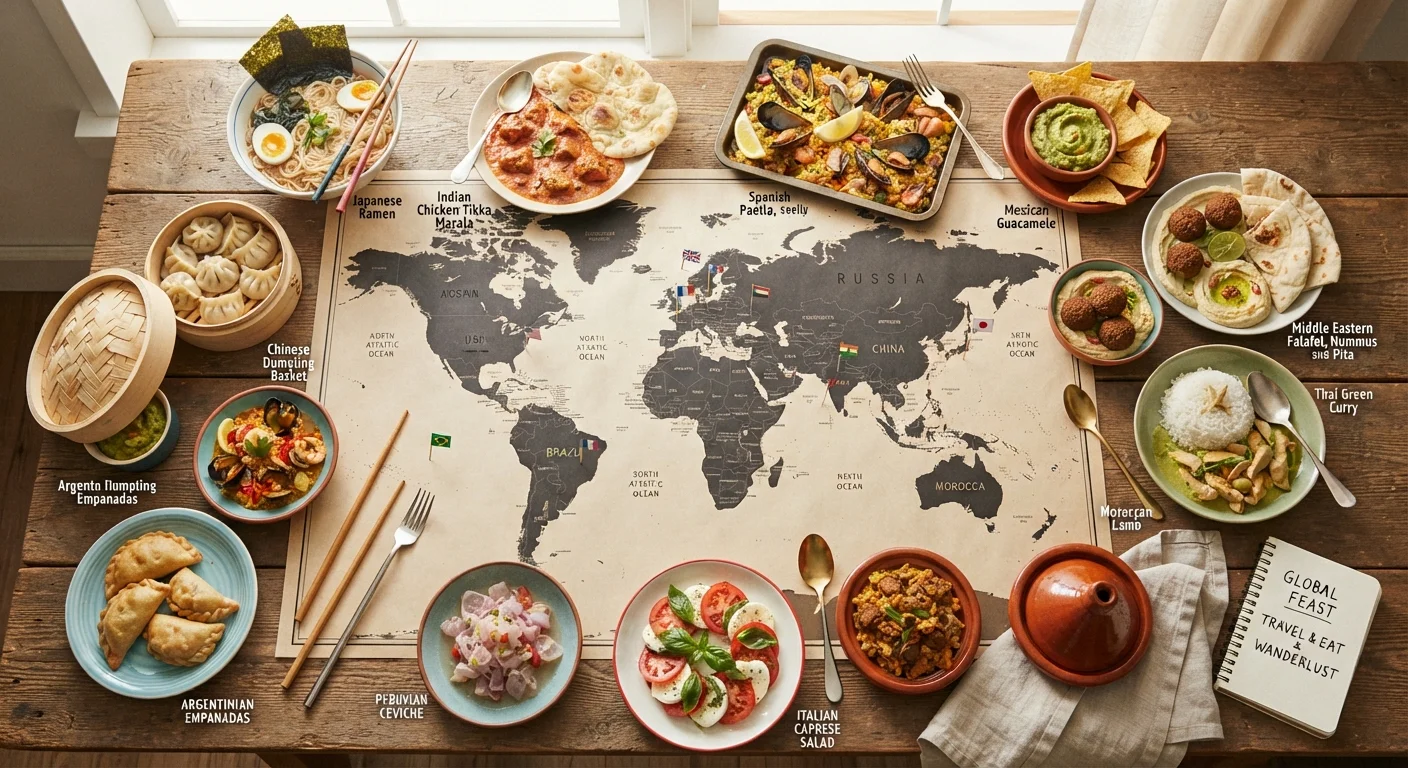
Arriving in a new country with no understanding of its food customs is a bit like turning up to a formal event underdressed - you can recover, but you'll wish you had done a little homework first. Food is one of the most intimate expressions of culture: it reflects history, religion, social hierarchy, and daily rhythm. What counts as polite, generous, or respectful at a table in one country can be neutral or even rude somewhere else.
This checklist is designed to help travelers orient themselves before departure. It covers the practical categories most likely to affect your experience: timing, etiquette, dietary considerations, payment norms, and how to read a local food environment. Work through these items as you research your destination, and you'll arrive more confident and more respectful of the food world you're stepping into.
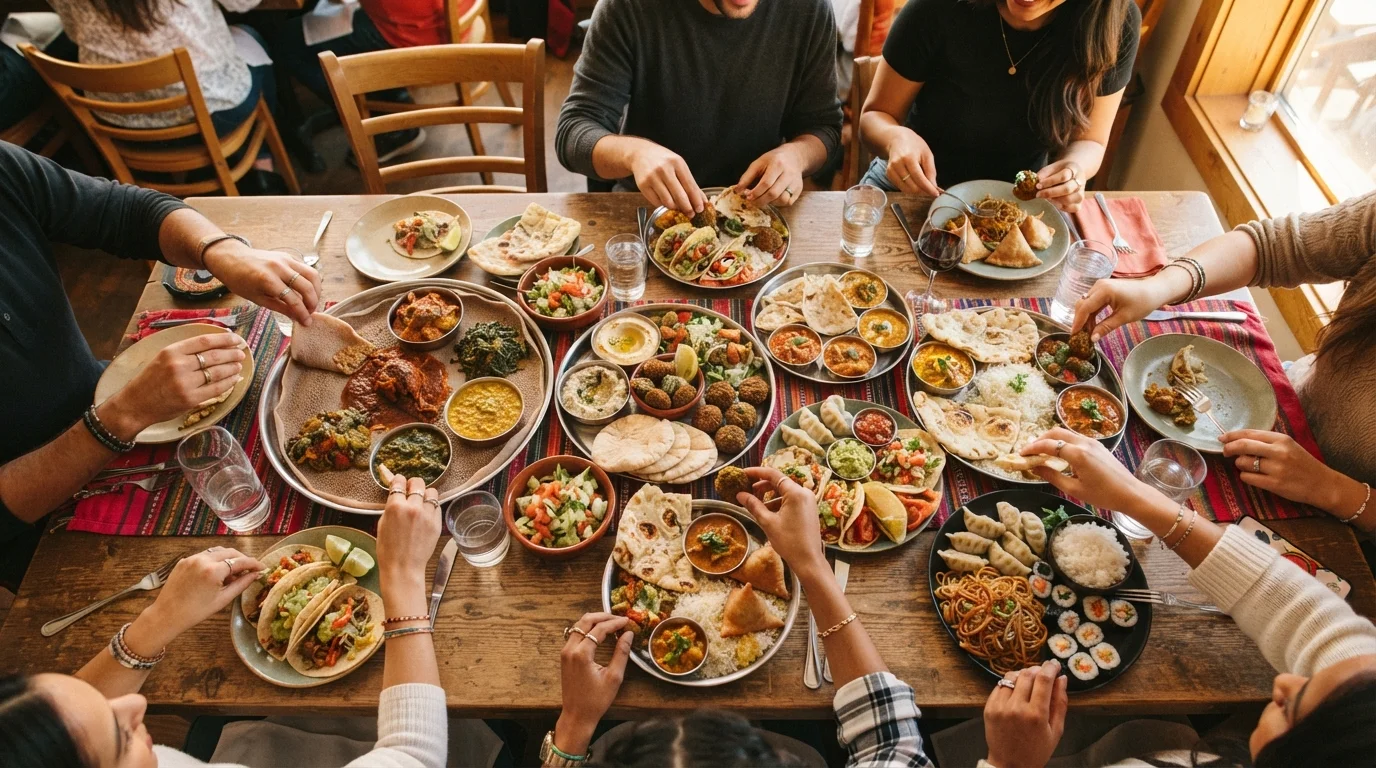
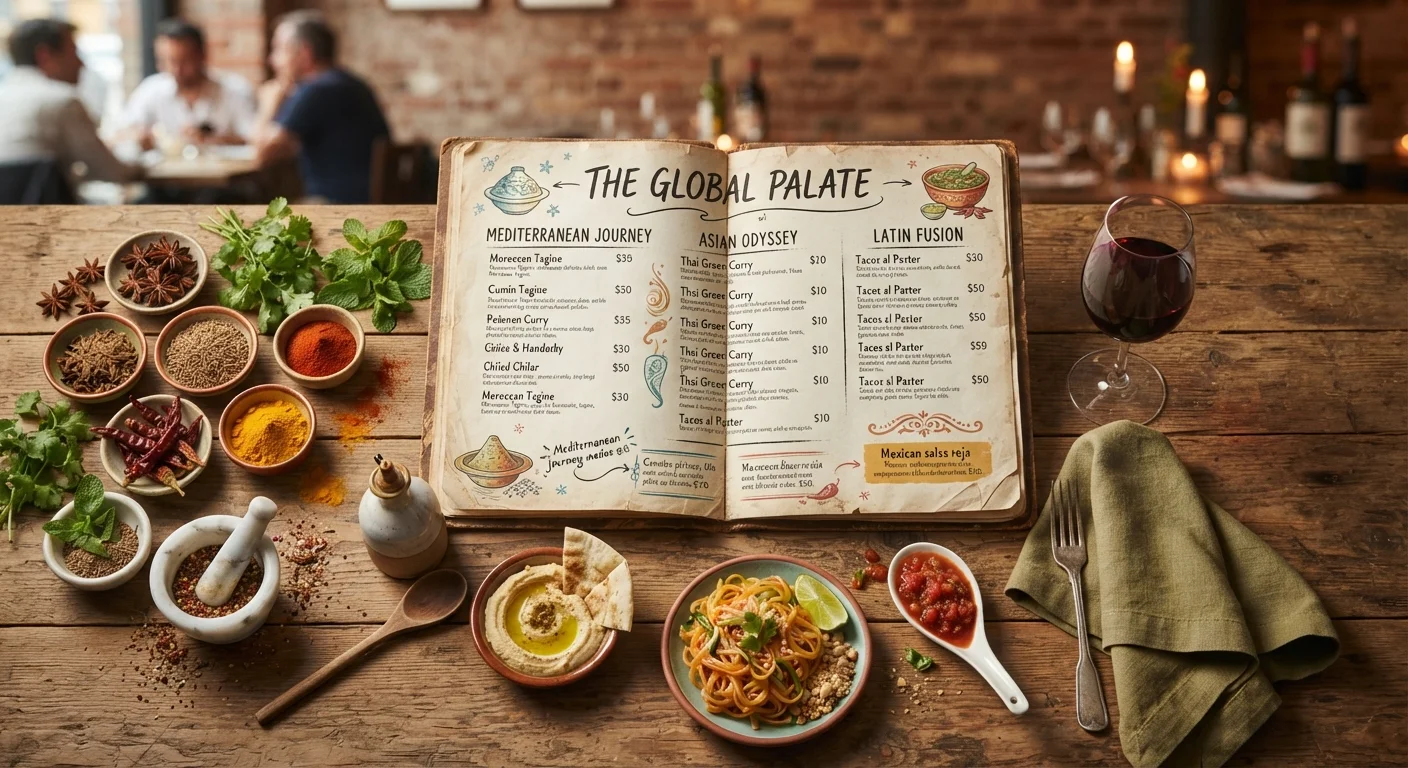
For context on why shared meals carry such cultural weight, see how communal eating shapes identity and belonging across cultures. And if you want to go deeper once you arrive, reading a menu like a cultural document is a useful next step.
Meal Timing and Daily Structure
Table Etiquette and Social Customs
Dietary Needs and Food Labeling
Tipping and Payment Norms
Food Taboos and Cultural Sensitivities
Tools and Resources to Use While Researching
Most of this checklist can be completed using freely available resources - travel forums, government tourism websites, and cultural guides published by embassies or regional organizations. The tools below will help you work through each item efficiently before departure.
Official tourism website of your destination country
Provides culturally vetted information on dining customs, etiquette, and local food norms.
Translation app with offline mode
Helps you communicate dietary needs and read menus in the local language while traveling.
Cultural etiquette guide (book or reputable travel resource)
Offers in-depth explanations of table manners, tipping conventions, and social customs specific to your region.
Allergen card service (printed or digital)
Provides pre-translated cards explaining specific food allergies in the local language for clear communication with restaurant staff.
Local food and travel forums
Offers firsthand traveler accounts of current restaurant practices, street food safety, and practical dining tips.
Generalizations About Cuisine Can Mislead
Country-level food norms often vary significantly by region, city, and generation. What applies in a major capital may not hold in rural areas, and vice versa. Always research the specific region you are visiting rather than relying solely on national stereotypes. Travel forums and destination-specific guides are more reliable for granular, up-to-date detail.
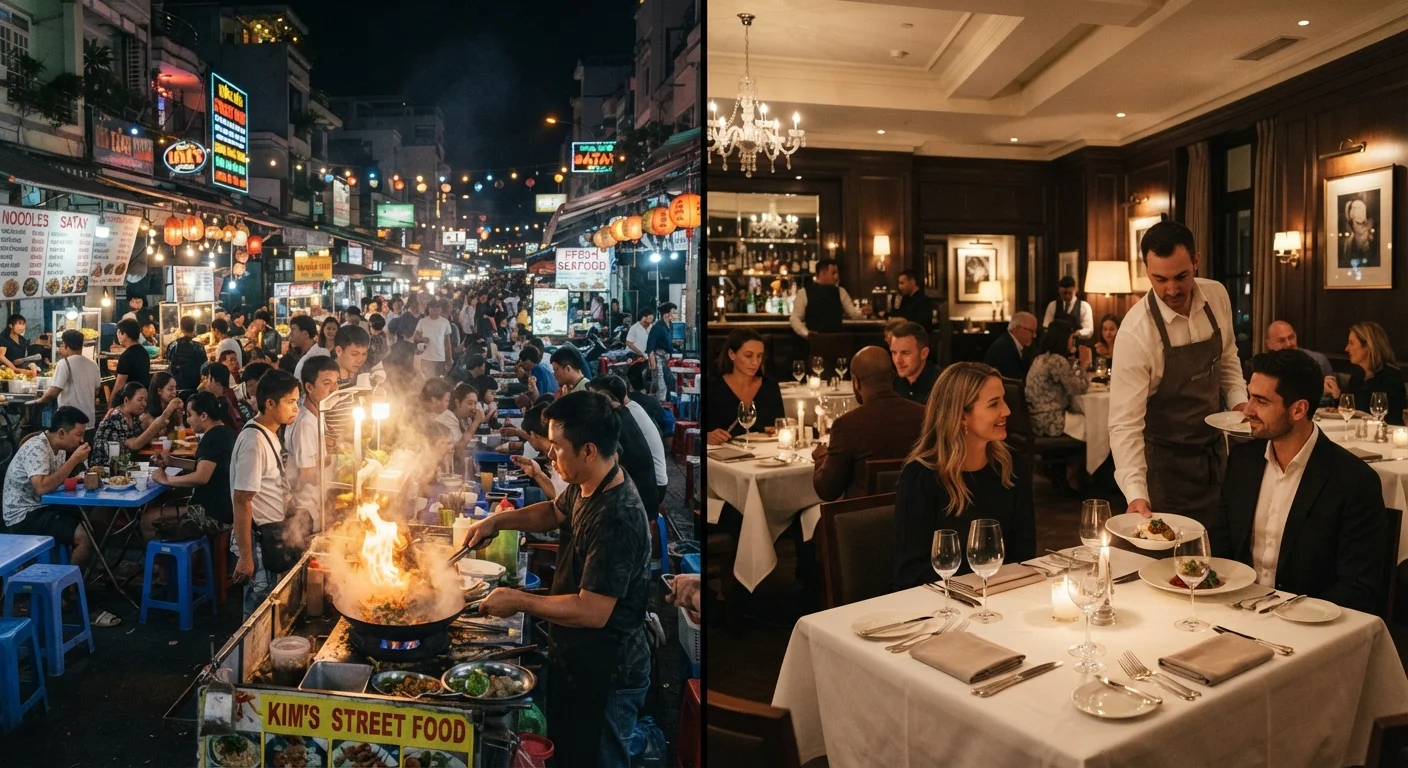
Once you have a handle on local customs, it's worth exploring how street food and restaurant culture differ by city - this distinction affects where locals actually eat and what the best food experiences look like on the ground. Travelers with specific dietary needs may also find it helpful to review how traditional cultures approach plant-based eating, which offers useful context for destinations where plant-forward diets have deep roots.
Understanding Sensitive Food Topics
Every culture has foods that carry symbolic, religious, or historical weight - items that may be off-limits, treated with reverence, or simply not discussed casually. Understanding these dynamics before you travel is not about avoiding all risk; it's about approaching the table with genuine curiosity and respect.
For a thorough grounding in why certain foods are avoided in particular cultures, food taboos decoded explains the anthropological and historical reasoning behind widely misunderstood prohibitions. Similarly, what a morning meal reveals about a culture is a useful entry point for understanding how daily food rhythm differs - something that affects everything from when cafes open to what's considered a proper start to the day.
Travelers With Severe Allergies: Take Extra Steps
Ingredient disclosure standards and kitchen cross-contamination practices differ significantly between countries. If you have a life-threatening allergy, carrying a clearly written allergen card in the local language is strongly recommended. Consult your healthcare provider before travel to ensure you have appropriate emergency medication and a plan in place. Do not rely solely on verbal communication when the stakes are high.
Fine dining expectations also shift dramatically by destination. What signals quality and prestige in one food culture - minimalist plating, silence, formal service - may be entirely absent from another context where excellence looks completely different. what counts as fine dining varies by culture offers a grounding overview before you book a special-occasion meal abroad.