
The Two Pathways: Light and Mental Arousal
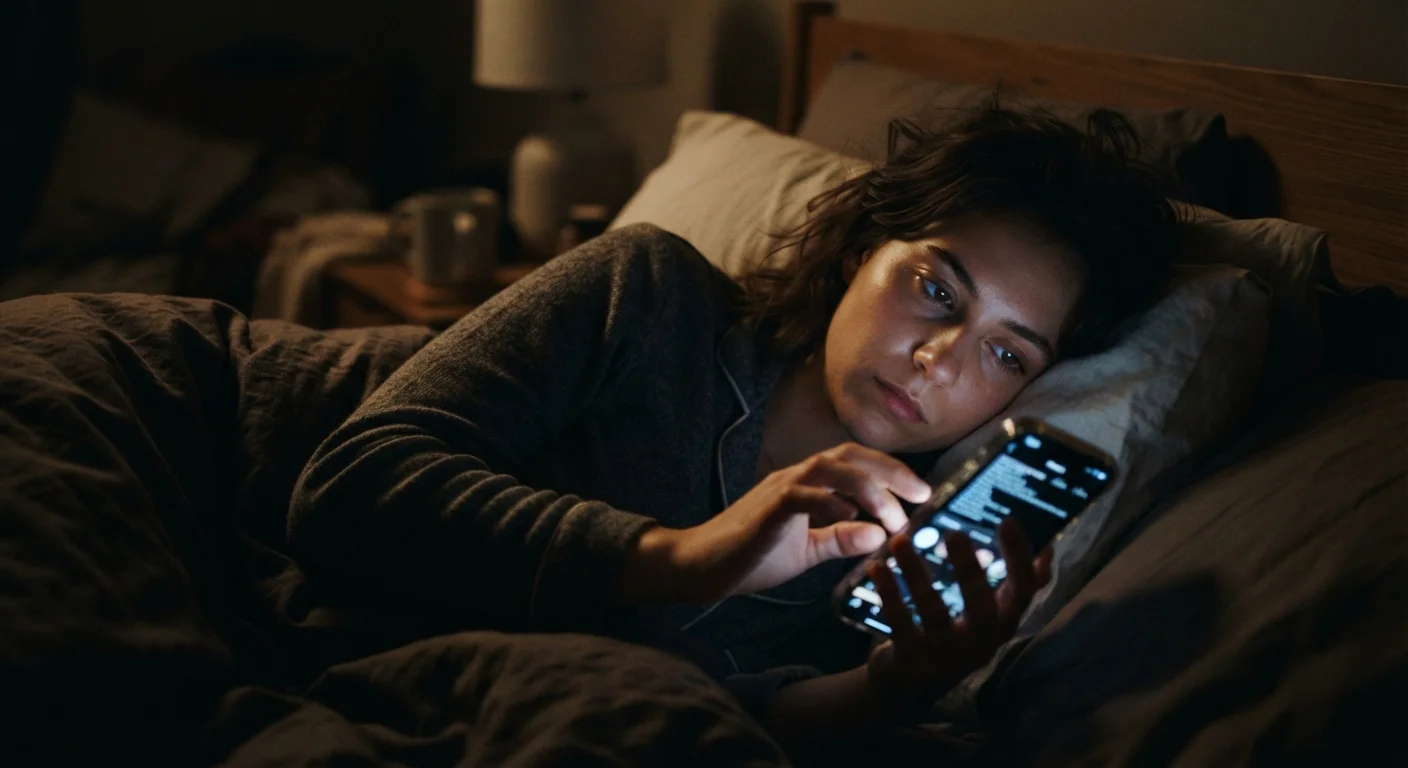
When people worry about screens before bed, they usually picture blue light zapping their melatonin. The biology is real: screens emit short-wavelength light that stimulates retinal cells linked to the brain's internal clock, and laboratory studies confirm that bright blue-enriched light in the evening can delay melatonin release. But the laboratory is not your bedroom.
At typical home screen brightness and viewing distances, the melatonin-suppressing effect is measurably smaller than headlines imply. A 2019 study published in Sleep Medicine found that two hours of evening tablet use at real-world brightness produced only modest physiological changes. This doesn't mean light is irrelevant - it means it's one factor among several.
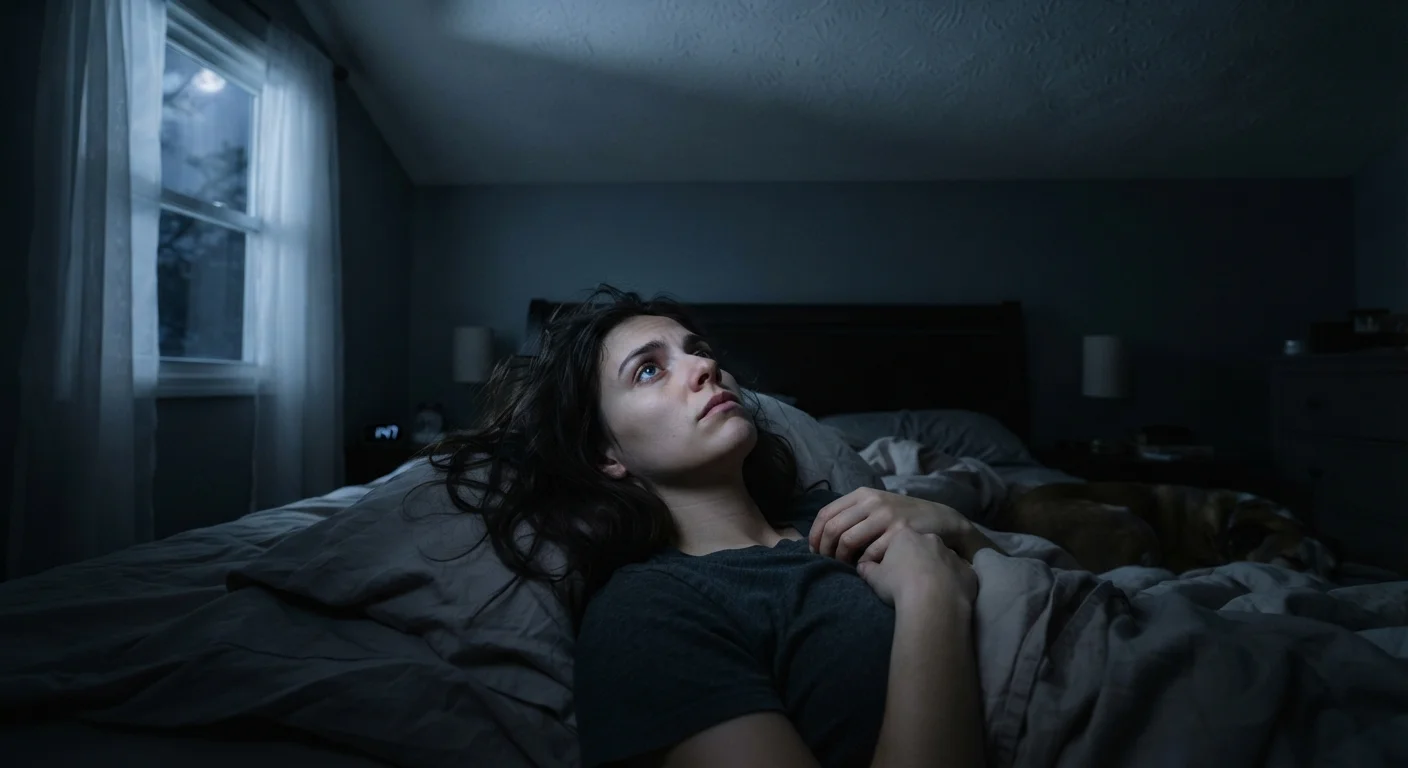
The second pathway is cognitive and emotional arousal. Scrolling news, engaging with social media, watching emotionally charged shows, or responding to work messages all activate the brain's attentional and stress-response systems. This kind of mental stimulation raises alertness at exactly the moment sleep requires the opposite. Many sleep researchers consider this arousal effect at least as significant as the light itself. Understanding how stress delays sleep onset puts this in useful context.
“It is not just the light from screens we should be thinking about - it is what those screens are showing us, and how that content activates the mind at a time when we need to be winding down.”
— Matthew Walker, Neuroscientist and sleep researcher, author of 'Why We Sleep'
What the Research Does - and Doesn't - Confirm
Large observational studies consistently show associations between heavy evening screen use and poorer sleep quality, shorter sleep duration, and later bedtimes - particularly in adolescents. But association is not causation. People who sleep poorly may reach for devices more often; anxious people may both scroll more and sleep less well, with anxiety driving both behaviours.
~90%
Adults using a device within an hour of bedtime
A National Sleep Foundation poll found approximately 90% of Americans reported using a technology device in the hour before sleep at least a few nights per week.
30-45 min
Average delay in sleep onset linked to evening screen use
Some controlled studies have reported sleep-onset delays of this range with extended bright-screen use; however, effect sizes vary widely across populations and study designs.
27%
Reduced melatonin after evening tablet use in laboratory conditions
Research published in PNAS found that light-emitting device use over several evenings suppressed melatonin by roughly 27% compared to reading printed books, under controlled bright-light conditions.
Experimental studies - where researchers control screen exposure - show more mixed results. Some find measurable delays in sleep onset; others show minimal effects, especially when content is kept neutral and brightness is reduced. The evidence base is still evolving, and effect sizes vary considerably between studies and populations.
Individual sensitivity is also genuinely variable. Chronotype (whether you are naturally a morning or evening person), age, and baseline anxiety all influence how much evening light and stimulation shift your sleep. What disrupts one person's night may barely affect another's.
Practical Principles Worth Applying
Because the evidence points to both light and arousal as contributing factors, practical guidance tends to address both. Reducing screen brightness and enabling warmer color settings in the evening is a low-effort step that may reduce light-related effects without requiring you to abandon devices entirely.
Simple Steps to Reduce Evening Screen Impact
Enable night mode or reduce screen brightness to its lowest comfortable level after sunset. Prioritise calm, low-stakes content - avoid news, work messages, or anything emotionally charged in the final hour before bed. If you use a device to wind down, set a soft stopping point rather than scrolling indefinitely.
Content choice matters considerably. A calming documentary or an e-reader on low brightness is meaningfully different from reading distressing news or playing a fast-paced game. The goal is lowering cognitive and emotional activation - not enforcing a blanket technology ban.
Building a consistent wind-down routine that gradually reduces stimulation signals your nervous system that sleep is approaching. Evidence-informed evening habits offers practical structure for this. And if the bedroom environment itself is contributing to poor sleep, a bedroom environment audit can help identify other factors at play.
For anyone experiencing persistent difficulty sleeping, adjusting screen habits is a reasonable first step - but not a substitute for professional support. Cognitive Behavioural Therapy for Insomnia (CBT-I) has a strong evidence base for chronic insomnia and addresses the underlying patterns that device rules alone cannot fix. See the complete sleep hygiene guide for a broader foundation.
This article is for general informational purposes only and does not constitute medical advice. If you have ongoing concerns about your sleep, please consult a qualified healthcare professional.