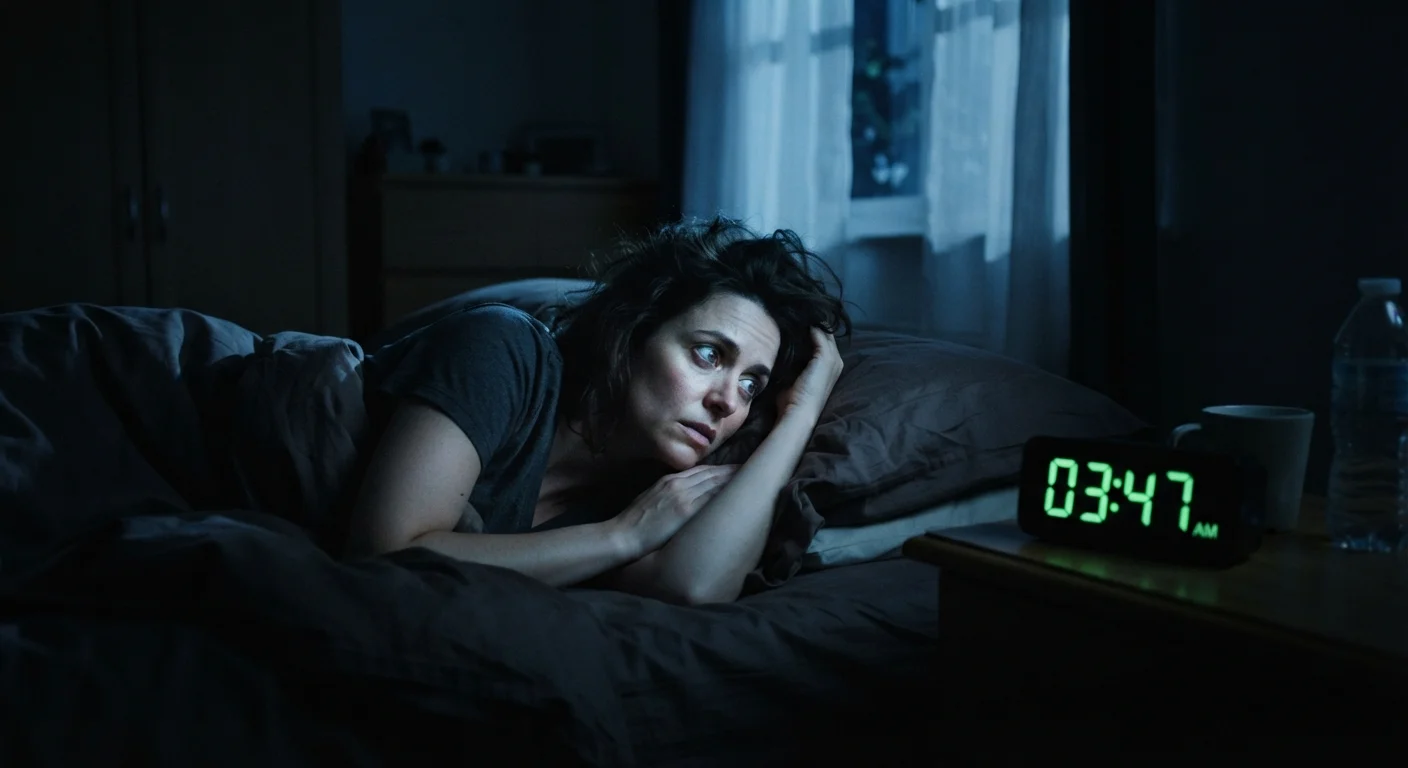


The Biology Behind Stress and Wakefulness
When the brain detects a threat - whether a looming deadline or a difficult conversation - it activates the hypothalamic-pituitary-adrenal (HPA) axis, triggering the release of cortisol and adrenaline. These hormones evolved to keep us alert and responsive in dangerous situations. The problem is that they are equally activated by psychological stress as by physical danger, and they do not switch off simply because you have climbed into bed.
Cortisol follows a daily rhythm, peaking in the early morning and declining through the evening to allow melatonin - the hormone that signals darkness and sleep - to rise. Chronic or acute stress distorts this curve, keeping cortisol elevated at night. Research consistently shows that higher evening cortisol is associated with longer sleep latency (the time it takes to fall asleep), more fragmented sleep, and reduced time in the restorative slow-wave and REM stages. To understand what you're missing when those stages are disrupted, see what your brain is actually doing during sleep.
~30%
Adults reporting stress-related sleep disruption
Population surveys across multiple countries consistently estimate that around 30% of adults experience insomnia symptoms, with stress identified as a leading precipitating factor by sleep researchers.
4-8 weeks
Typical CBT-I improvement window
Clinical trials of Cognitive Behavioural Therapy for Insomnia report meaningful reductions in sleep latency and night wakings within four to eight weeks of structured treatment.
Up to 58%
Increase in emotional brain reactivity after poor sleep
Research by Matthew Walker's lab at UC Berkeley found that sleep deprivation amplified amygdala responses to negative stimuli by up to 60% compared to well-rested states.
Why Poor Sleep Makes Stress Worse
The relationship is not one-directional. A single night of poor sleep measurably raises cortisol levels the following day and reduces activity in the prefrontal cortex - the brain region responsible for rational appraisal and emotional regulation. This means sleep-deprived individuals perceive neutral situations as more threatening, react more intensely to mild stressors, and have less cognitive capacity to reframe worry.
This feedback loop is what makes the cycle self-perpetuating. Stress causes poor sleep; poor sleep amplifies stress reactivity; heightened reactivity makes the next night harder. Recognising this mechanism is itself useful: it reframes a sleepless night not as a personal failure but as a predictable physiological response - one that can be interrupted.
“Sleep deprivation does not just make you tired - it fundamentally alters the emotional landscape of the following day, amplifying stress reactivity and narrowing your capacity for clear thinking.”
— Matthew Walker, Professor of Neuroscience and Psychology, University of California, Berkeley; author of research on sleep and emotional regulation
What the Research Supports for Breaking the Cycle
Cognitive Behavioural Therapy for Insomnia (CBT-I) is the most robustly evidenced approach for stress-related sleep disruption. Unlike medication, it targets the cognitive and behavioural patterns that maintain insomnia - including hyperarousal, unhelpful beliefs about sleep, and compensatory behaviours such as extended time in bed. Multiple systematic reviews and clinical guidelines from bodies including the American Academy of Sleep Medicine identify it as a first-line treatment. Common patterns that paradoxically make sleep harder - like clock-watching or trying too hard - are directly addressed within CBT-I frameworks.
Beyond formal therapy, several evidence-informed strategies can reduce physiological arousal before bed:
- Scheduled worry time: Writing down concerns and to-do items earlier in the evening - not in bed - reduces cognitive intrusion at sleep onset, according to research published in peer-reviewed sleep journals.
- Slow, paced breathing: Techniques that extend the exhale activate the parasympathetic nervous system, measurably reducing heart rate and cortisol activity.
- Consistent sleep scheduling: Anchoring wake time - even after a poor night - stabilises the circadian rhythm and reduces the HPA dysregulation associated with irregular sleep patterns.
Try a 'Brain Dump' Before Bed
Set aside ten minutes at least an hour before sleep to write down unresolved concerns and a concrete plan for addressing them. Research suggests this simple habit reduces the cognitive intrusion that delays sleep onset. Keep the notebook away from your bed so it stays associated with action, not rumination.
Your broader evening environment also shapes cortisol response. For practical guidance on light, temperature, and pre-sleep habits, see evening habits that support a calmer, more restful night. And if you're assessing your physical sleep environment, the bedroom environment audit offers a structured checklist. For a comprehensive overview of all contributing factors, sleep hygiene: the complete foundation for better rest covers the full picture.
This article is for general informational purposes only and does not constitute medical advice. If stress-related sleep difficulties are persistent, severe, or affecting daily functioning, please consult a qualified healthcare professional.