
What Is Ethology?
Ethology is the scientific study of animal behavior, examined primarily in natural or naturalistic settings. The word derives from the Greek ethos (character) and logos (study), and the discipline asks a deceptively simple question: why do animals behave the way they do?
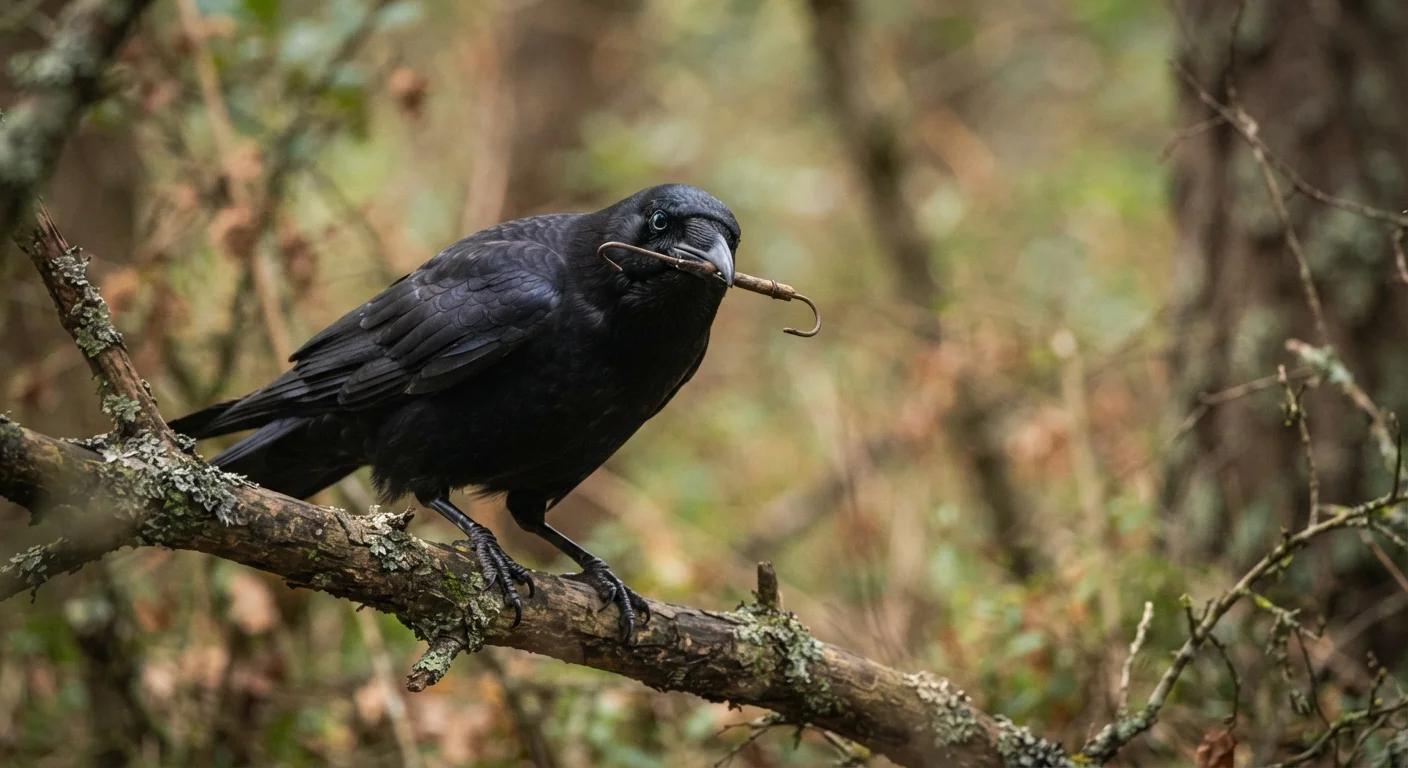
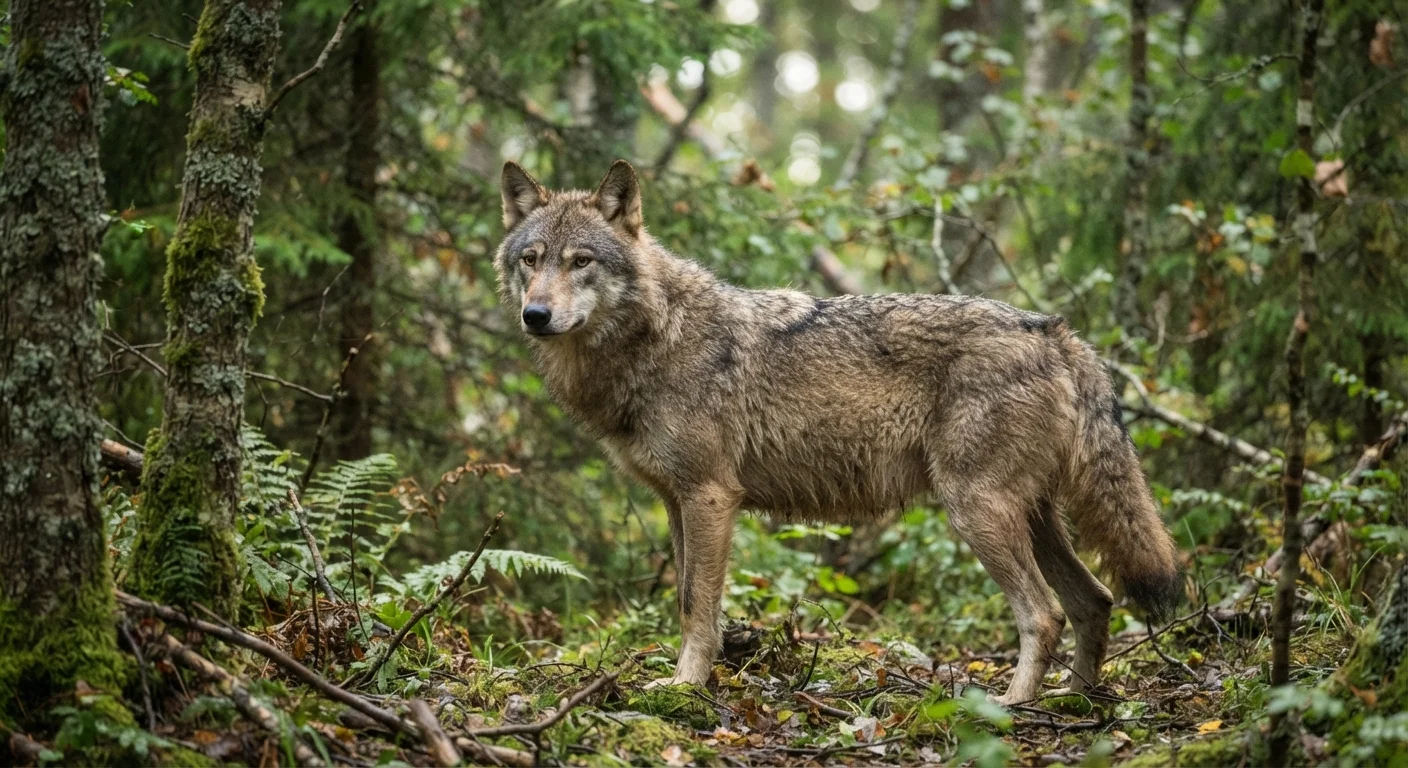
Unlike early laboratory-based animal psychology, ethology insists that behavior makes the most sense when observed where it evolved - in the wild, or in conditions that closely resemble it. This field-first philosophy distinguishes ethologists from researchers who study animals purely through controlled experiments. The discipline sits at the intersection of biology, ecology, and evolutionary theory, treating behavior as an adaptation shaped by natural selection just as anatomy or physiology is.
For readers interested in how the study of animal behavior compares to investigating our own species, the psychology of human behaviour offers a useful contrast and complement.
Ethology
The biological science of animal behavior, studied primarily in natural environments to understand the evolutionary origins and adaptive functions of behavioral patterns.
Fixed action pattern
A genetically programmed, species-typical sequence of behavior that is triggered by a specific stimulus and runs to completion once initiated.
Imprinting
A rapid, time-sensitive form of learning during a critical developmental period in which a young animal forms lasting attachments that shape future social behavior.
Sign stimulus
A specific environmental cue that reliably triggers an innate behavioral response in a particular species; sometimes called a releaser.
Kin selection
An evolutionary process in which behaviors that help genetic relatives spread through a population, because shared genes benefit even when the individual actor does not reproduce directly.
Habituation
A basic form of learning in which an animal's response to a repeated, harmless stimulus gradually decreases over time.
Landmark Discoveries That Shaped the Field
Three scientists did more than anyone else to establish ethology as a rigorous discipline. Konrad Lorenz documented imprinting - the rapid, critical-period bonding he observed in greylag geese - demonstrating that some learning is innately programmed to occur at specific developmental windows. Niko Tinbergen introduced his now-canonical framework of four questions (mechanism, ontogeny, phylogeny, and adaptive function) that any complete behavioral explanation must address. Karl von Frisch decoded the waggle dance of honeybees, showing that insects could communicate precise spatial information symbolically. All three shared the 1973 Nobel Prize in Physiology or Medicine.
These discoveries established that behavior is not random or simply learned; it is structured by biology and shaped over generations of evolutionary pressure. Later ethologists extended this work into sociobiology and behavioral ecology, examining how social structures, cooperation, and competition emerge from individual animals pursuing survival and reproduction.
Start Your Own Behavioral Observations
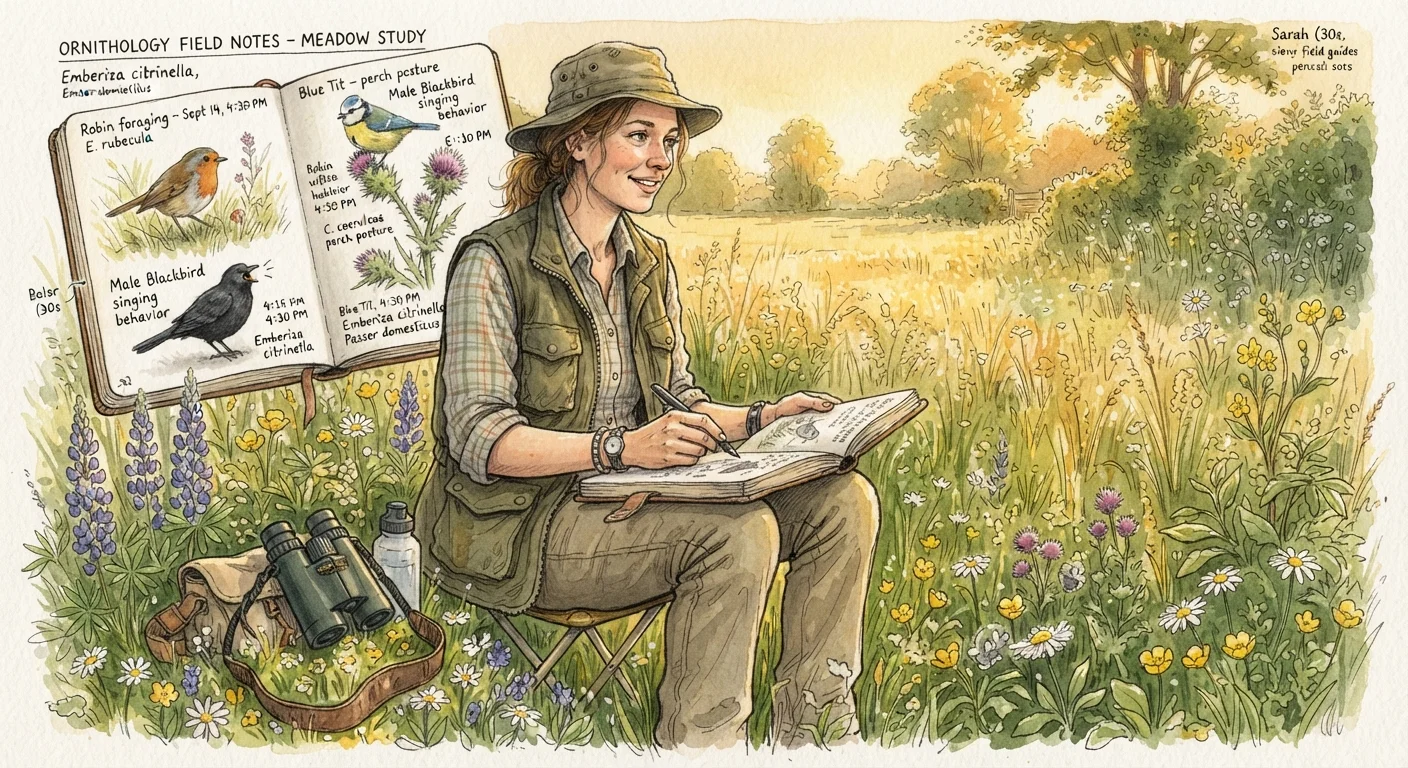
You don't need a research grant to practice ethological thinking. Pick one species you can observe regularly - a backyard bird, a pet, or local squirrels - and keep a simple log of specific, describable actions rather than interpretations. Note timing, context, and what preceded and followed each behavior. This habit of precise, judgment-free recording is exactly how professional ethologists build their datasets.
Core Concepts Every Beginner Should Know
A handful of foundational concepts help organize what can otherwise feel like an overwhelming diversity of animal actions:
- Fixed action patterns (FAPs): Stereotyped, species-typical sequences of behavior triggered by a specific stimulus (called a sign stimulus or releaser). Once initiated, a FAP runs to completion regardless of further external input.
- Innate vs. learned behavior: Some behaviors are largely genetically programmed (innate); others develop through experience. Most real behaviors involve an interaction of both.
- Habituation: The gradual reduction of a response to a repeated, inconsequential stimulus - one of the simplest forms of learning observed across virtually all animal taxa.
- Critical periods: Time-limited developmental windows during which specific experiences have outsized, lasting effects on behavior.
- Kin selection: The evolutionary mechanism by which behaviors that benefit genetically related individuals can spread through a population, even at some cost to the individual performing them.
Mastering these terms gives you the vocabulary to engage with research papers, wildlife documentaries, and the rapidly growing field of animal cognition.
Animal Communication and Social Patterns
Communication is among ethology's richest research areas. Animals exchange information through four primary channels: visual signals (posture, coloration, movement), acoustic signals (vocalizations, ultrasound), chemical signals (pheromones, scent marking), and tactile signals (grooming, vibration). No single channel dominates across all species; rather, each animal's communication system reflects its sensory ecology and social needs.
Social organization - from solitary hunters to highly cooperative eusocial insects - also falls under ethological inquiry. Researchers examine dominance hierarchies, territory establishment, mating systems, parental investment, and group foraging strategies. These patterns are not arbitrary; they represent evolutionary solutions to recurring ecological challenges.
Learning to read these signals in the field is itself a skill. Our field guide to animal body language breaks down how posture, tail movement, and ear position reveal an animal's internal state.
Anthropomorphism vs. Anthropocentrism
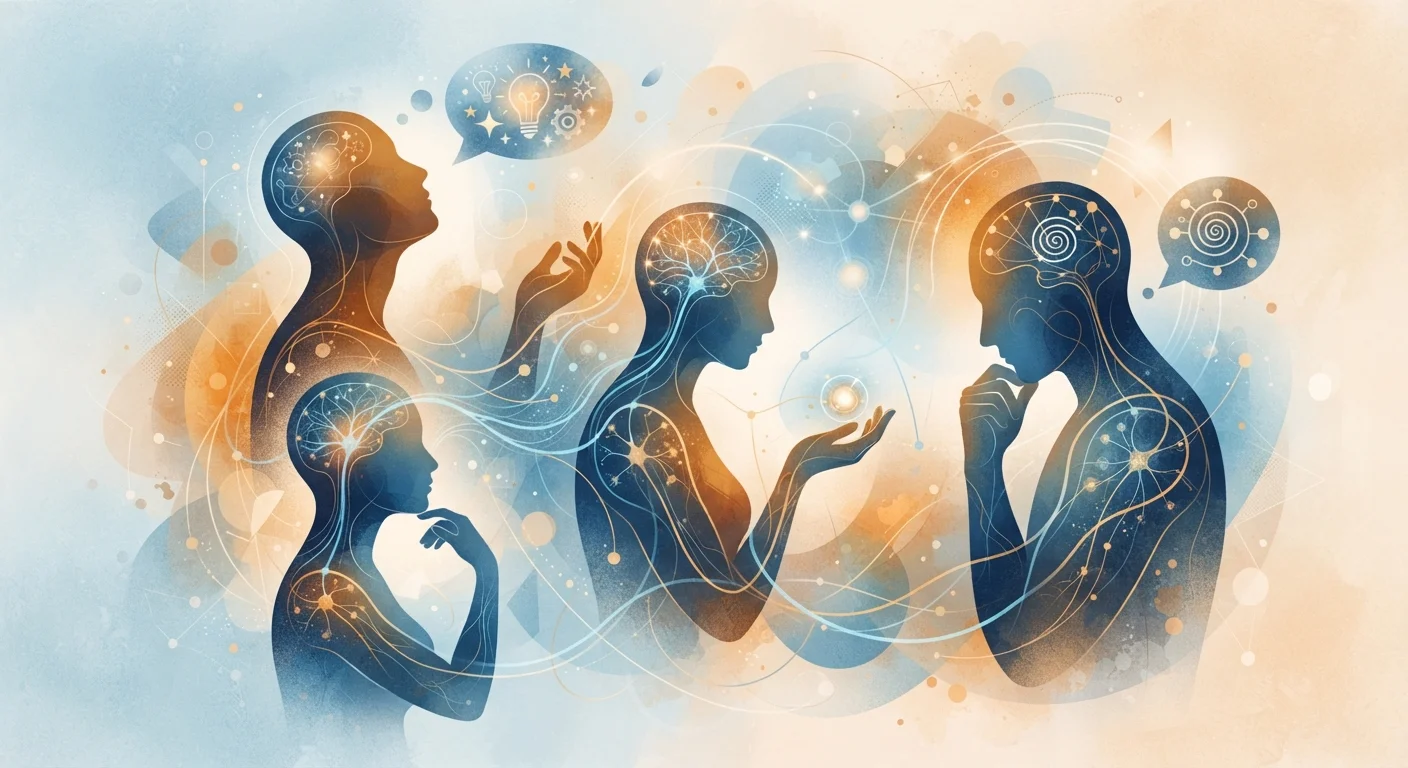
Ethologists distinguish between anthropomorphism - attributing human emotions or motivations to animals without evidence - and the legitimate use of comparative frameworks. Modern researchers are increasingly willing to use carefully defined emotional or cognitive terms for animals when the behavioral and neurological evidence supports it. The key is grounding descriptions in observable data rather than assumption.
Why Ethology Still Matters
Ethology is far from an abstract academic exercise. Its applications reach into conservation biology, where understanding species-typical habitat use and social requirements guides reserve design and reintroduction programs. It informs animal welfare science, helping practitioners assess whether captive animals can express natural behaviors. It contributes to veterinary medicine and companion animal care by clarifying what motivates problem behaviors in pets.
The field also sits in productive dialogue with human behavioral sciences. Evolutionary psychology and behavioral ecology both draw on ethological frameworks, examining whether patterns seen across animal taxa shed light on human social behavior - though researchers are appropriately cautious about over-extending such comparisons. You can explore the broader landscape of human social patterns through the Human Behavior hub.
For those ready to move from conceptual understanding to methodology, observing wildlife without distorting their behavior explains how field researchers collect reliable data without influencing the very animals they study.
Tinbergen's Four Questions Framework
A foundational analytical tool for understanding any animal behavior at four levels: mechanism, development, evolution, and function. Searching academic or educational sources for this framework will return clear explanations suitable for beginners.
Animal Behavior Society
A professional organization that publishes accessible resources, hosts conferences, and promotes the scientific study of animal behavior across research and applied contexts.
Behavioral Observation Log Template
A simple structured notebook format for recording species, time, location, trigger, behavior sequence, and outcome - the core data ethologists collect in the field.