
What Animal Cognition Research Actually Studies
Animal cognition is the scientific examination of mental processes in non-human animals - how they perceive, learn, remember, and solve problems. It sits at the intersection of ethology, comparative psychology, and neuroscience. Rather than asking whether animals "think" in a human sense, researchers ask more precise questions: Can this species distinguish past from present experience? Does it represent the mental states of others? Can it plan for future needs?
These questions matter well beyond academic curiosity. Understanding cognition helps explain everything from predator-prey dynamics to how social hierarchies self-organize. For a grounding in the behavioral framework that underlies this research, see our introduction to ethology.
Animal Cognition
The scientific study of mental processes - perception, memory, reasoning, and decision-making - in non-human animals. It focuses on measurable behavior rather than subjective experience alone.
Theory of Mind
The ability to attribute mental states such as beliefs, desires, and intentions to others, and to understand that those states may differ from one's own. Evidence for this capacity in animals remains an active area of debate.
Episodic Memory
Memory for specific past events, including what happened, where, and when. In animals, researchers use the term 'episodic-like memory' to describe analogous capacities that meet behavioral but not necessarily conscious criteria.
Operant Conditioning
A learning process in which behavior is shaped by its consequences - reinforcement increases a behavior's frequency while punishment decreases it. First systematically described by B.F. Skinner, it remains foundational to animal training and cognition research.
Insight Learning
The sudden solving of a problem without prior trial-and-error experience, suggesting mental simulation or internal modeling. Wolfgang Köhler's work with chimpanzees in the early 20th century provided early evidence for this capacity.
Social Cognition
The ability to process and use information about conspecifics - other members of the same species - including tracking social relationships, dominance hierarchies, and the intentions of individuals.
Tool Use
The use of an external object to achieve a goal, such as obtaining food or defense. Researchers distinguish simple tool use from tool manufacture, with the latter considered a higher-order cognitive achievement.
Associative Learning
Learning that links two stimuli or a stimulus and a response through repeated co-occurrence. It underlies classical conditioning and is one of the most phylogenetically widespread forms of learning.
Core Concepts Defined
The field relies on a precise vocabulary. Conflating terms like "instinct" and "learning," or "intelligence" and "cognition," leads to misreading study findings. The definitions below reflect current scientific usage.
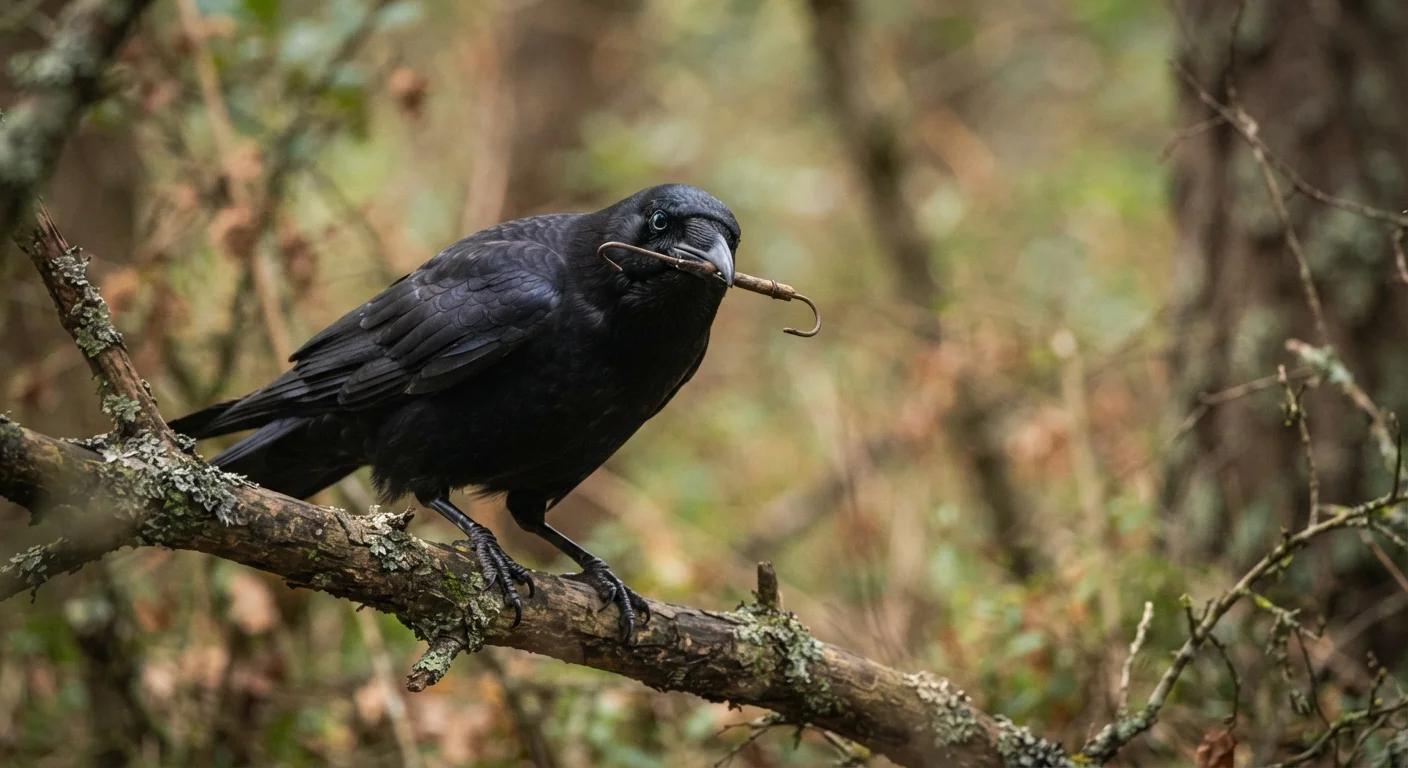
| Recognized tool-manufacturing species | New Caledonian crows, chimpanzees, orangutans, and some dolphins (Comparative cognition literature, ongoing) |
| Mirror self-recognition confirmed in | Great apes, bottlenose dolphins, Asian elephants, Eurasian magpies (Meta-analysis of self-recognition studies) |
| Episodic-like memory studied most in | Western scrub-jays (now called California scrub-jays) (Clayton & Dickinson, 1998, Nature) |
| Primary research methods | Behavioral tasks, neuroimaging, field observation, comparative studies |
| Minimum number of species with documented culture | Over 50, including primates, cetaceans, and birds (Whitehead & Rendell, The Cultural Lives of Whales and Dolphins) |
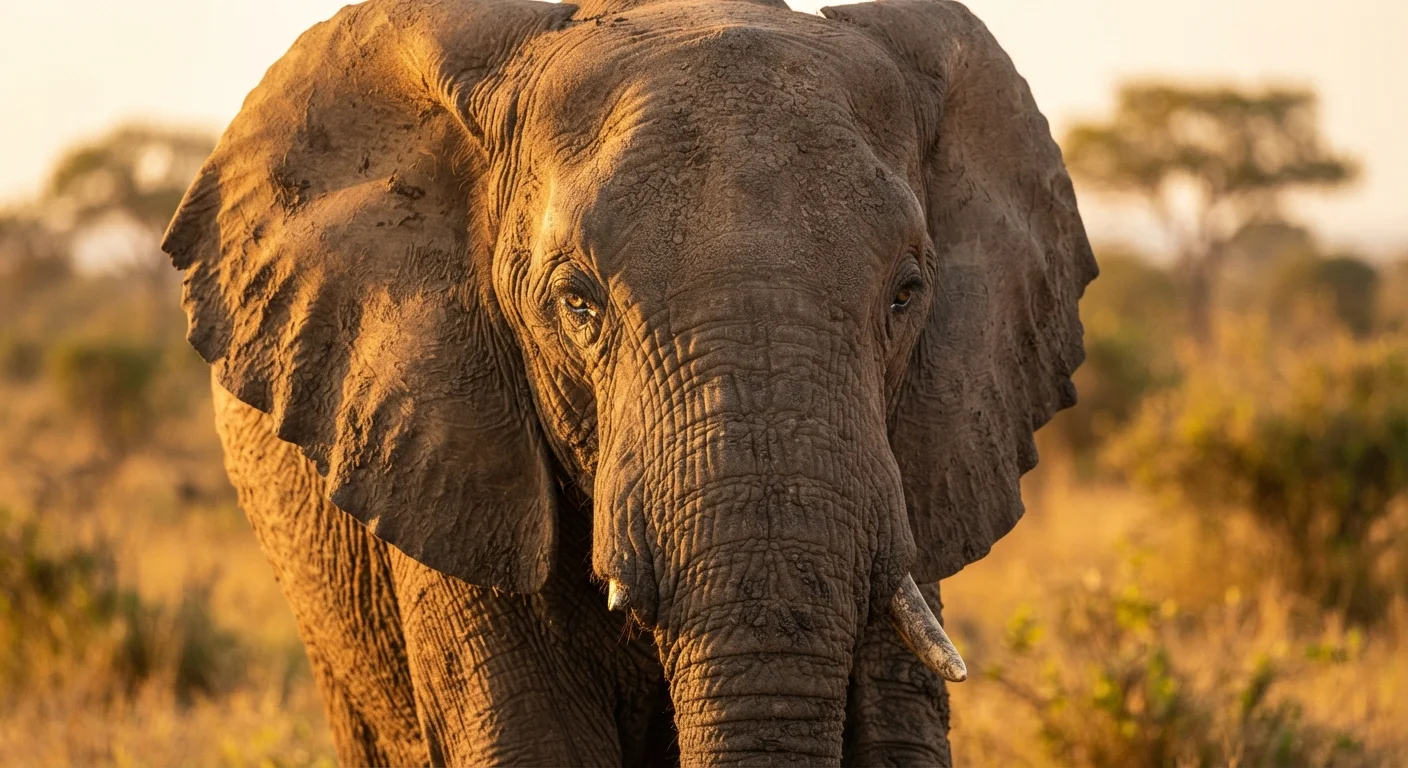
One area generating particular research attention is theory of mind - the capacity to attribute mental states to others. Classic experiments using mirror self-recognition and false-belief tasks have been adapted for non-human subjects, with chimpanzees, dolphins, elephants, and some corvids showing partial or contextual evidence of this ability. For a detailed case study, explore the science behind elephant cognition.
It is worth noting that animal cognition research is methodologically challenging. Negative results (an animal failing a task) often reflect task design rather than cognitive absence. Researchers now design experiments that align more closely with each species' natural ecology - a shift sometimes called "ecologically valid" testing.
A Note on Anthropomorphism vs. Anthropodenial
Researchers navigate a careful line between anthropomorphism - projecting human experience onto animals - and anthropodenial, dismissing mental complexity in non-humans without evidence. Primatologist Frans de Waal argued that both errors distort scientific understanding. Current consensus favors describing behaviors precisely and inferring cognition conservatively, based on converging lines of evidence rather than single experiments.
From Cognition to Behavior: Practical Connections
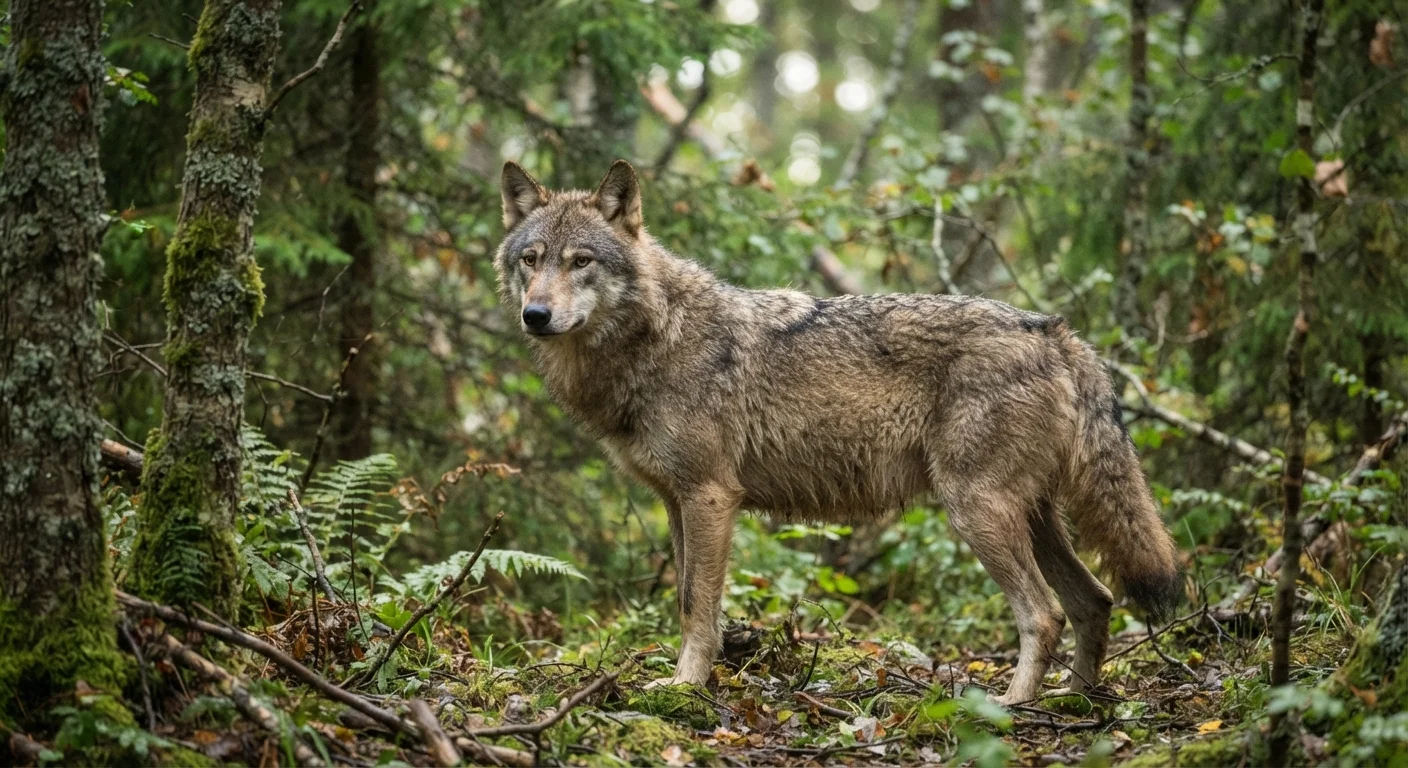
Cognitive abilities do not exist in isolation - they shape observable behavior in ways curious observers can recognize in the field. An animal's capacity for associative learning explains why a city crow quickly avoids a specific human who once harassed it. Social cognition underlies the complex alliance-building seen in wolf packs and primate groups. Body language signals are themselves a product of social cognitive evolution, encoding information about emotional and intentional states.
Play behavior offers another window into cognition. Young mammals engaged in play are practicing social negotiation, self-regulation, and physical problem-solving - all cognitively demanding tasks. See what researchers have learned about play in mammals for a deeper look.
Readers interested in how these concepts mirror - and diverge from - human mental shortcuts will find a useful contrast in cognitive biases that shape everyday human decisions. The parallel glossary of psychological terms in our plain-language psychology reference also provides helpful cross-disciplinary context.
~40
Species shown to use tools in the wild
A conservative count from peer-reviewed field studies spanning primates, birds, fish, and invertebrates.
6-8
Months of future planning demonstrated in great apes
Laboratory studies have shown some great apes selecting and transporting tools up to several minutes ahead of anticipated need, with field evidence suggesting longer horizons.