
The Observer Effect: Why Presence Matters
When a researcher steps into the field, they don't enter a neutral space. Animals detect human presence through scent, sound, and visual cues, and they respond - sometimes dramatically. Prey species may freeze, flee, or suppress feeding behavior. Social animals may alter group dynamics. Predators may abandon hunts. This is the observer effect: the measurable distortion of behavior caused by the act of watching.
For behavioral scientists, managing this distortion isn't optional - it's the entire methodological challenge. Data collected from animals in a state of alarm or hypervigilance doesn't reflect natural behavioral repertoires. It reflects how animals respond to perceived threat. Researchers in the field of ethology have developed systematic approaches to minimize this distortion, and understanding those methods helps anyone who observes wildlife do so more responsibly.
Habituation Is Not Taming
A habituated animal is not tame, domesticated, or desensitized to danger - it has simply learned that a specific non-threatening stimulus poses no risk. Habituated wild animals retain all natural behaviors, including wariness of unfamiliar humans. Researchers are careful never to conflate habituation with reduced wildness, as doing so can lead to dangerous assumptions about how the animal will behave toward other people.
Core Practices Researchers Use to Preserve Behavioral Integrity
The following practices represent field-tested standards used across wildlife biology, primatology, ornithology, and ecology. Each addresses a specific mechanism by which observation can corrupt the data it aims to collect.
Implement a habituation period before collecting behavioral data.
Animals that have been repeatedly exposed to a non-threatening observer over days or weeks gradually reduce their stress responses, eventually behaving as though the observer is absent. Data collected before habituation is complete reflects alarm responses, not baseline behavior.
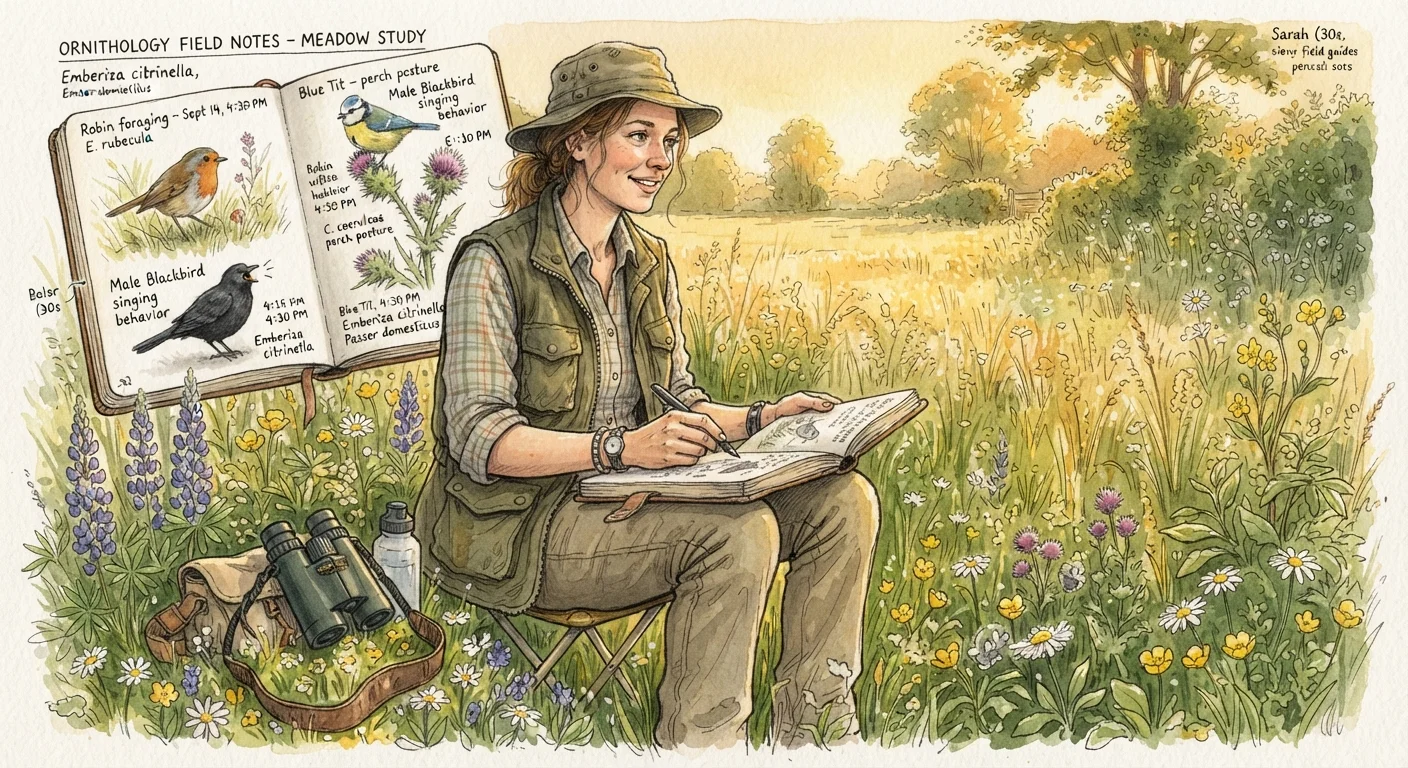
Use standardized sampling protocols such as focal animal sampling or scan sampling.
Ad hoc observation - watching whatever catches the eye - introduces selection bias. Researchers systematically record behavior from pre-selected individuals or groups at fixed intervals, ensuring the data reflects population patterns rather than memorable or dramatic events.
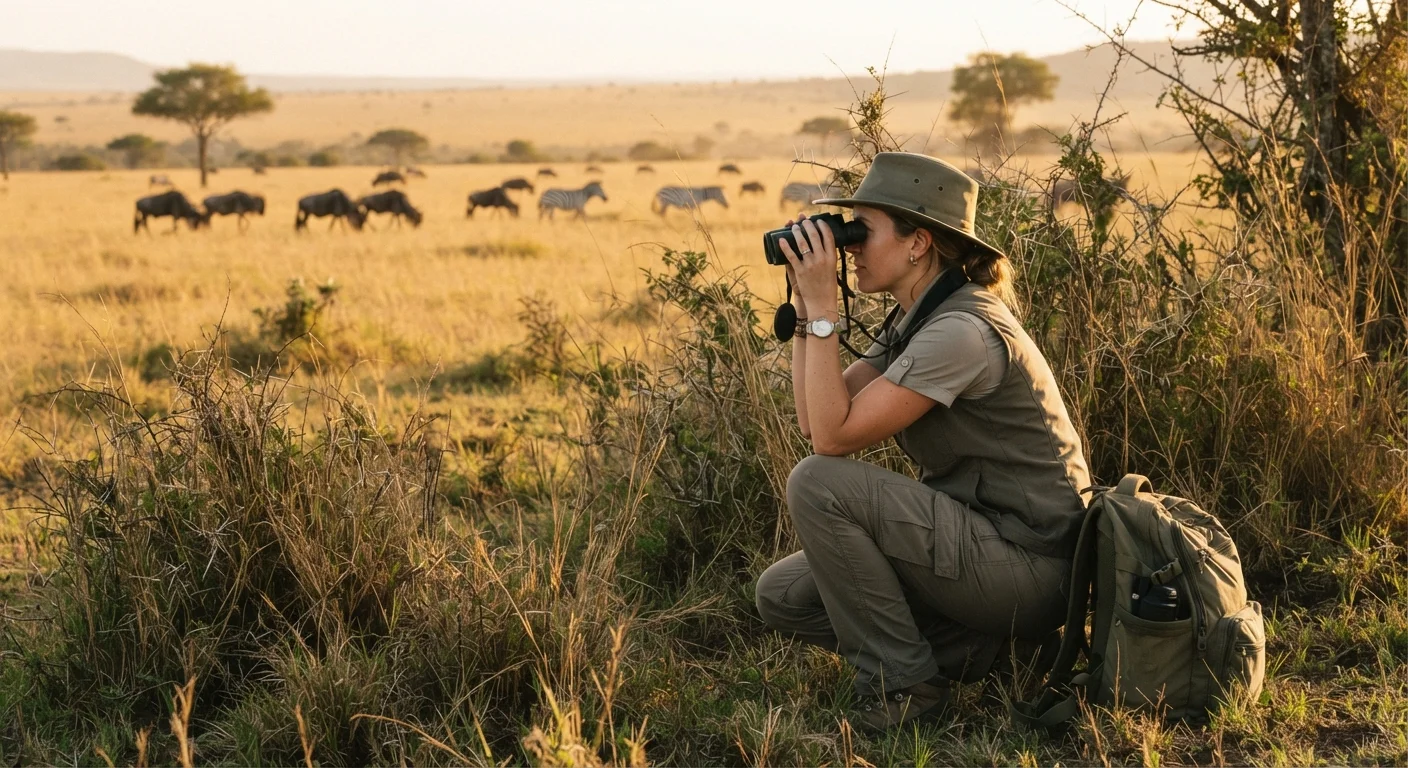
Maintain consistent and appropriate observation distances for the species being studied.
Every species has a characteristic flight initiation distance - the proximity at which it will flee or alter behavior in response to approach. Exceeding this threshold repeatedly during a study systematically biases the sample toward stress-related behaviors.
Minimize olfactory and auditory cues that signal human presence.
Many mammals rely more heavily on scent than vision. A researcher whose scent drifts downwind into a herd's detection range may trigger behavioral changes without ever being seen, compromising observations made at apparently safe visual distances.
Record observations blind to previous data where possible.
Confirmation bias - the tendency to notice and record behaviors that confirm existing expectations - is a significant methodological risk. When researchers know the hypothesis being tested, they may unconsciously weight observations in its favor.
Tools That Remove the Human Variable Entirely
Even the most disciplined observer introduces some signal into the environment. That's why modern behavioral research increasingly relies on remote monitoring tools that eliminate human presence from the equation altogether.
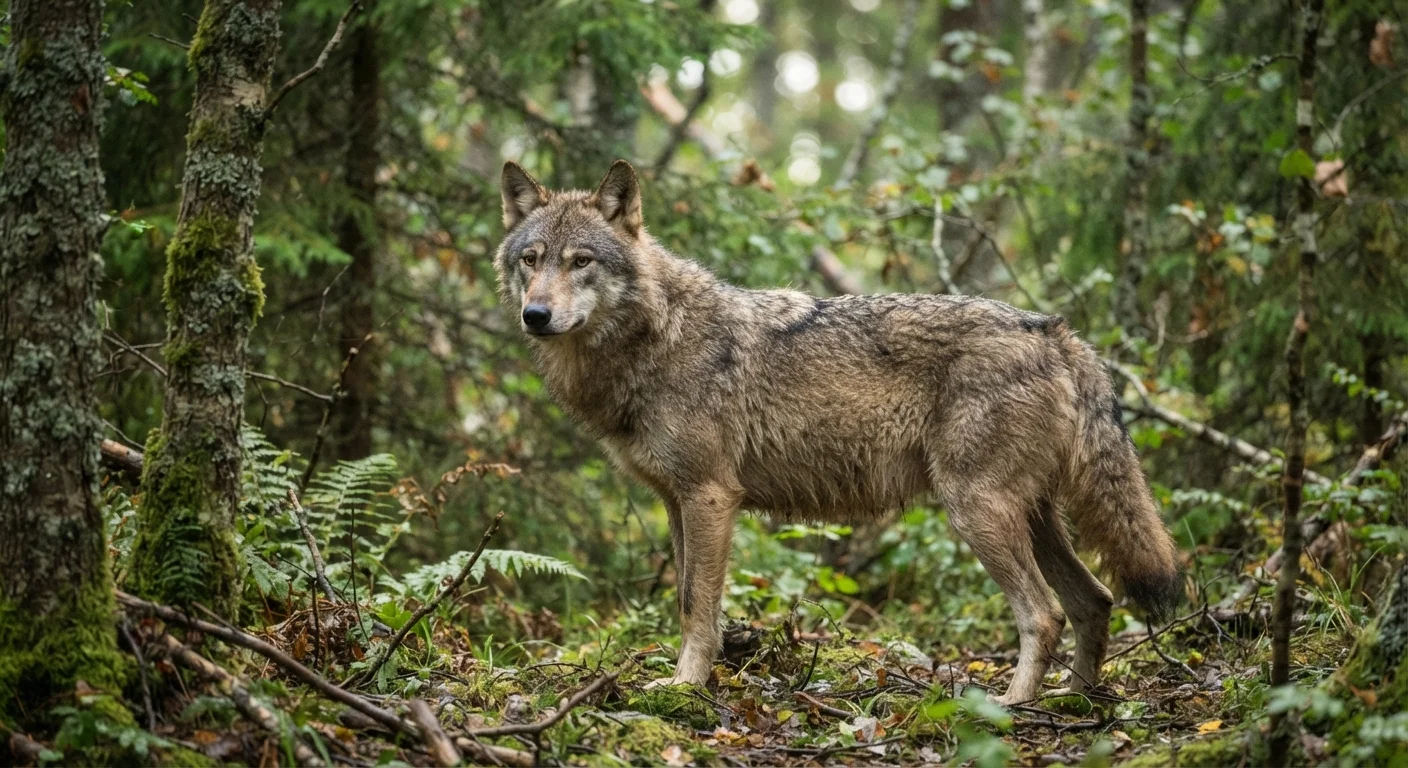
Camera traps - motion-activated cameras left unattended in the field - have transformed the study of cryptic and nocturnal species. Animals photographed or filmed days after a researcher's last visit display behavior far less influenced by human proximity. Acoustic monitors record vocalizations around the clock without anyone present. GPS and accelerometer tags on individual animals generate movement and activity data continuously, revealing patterns no observer could witness directly.
~50%
Behavioral difference in habituated vs. unhabituated animals
Studies on wild primates have documented that activity budgets and social interaction rates can differ by roughly 50% between habituated and unhabituated groups, underscoring why baseline establishment matters.
1,000+
Camera trap studies published annually
Remote camera trap research has grown exponentially since the 1990s, now generating thousands of peer-reviewed studies per year on species that are rarely observed directly.
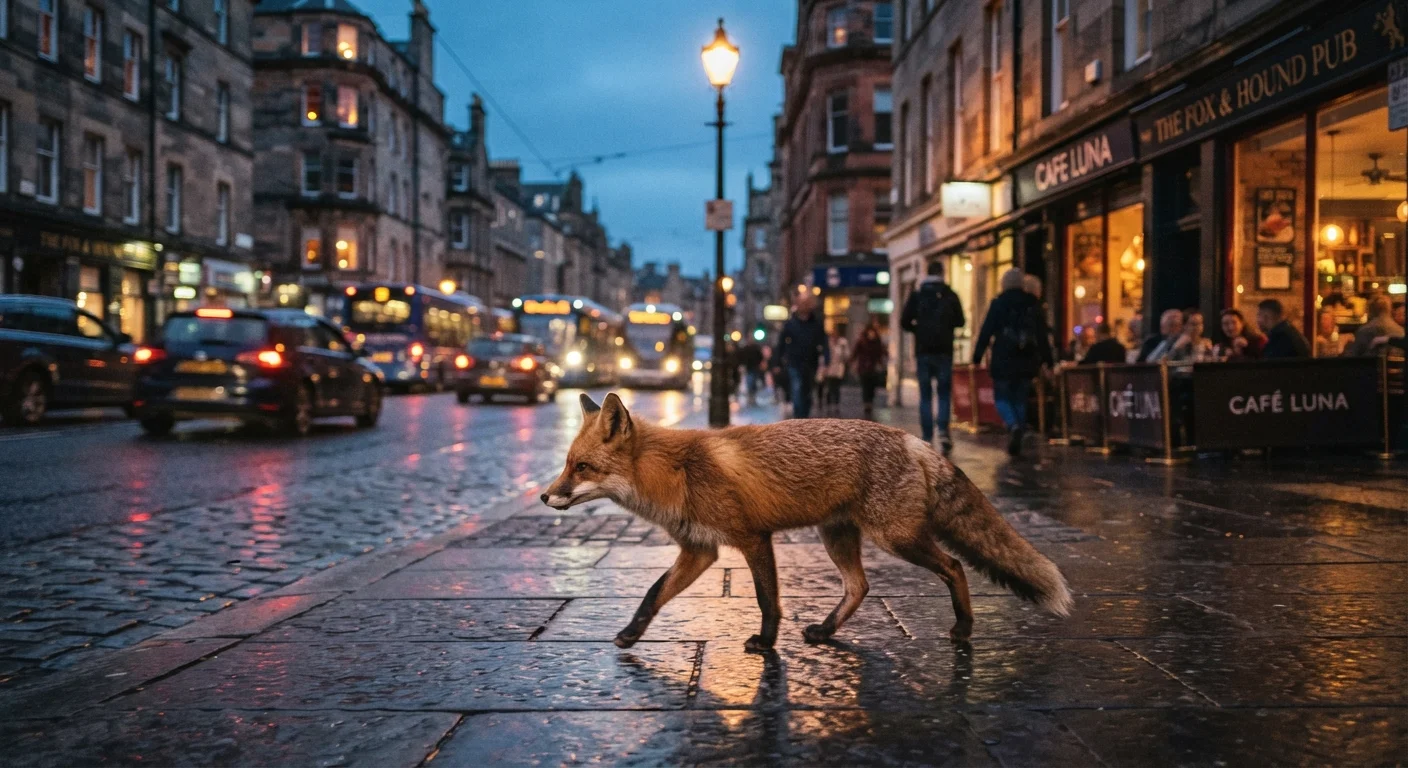
These tools don't replace observational fieldwork - they complement it. Quantitative movement data gains interpretive depth when paired with direct behavioral coding. But for species that are highly sensitive to disturbance, or for behaviors that only occur in complete solitude, remote sensing often provides the only reliable window available. For a broader look at how researchers track behavioral shifts across environments, see how animals adapt their behavior to urban environments.
What Responsible Observation Looks Like in Practice
The same principles that protect data quality also protect animals. Maintaining distance, minimizing sensory intrusion, and reading behavioral signals accurately aren't just scientific conventions - they're the foundation of ethical wildlife encounters. When animals remain in their undisturbed behavioral state, observers see what is actually happening: authentic social interactions, natural foraging sequences, real communication signals.
Learning to read animal body language is an essential skill here. Stress indicators - flattened ears, erratic movement, displacement behaviors - signal that an observer is too close or too conspicuous. Recognizing these cues allows immediate corrective action before behavior is meaningfully altered.
For anyone venturing into the field as a curious observer rather than a credentialed researcher, the foundational principles of wildlife observation translate directly from scientific practice. Distance, stillness, patience, and respect for the animal's perception of safety are not arbitrary rules - they're the conditions under which wildlife behaves as it actually does.
“The cardinal rule of behavioral observation is that you are part of the environment. The animal is always reacting to you to some degree. Your job is to make that reaction as small as possible.”
— Nikolaas Tinbergen, Nobel Prize-winning ethologist and co-founder of modern behavioral biology