
When One Thread Is Pulled from the Web
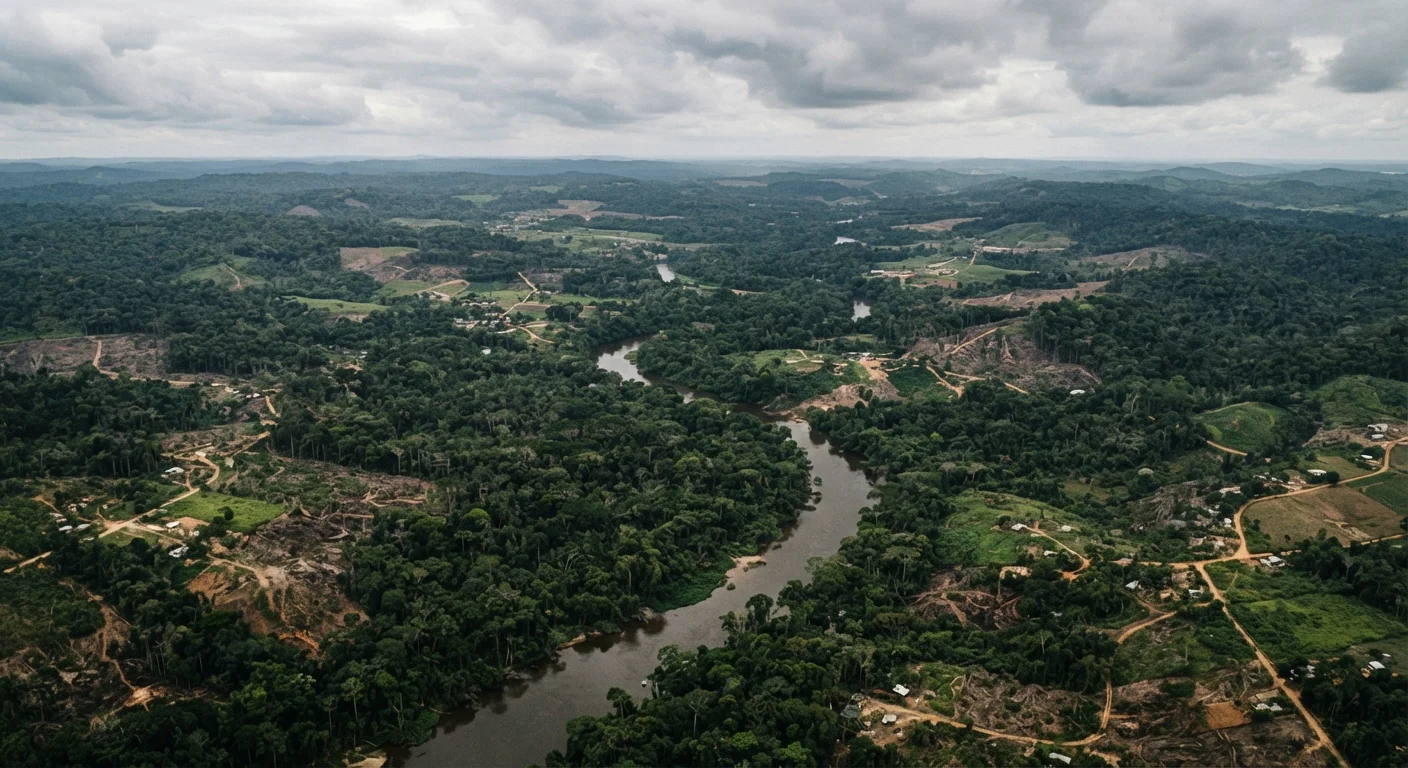
Ecosystems are not collections of independent organisms - they are webs of mutual dependency, shaped by millions of years of co-evolution. When a single species disappears, whether through hunting pressure, habitat loss, or disease, the structure holding that web together can shift in ways that are unexpected and far-reaching.
To understand why, it helps to think about how food webs and nutrient cycles operate as integrated systems. Each species fills a functional role - predator, pollinator, decomposer, seed disperser - and other organisms have adapted their behavior and physiology around that presence. Remove the role, and the system must reconfigure.
Ecologists call this reorganization a trophic cascade: a ripple of change that moves through feeding levels, altering population sizes, plant communities, soil chemistry, and even watershed dynamics. The scale of disruption depends heavily on which species is lost and how many others depend on it.
~1 million
Species currently threatened with extinction
According to the 2019 IPBES Global Assessment Report on Biodiversity and Ecosystem Services, approximately one million animal and plant species face extinction threat.
68%
Average decline in vertebrate populations since 1970
WWF's Living Planet Report 2022 documented an average 69% decline in monitored vertebrate wildlife populations between 1970 and 2018.
5-10x
Greater extinction rate than natural background levels
Scientific estimates suggest current extinction rates are 100 to 1,000 times higher than pre-human background rates, according to analyses published in journals including Science.
The Wolf and the Willow: A Documented Cascade
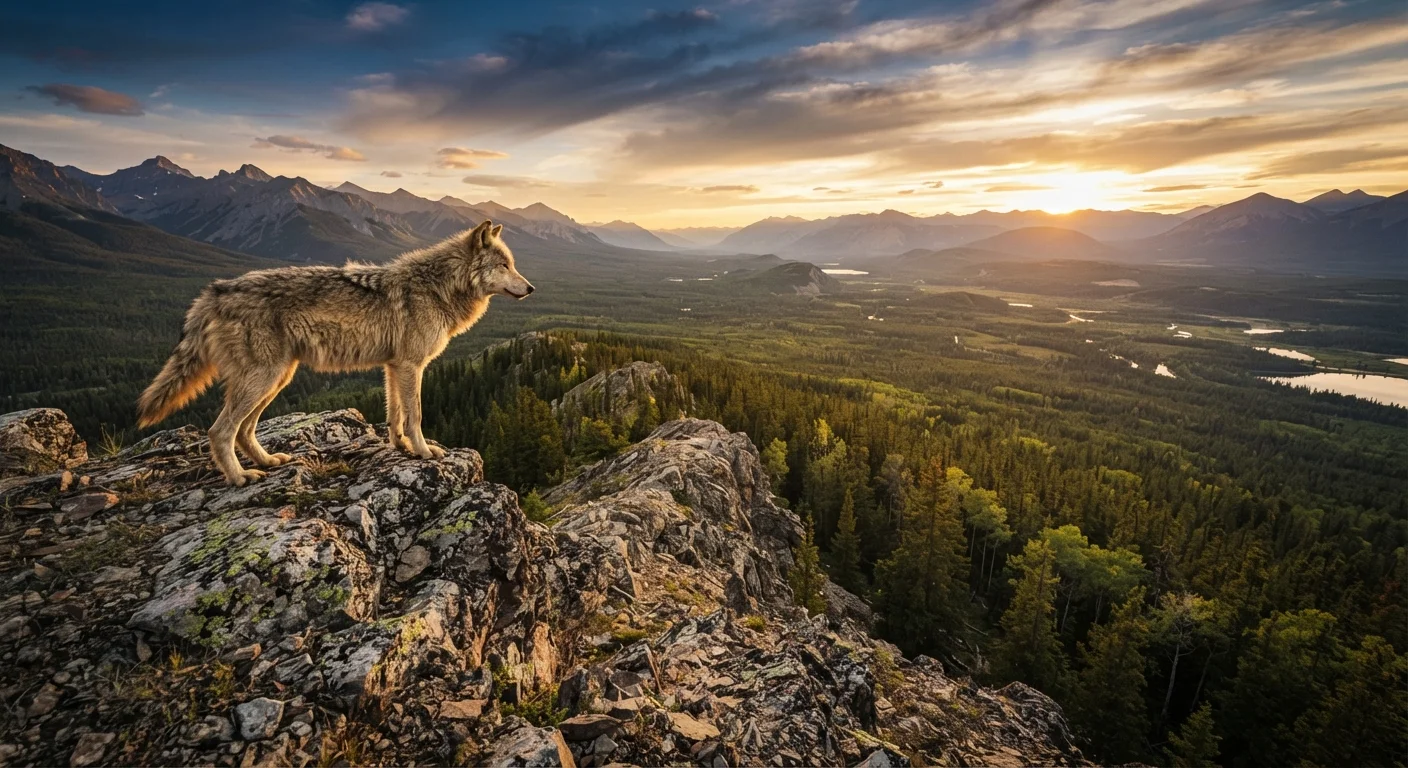
One of the most studied trophic cascades in modern ecology followed the extirpation - and later reintroduction - of gray wolves in Yellowstone National Park. Without wolves, elk populations grew unchecked and grazed river valleys intensively, stripping willows, aspens, and cottonwoods down to bare ground. Streambanks eroded, water temperatures rose, and beaver populations declined because the woody vegetation beavers depend on had largely vanished.
When wolves were reintroduced in 1995, elk behavior changed alongside population dynamics. Elk began avoiding open valley floors where they were vulnerable, allowing riverbank vegetation to recover. Beavers returned, their dams slowing water flow and creating wetland habitat. Songbirds, fish, and amphibians responded in turn. Researchers described the process as a cascade that ultimately altered the physical shape of rivers - a phenomenon sometimes called a landscape of fear.
This example illustrates a core ecological insight: predators do not only reduce prey numbers, they change prey behavior, which in turn shapes entire landscapes.
“When we try to pick out anything by itself, we find it hitched to everything else in the universe.”
— John Muir, Naturalist and early conservationist
Keystone Species and Disproportionate Influence
Not all species produce cascades of equal magnitude when removed. Keystone species - a term coined by ecologist Robert Paine in the 1960s - are organisms whose influence on ecosystem structure is disproportionately large relative to their biomass or abundance. Paine's own experiments in Pacific tidal pools showed that removing a single predatory sea star (Pisaster ochraceus) caused mussels to monopolize the rocky substrate, crowding out over a dozen other species and reducing local biodiversity dramatically.
Sea otters in kelp forest ecosystems provide another instructive case. Otters prey on sea urchins; without them, urchin populations explode and consume kelp holdfasts en masse, collapsing kelp forest structure and the hundreds of fish and invertebrate species that shelter within it. The distinction between apex predators and keystone species is worth understanding - not all apex predators are keystone species, and some keystone species are not predators at all. Fig trees, for instance, are considered keystone species in tropical rainforests because their year-round fruiting sustains dozens of frugivores through lean seasons.
Identifying Keystone Species in Local Habitats
If you're interested in the ecological dynamics of a local habitat, look for species that disproportionately structure their environment - large predators, ecosystem engineers like beavers, or high-abundance pollinators. Local wildlife agencies and university ecology departments often publish assessments of which species play keystone roles in regional ecosystems. Understanding this can help contextualize news about local wildlife management decisions.
Biodiversity as Ecological Insurance
One reason species-rich ecosystems tend to be more resilient is that they carry functional redundancy - multiple species performing similar roles. If one pollinator declines, others may compensate. If one seed disperser disappears, the forest may still regenerate via alternative vectors. This redundancy acts as a buffer against cascade effects.
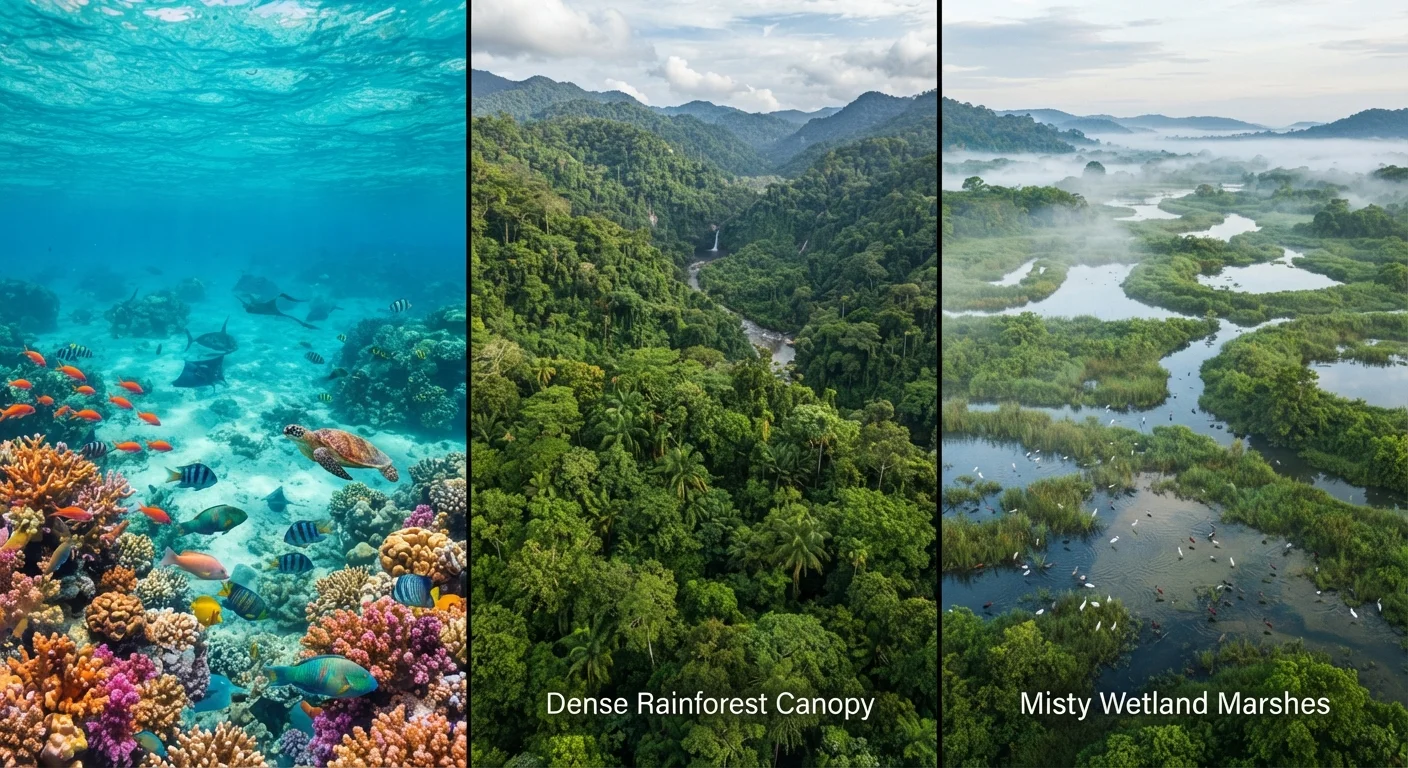
Simplified ecosystems - those already stressed by habitat fragmentation, invasive species, or pollution - carry far less of this insurance. In ecosystems like coral reefs and tropical rainforests, complex interdependencies mean that cascades can be rapid and severe when species are lost. The loss of coral-building species, for example, restructures reef architecture, eliminating habitat for hundreds of fish and invertebrate species downstream in the food web.
Understanding these dynamics matters beyond conservation biology. Ecosystem services - clean water filtration, carbon sequestration, flood regulation, crop pollination - depend on the same ecological relationships that sustain wild species. The stability of those services is, in part, a function of species diversity itself.
This article is for general educational purposes. Readers interested in conservation actions in their region are encouraged to consult ecologists, wildlife agencies, or peer-reviewed scientific literature.