
Why Marking Time Together Matters
Human beings are creatures of rhythm. We track seasons, celebrate anniversaries, and gather on recurring occasions in ways that go far beyond mere scheduling. Sociologists have long argued that this impulse to mark time collectively is not incidental to community life - it is one of its core mechanisms.
Understanding what transforms a loose gathering into a true community requires looking closely at these shared temporal anchors. A group that never meets, never observes, and never celebrates together tends to dissolve - not from conflict, but from a quiet erosion of shared identity.
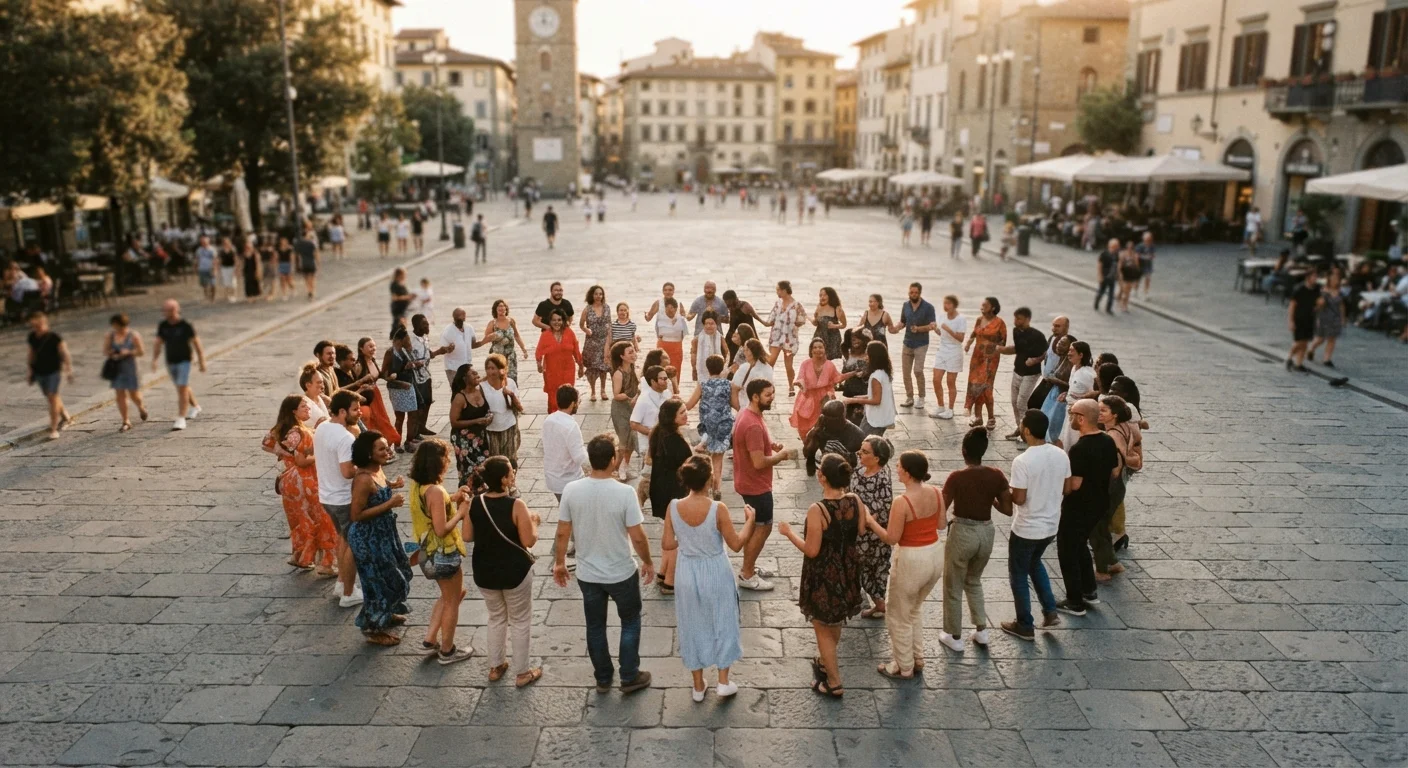
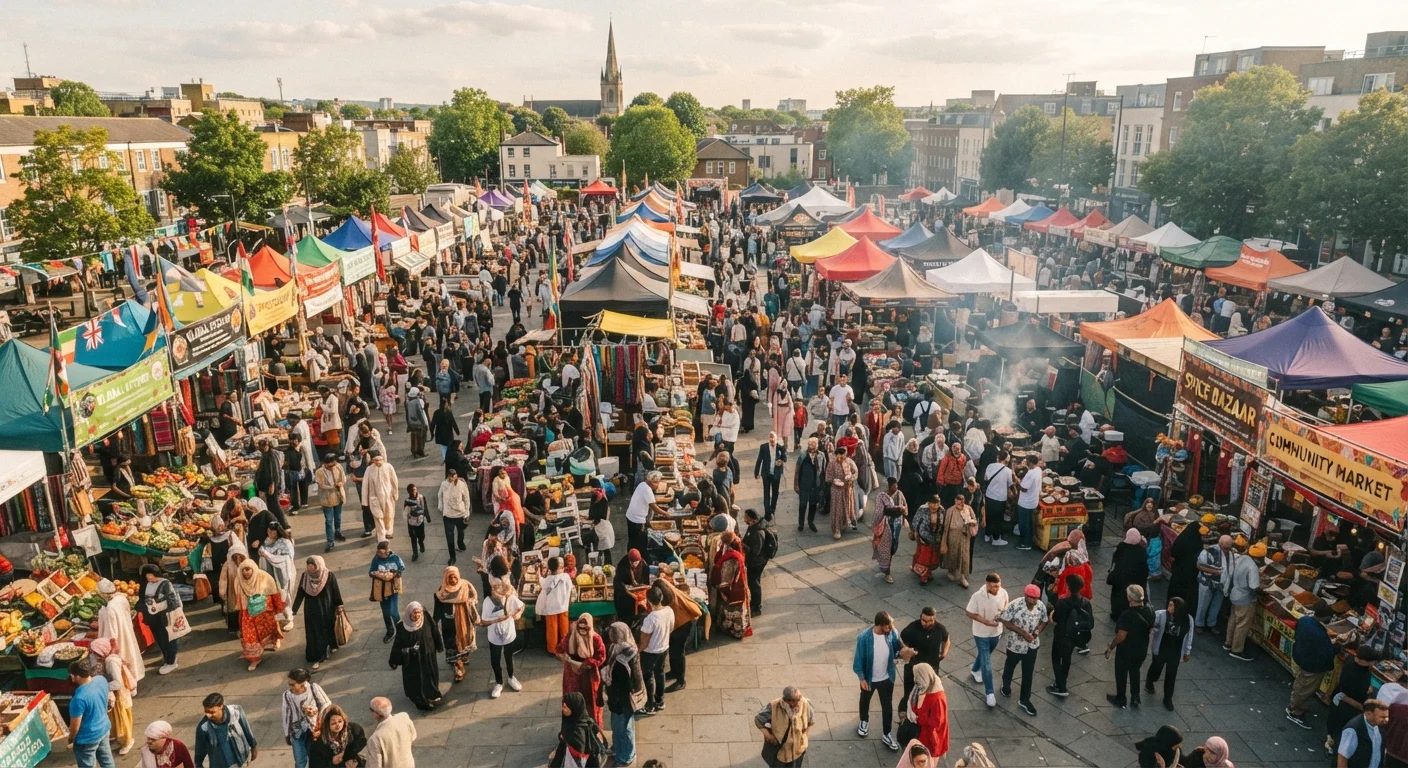
Rituals work because they compress meaning into action. When a neighborhood gathers for an annual street fair, the event itself communicates something that a mission statement cannot: we belong to this place and to each other.
“Collective ceremonies serve to revivify the most essential elements of the collective consciousness. The group comes together in order to act and to think in common. The individual is strengthened in his social nature and forges closer bonds with others.”
— Émile Durkheim, Sociologist and author of 'The Elementary Forms of the Religious Life' (1912)
Ritual Versus Routine: A Meaningful Distinction
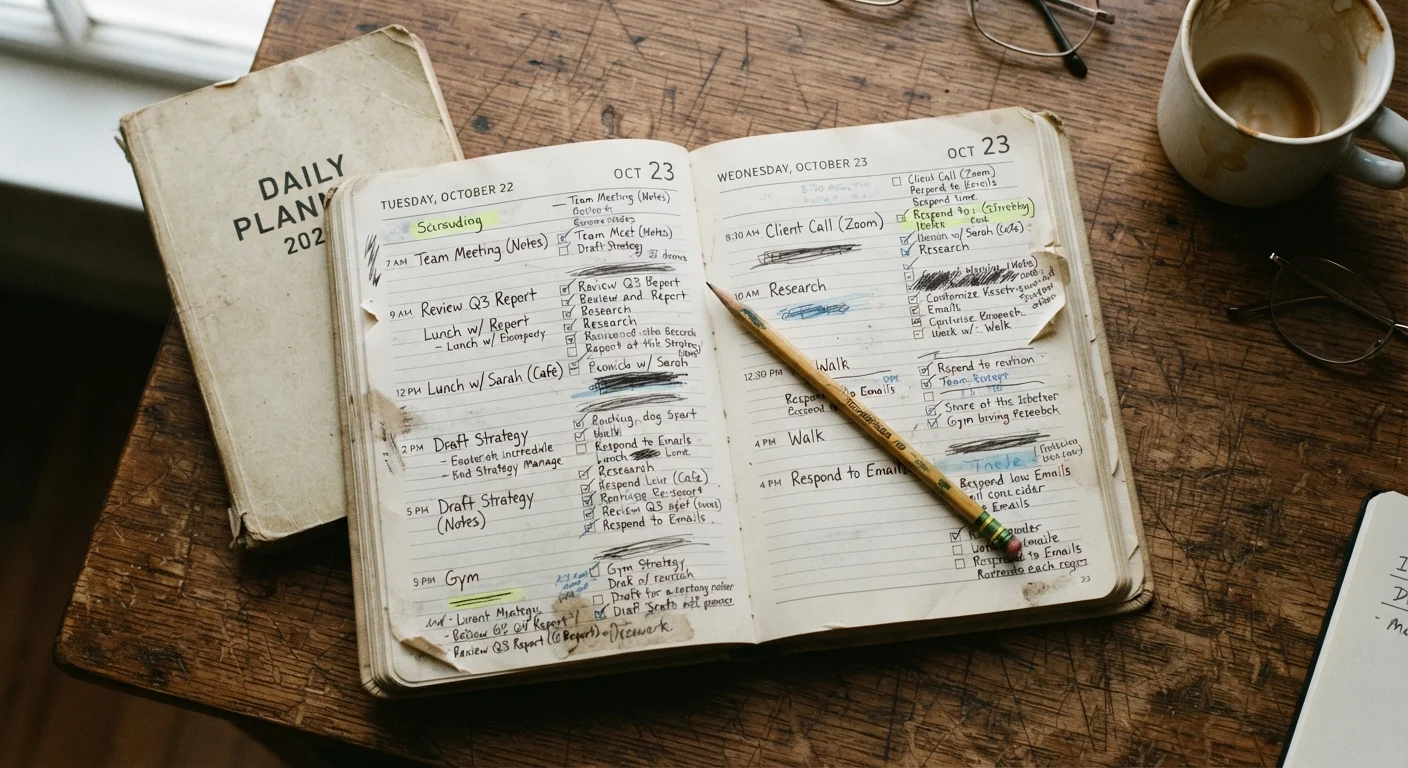
It is easy to conflate ritual with routine, but the distinction matters. A routine is optimized for efficiency - it reduces cognitive load by automating repeated behavior. Research on habit formation shows these patterns are essentially individual and instrumental: we repeat them because they work.
Rituals operate differently. Their value is not primarily functional - it is symbolic. A community's annual remembrance ceremony could, in a purely logistical sense, be replaced by a group email. But it isn't, because the shared physical presence, the repetition, the familiar sequence of actions carry meaning that no efficient substitute can replicate.
Ritual Is Not Exclusively Religious
It is a common misconception that rituals belong primarily to religious or traditional contexts. Sociologists use the term broadly to describe any repeated, socially meaningful collective practice - regardless of whether it involves faith, ceremony, or cultural heritage. A weekly pub quiz and a cathedral service can both function as community rituals.
This is why even highly secular, pragmatic organizations - corporations, sports clubs, volunteer associations - spontaneously develop rituals. The form varies; the social need they serve does not.
The Sociology Behind Shared Rhythms
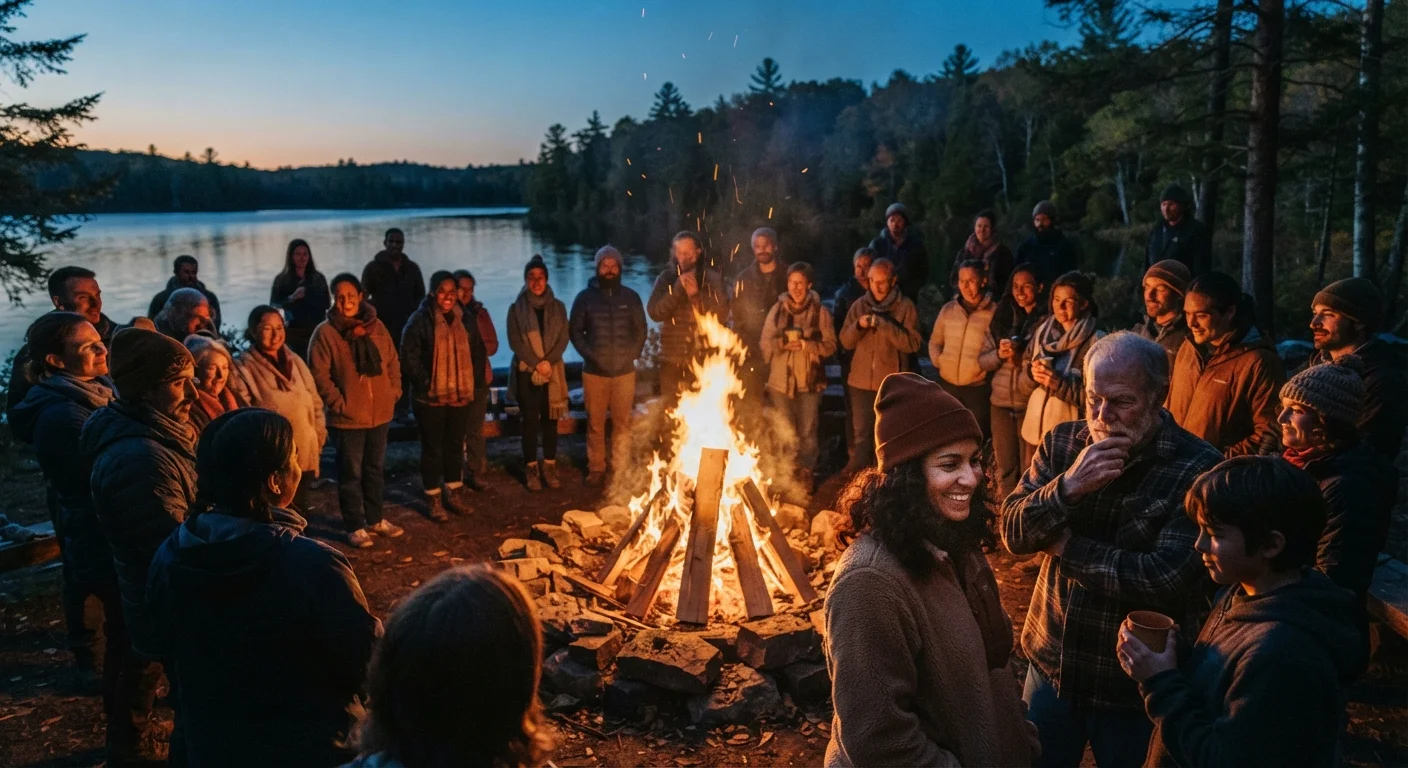
Émile Durkheim, writing in the early twentieth century, identified what he called collective effervescence: the heightened emotional energy generated when people perform rituals together. He observed that this feeling - the sense of being lifted beyond the individual self into something larger - is not a byproduct of religious belief but a product of the collective act itself. The gathering creates the feeling; the feeling reinforces the gathering.
Later researchers built on this foundation. Randall Collins developed the concept of interaction ritual chains, arguing that emotional energy accumulated in shared rituals flows into subsequent social interactions, keeping communities alive between gatherings. In other words, the annual festival matters partly because of what it deposits into everyday relationships long after it ends.
89%
Adults reporting sense of belonging from shared traditions
A Pew Research Center survey found that the vast majority of adults across multiple countries associate regular shared traditions with a strong sense of community membership.
3x
Greater trust reported among regular ritual participants
Research published in the journal Psychological Science found that people who regularly participate in synchronized group activities report significantly higher levels of trust toward fellow participants than those who do not.
60%+
Of people who felt more isolated when group gatherings stopped
Studies examining social wellbeing during periods when public gatherings were restricted found a majority of respondents reported meaningful increases in feelings of loneliness and social disconnection.
These dynamics appear across the diverse structures through which people organise belonging - from kinship networks and faith congregations to diaspora associations and professional guilds.
What Happens When Rituals Are Disrupted
The importance of shared marking rituals became unusually visible during the COVID-19 pandemic. When gatherings were suspended - religious services, cultural festivals, sports events, communal meals - many communities reported not just inconvenience but a palpable sense of disorientation and disconnection. The shared calendar that had organized social life fell silent.
This experience aligned with what sociologists had long predicted: community fragmentation is not random. It accelerates when the practices that regularly reaffirm collective identity are removed. Conversely, communities that found ways to adapt their rituals - moving celebrations online, holding distanced gatherings - tended to maintain stronger cohesion than those that simply paused.
The pandemic also prompted new rituals to emerge: neighborhood balcony applause, virtual memorial services, collective online mourning. These improvised forms demonstrated that the human need to mark time together is remarkably resilient. For a deeper look at why these practices persist across cultures, see why collective rituals still matter in a fragmented world.
Building New Community Rituals
If you are part of a new or struggling group, introducing a consistent shared practice - even a simple monthly gathering with a predictable structure - can accelerate the development of genuine cohesion. The ritual does not need to be elaborate; consistency and shared investment in its meaning matter far more than scale or spectacle.
Shared meals occupy a particularly powerful place in this landscape - a point explored in depth in why eating together still matters across cultures.