
Why Cross-Border Preparation Is Not Optional
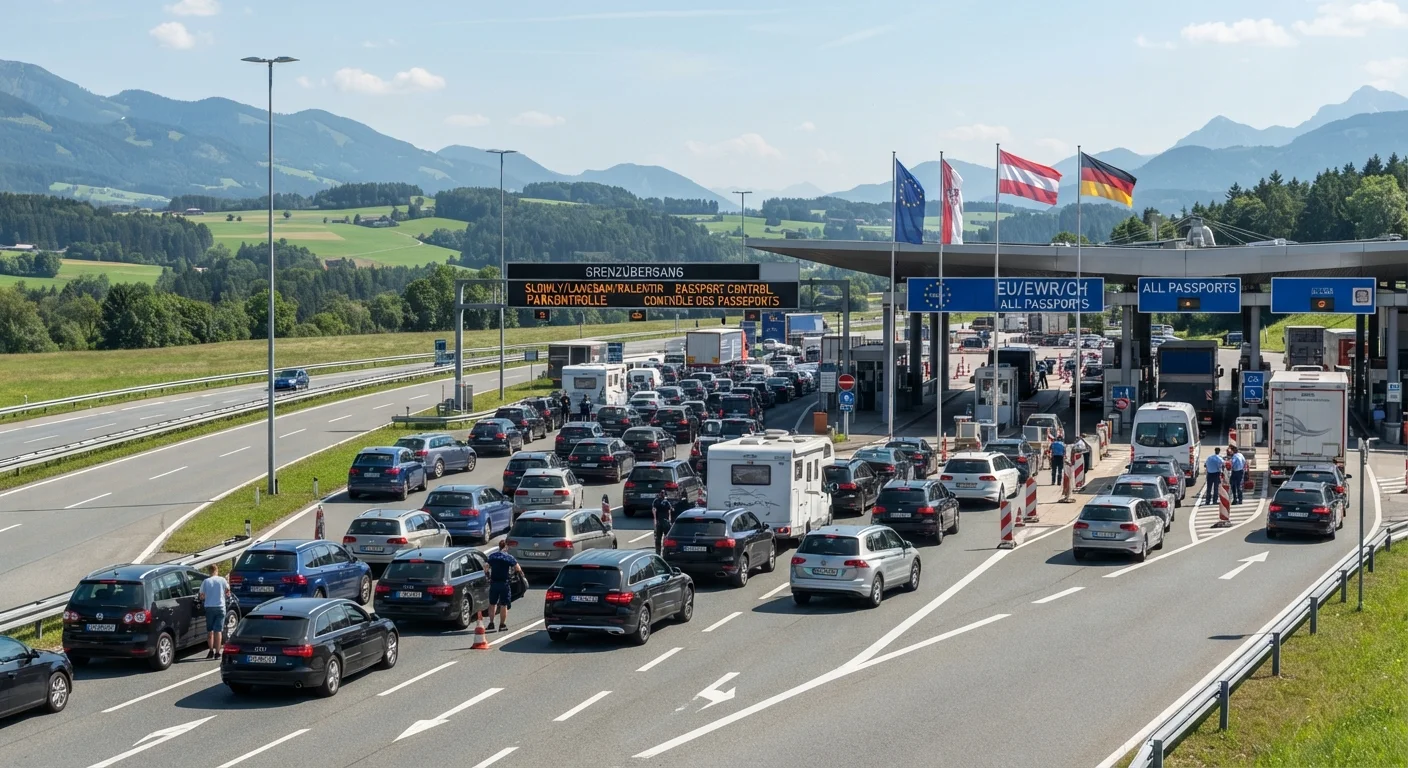
Driving from Germany into Austria, France, or Poland feels seamless - Schengen means no passport stamp, but it does not mean identical road rules. Traffic laws are set at the national level, and ignorance of local regulations is not accepted as a defence by foreign police. Fines can be issued on the spot, and in some countries authorities have the power to impound vehicles for serious infractions.
Beyond fines, the practical stakes are high: an expired or wrong-format insurance document can leave you stranded after an accident, while missing mandatory safety equipment can compound a bad situation into a legal one. This checklist is designed to help you audit your vehicle, documents, and knowledge before you leave Germany - and to prompt the specific country research every long-haul European driver should complete.
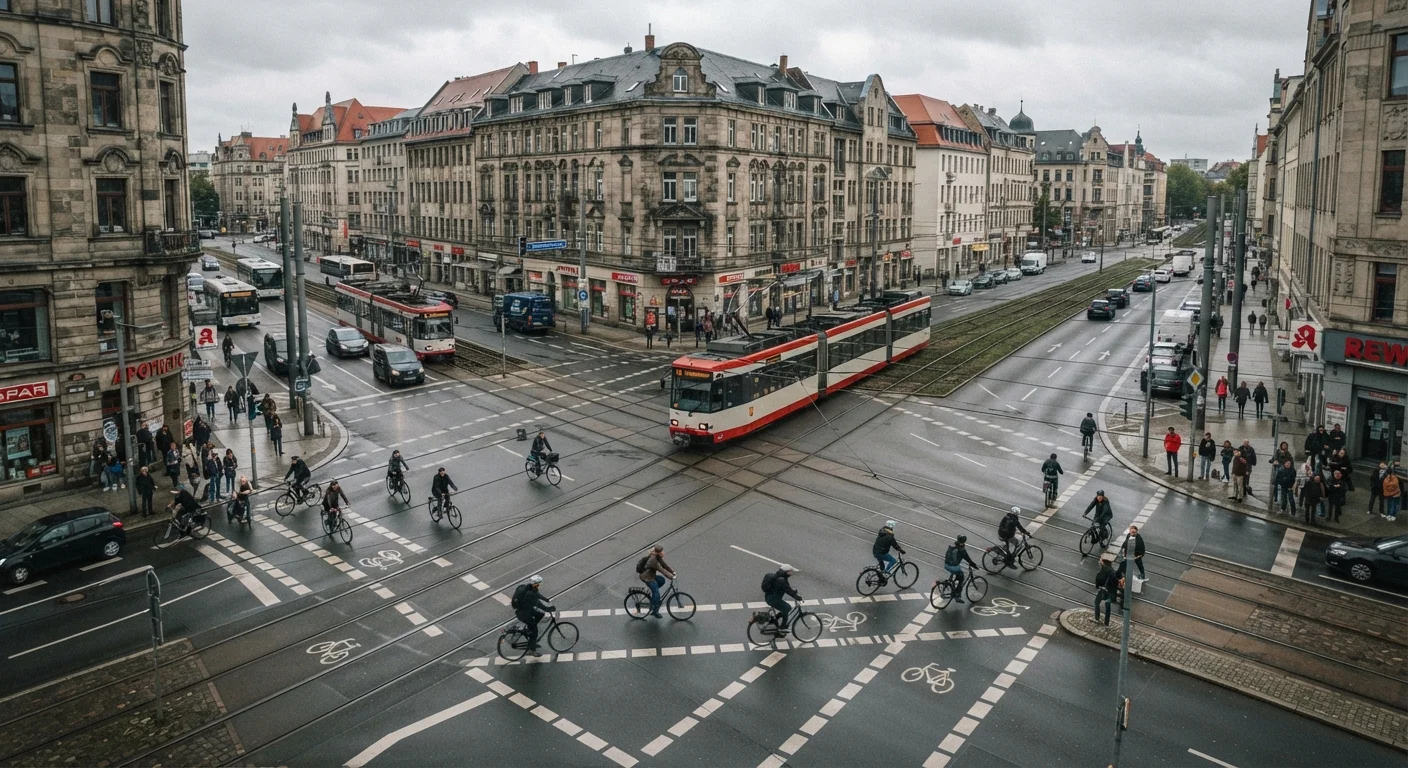
For a thorough vehicle condition check before departure, see our pre-departure safety checklist. If you need a refresher on German right-of-way rules before heading into countries with similar systems, our guide on right of way at intersections and roundabouts is a useful starting point.
Documents
Tolls and Vignettes
Mandatory In-Car Equipment
Speed and Traffic Law Awareness
Vehicle Condition
Documents, Insurance, and Tolls
The paperwork layer of cross-border driving is where most drivers are caught underprepared. Your German vehicle registration document (Zulassungsbescheinigung Teil I) must travel with the car. Your driving licence must be valid - an EU licence is recognised across member states, but if you hold a non-EU licence you may need an International Driving Permit for certain destinations.
Insurance is the area demanding the most attention. Third-party liability cover is mandatory across the EU, and German insurers are required to provide a minimum of EU-equivalent cover in EU member states. However, the level of cover can differ from your German policy. A green card (Internationale Versicherungskarte) - available free from your insurer - is the internationally recognised proof of insurance and is still legally required in several non-EU countries including Switzerland, Turkey, and most Western Balkan states. Carry it regardless of your destination.
Toll systems are fragmented across Europe. Austria and Switzerland require a vignette (motorway sticker) purchased before you drive on their motorways - driving without one carries heavy fines. France, Italy, Spain, and Portugal use barrier-based tolls payable by card or cash. Some countries also operate time-based or distance-based electronic systems. Research the specific toll requirements of every country on your route well in advance. Our country-by-country speed limit overview pairs well with toll research as part of route planning.
Spot Fines Can Be Substantial
Several European countries - including France, the Netherlands, and Austria - are authorised to collect traffic fines on the spot from foreign-registered drivers. Amounts can reach several hundred euros for speeding or equipment violations. Unlike in Germany, where fines are often posted by mail, payment may be demanded immediately before you are permitted to continue driving. Budget and plan accordingly.
Mandatory Equipment and Environmental Restrictions
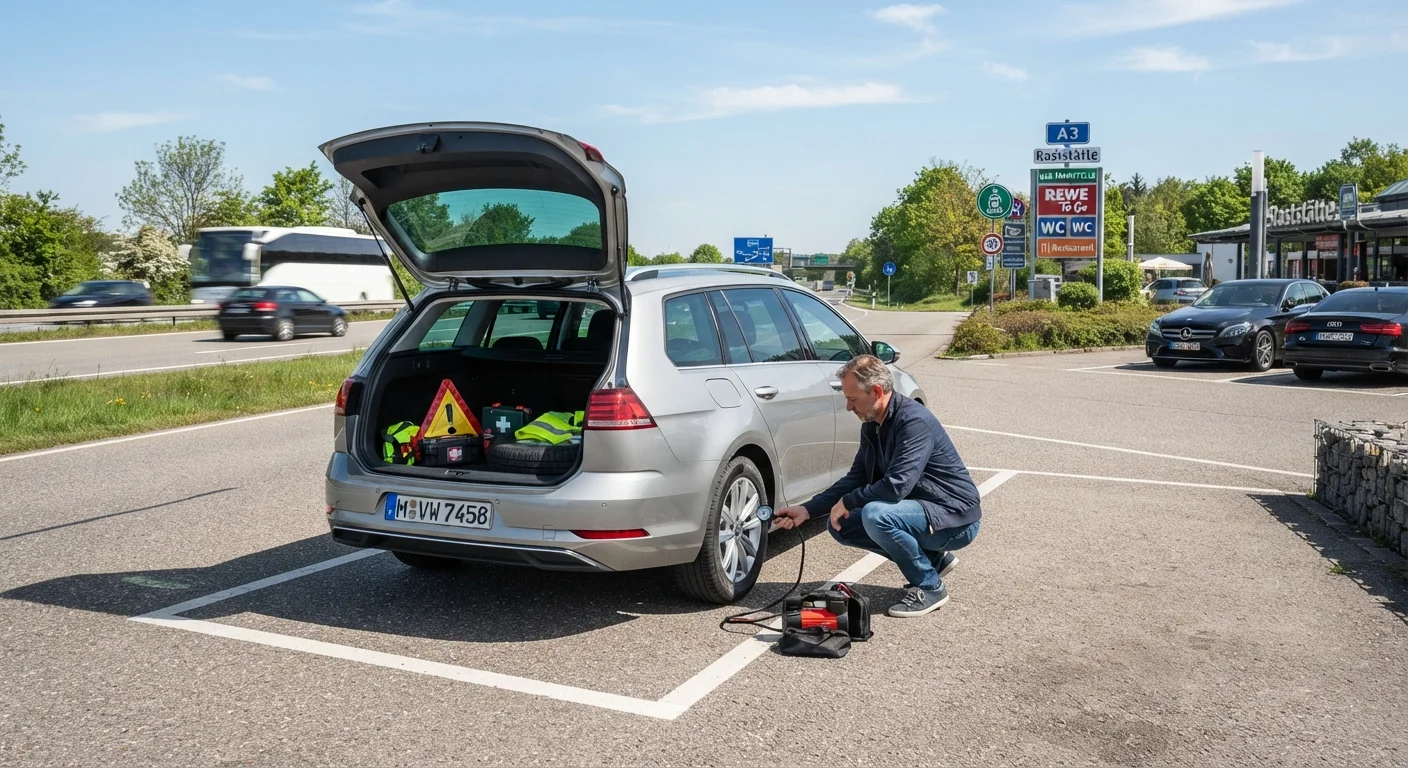
Germany requires drivers to carry a warning triangle and a first-aid kit. Other European countries add to this list - sometimes significantly. France mandates a breathalyser kit (though the fine for not carrying one is currently suspended, the requirement remains on the books). Spain requires spare glasses if you drive with a prescription. Austria, Czech Republic, and several others require a high-visibility vest accessible from inside the cabin - not stored in the boot.
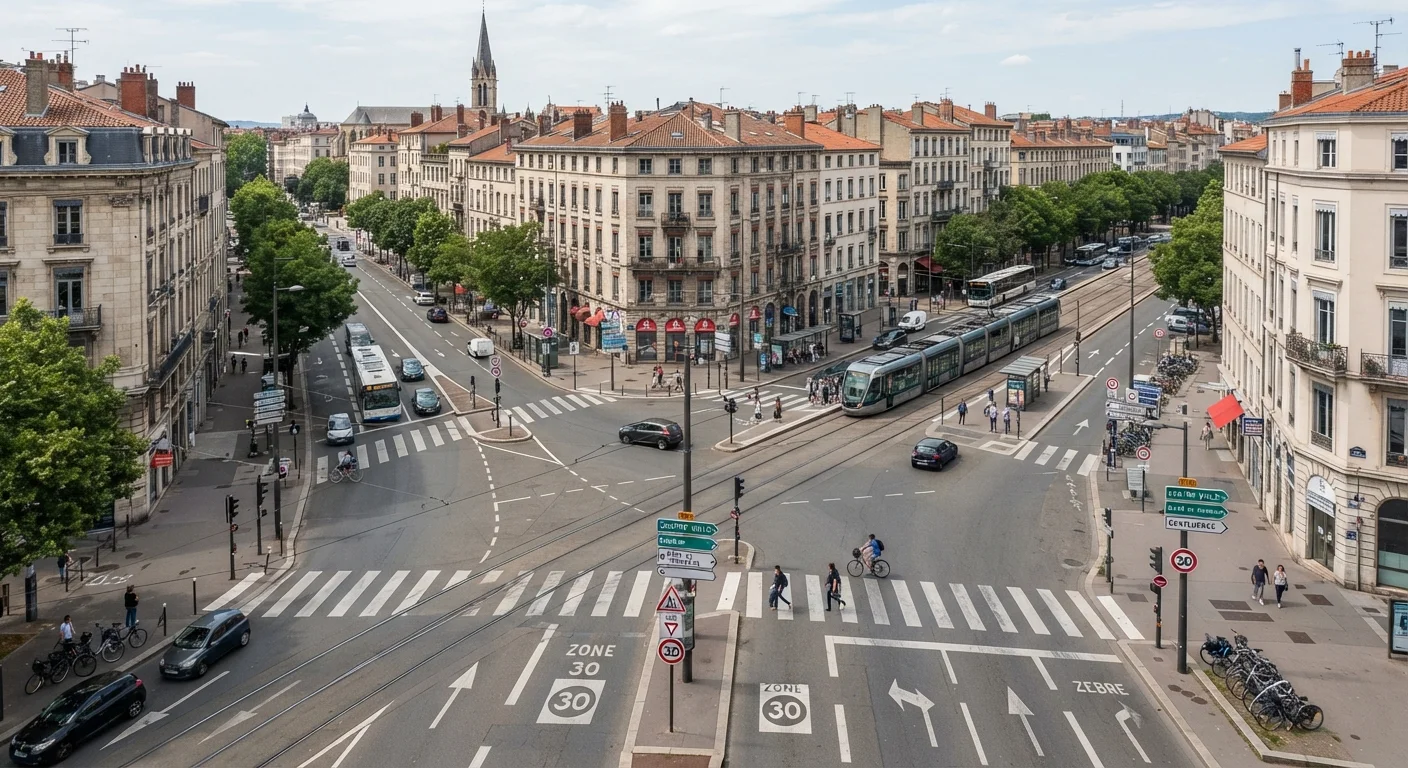
Environmental restrictions are increasingly relevant for foreign drivers. France's Crit'Air vignette system applies in designated zones in Paris and other cities, and foreign-registered vehicles are not exempt. Similar LEZ schemes operate in parts of Italy, Belgium, and the Netherlands. Driving into a restricted zone without the correct sticker can result in a fine processed automatically via number-plate recognition and issued to your home address weeks later.
Low-Emission Zone Fines Follow You Home
Automated number-plate recognition systems in French, Belgian, and Dutch low-emission zones issue fines directly to the registered owner of a foreign vehicle. You may receive the penalty weeks after returning to Germany. These fines are increasingly enforced through cross-border debt recovery agreements between EU member states, so they cannot simply be ignored.
Before any trip, compile a per-country equipment checklist based on official government or motoring club sources for your specific destination countries. General guides are a starting point - they are not a substitute for current, country-specific official information.
Speed Limits, Alcohol Limits, and Other Key Rule Differences
Speed limits diverge substantially the moment you cross a border. Germany's motorways are famously unrestricted on many sections, but this changes immediately in neighbouring countries - Austria's motorway limit is 130 km/h, France's is also 130 km/h (reduced to 110 km/h in rain), and Poland enforces 140 km/h on its expressways. Urban and rural limits vary equally. Our dedicated European speed limit reference provides a country-by-country breakdown.
Alcohol limits are one of the most consequential differences. Germany's legal blood-alcohol limit is 0.5 g/L for experienced drivers. Several countries - including the Czech Republic, Hungary, Romania, and Slovakia - operate a strict 0.0 g/L limit. Even a small amount of alcohol from the previous evening could place you above the legal threshold. Mobile phone laws also vary: hands-free use is banned in some countries, and fines for handheld use range from moderate to severe.
Daytime headlight requirements differ too: many Eastern and Northern European countries mandate dipped headlights at all times, year-round. Failure to comply is a finable offence even in daylight. For drivers used to German urban and rural conditions, our article on city versus rural driving in Germany provides useful context on adapting driving behaviour to different environments.
Official national motoring authority websites
Provide current, legally authoritative information on road rules, mandatory equipment, and toll systems for each destination country.
Green Card (Internationale Versicherungskarte)
Serves as internationally recognised proof of third-party insurance, required in non-EU countries and useful throughout Europe.
Country-specific vignettes or toll passes
Grant legal access to motorway networks in vignette-required countries such as Austria and Switzerland.
Crit'Air or equivalent environmental sticker
Required to enter low-emission zones in France and several other European cities without incurring automatic fines.
Headlight beam deflector stickers
Redirect asymmetric headlight beams to avoid dazzling drivers in countries where traffic flows on the opposite side.
Physical European road atlas or offline maps
Provides navigation backup in areas with poor mobile data coverage, particularly in mountainous or rural regions.