
Why Social Rank Exists at All
Living in a group offers animals real advantages - shared vigilance, cooperative hunting, collective defense. But it also creates competition. When multiple individuals want the same food patch, mate, or resting spot, conflict is inevitable unless groups have a mechanism to manage it.
Dominance hierarchies are that mechanism. By establishing consistent, recognized rankings, groups replace repeated, energy-draining contests with a social shorthand: lower-ranking individuals yield; higher-ranking ones take priority. The result is a net reduction in conflict costs for everyone. Ethologists describe this as the competitive exclusion buffer - hierarchy functions as a stable system that makes group life viable despite resource competition.
Importantly, hierarchy is not unique to any one lineage. It appears in mammals, birds, fish, insects, and crustaceans - a convergent solution to a universal social problem. The ecological pressures that push species toward group living are closely connected to why ranked structures emerge within those groups.
90%+
Conflicts resolved without physical contact
Research on social primates suggests the large majority of dominance interactions are resolved through displays and submission signals alone, not physical fights.
42
Species studied in landmark dominance network research
A 2016 meta-analysis in PLOS ONE examining dominance hierarchies across 42 animal species found linear ranking structures to be the most common pattern, appearing in over 75% of groups studied.
3-5 years
Average tenure at top rank in baboon troops
Long-term studies of savanna baboons by researchers including Robert Sapolsky document that alpha male tenure is relatively brief, with rank shifting as coalitions and health change.
What Actually Determines Rank
Popular culture tends to equate dominance with raw physical power, but field research tells a more nuanced story. While size and fighting ability matter - particularly in species where contests are direct - a broader set of factors shapes social rank:
- Age and experience: Older individuals in many primate species hold rank partly because they have accumulated social knowledge and established relationships over years.
- Coalition support: In baboons, chimpanzees, and hyenas, individuals build alliances that collectively outweigh individual strength. A physically weaker animal backed by reliable allies can outrank a stronger solitary one.
- Tenure and familiarity: Residency advantages are well-documented. Animals familiar with a territory and its social group often hold rank over newcomers regardless of size.
- Maternal rank inheritance: In some species, including certain macaque populations, offspring inherit rank near their mother's position - a learned and socially enforced phenomenon rather than a genetic one.
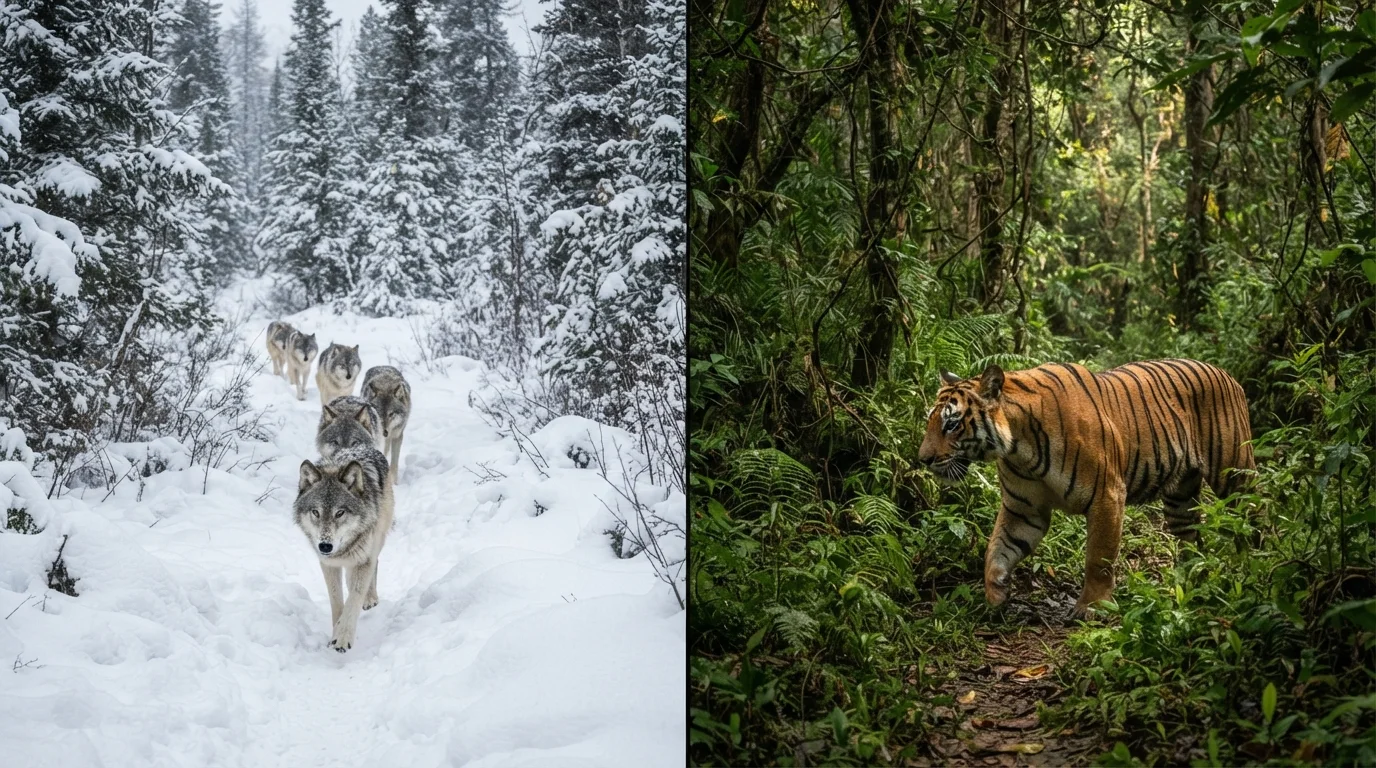
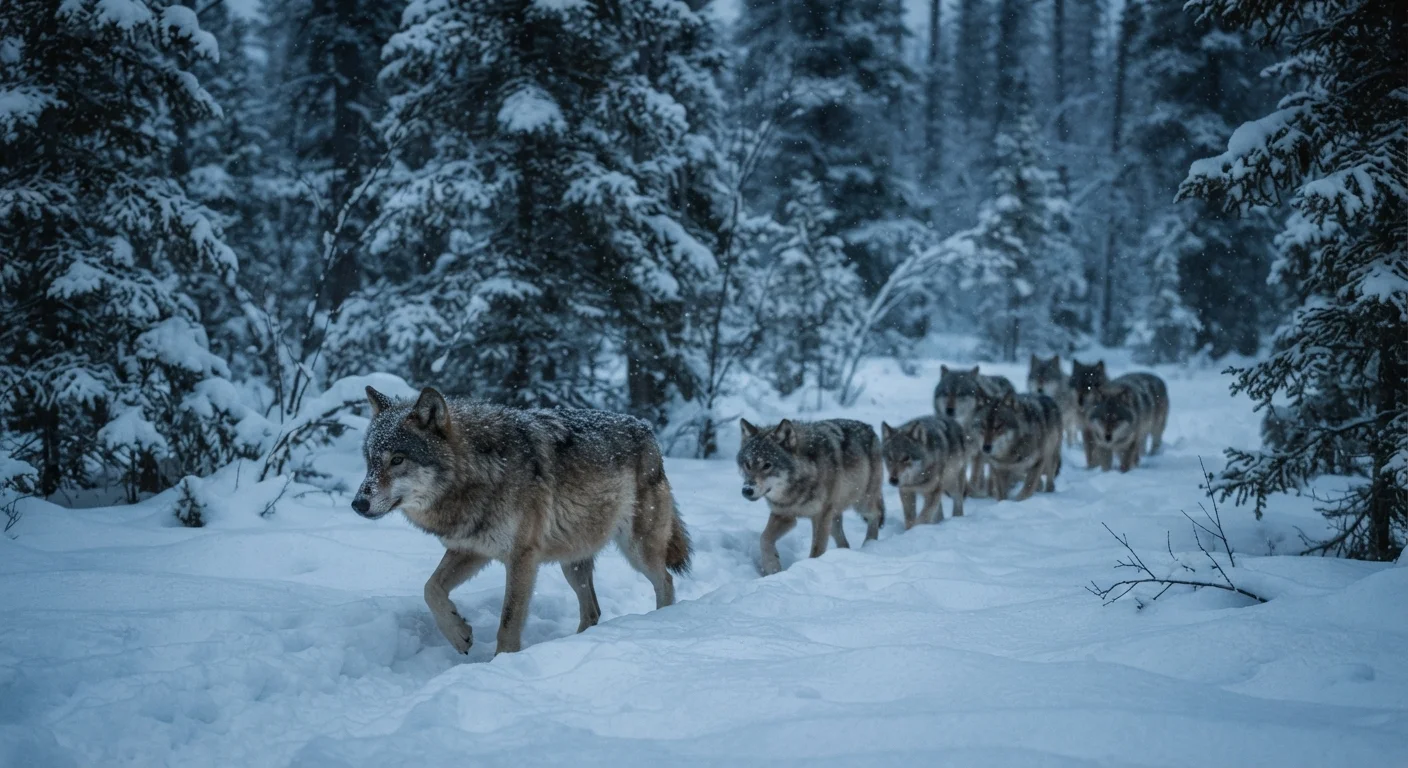
This complexity is especially visible in wolf packs. Wolf pack hierarchies are better understood as family structures led by breeding adults whose authority derives from parental roles, not conquest - a far cry from older 'alpha takeover' narratives.
“The concept of the 'alpha wolf' as the most dominant, aggressive animal in the pack - one that fights its way to the top - is based on outdated studies of captive wolves. Wild wolf packs are family units, and the 'alphas' are simply the parents.”
— L. David Mech, Senior research scientist, U.S. Geological Survey; wolf behavioral ecologist
Hierarchy, Cooperation, and the Limits of Dominance
A common misconception frames dominance hierarchies as purely exploitative - dominant individuals taking resources while subordinates suffer. Ecological research complicates this view considerably.
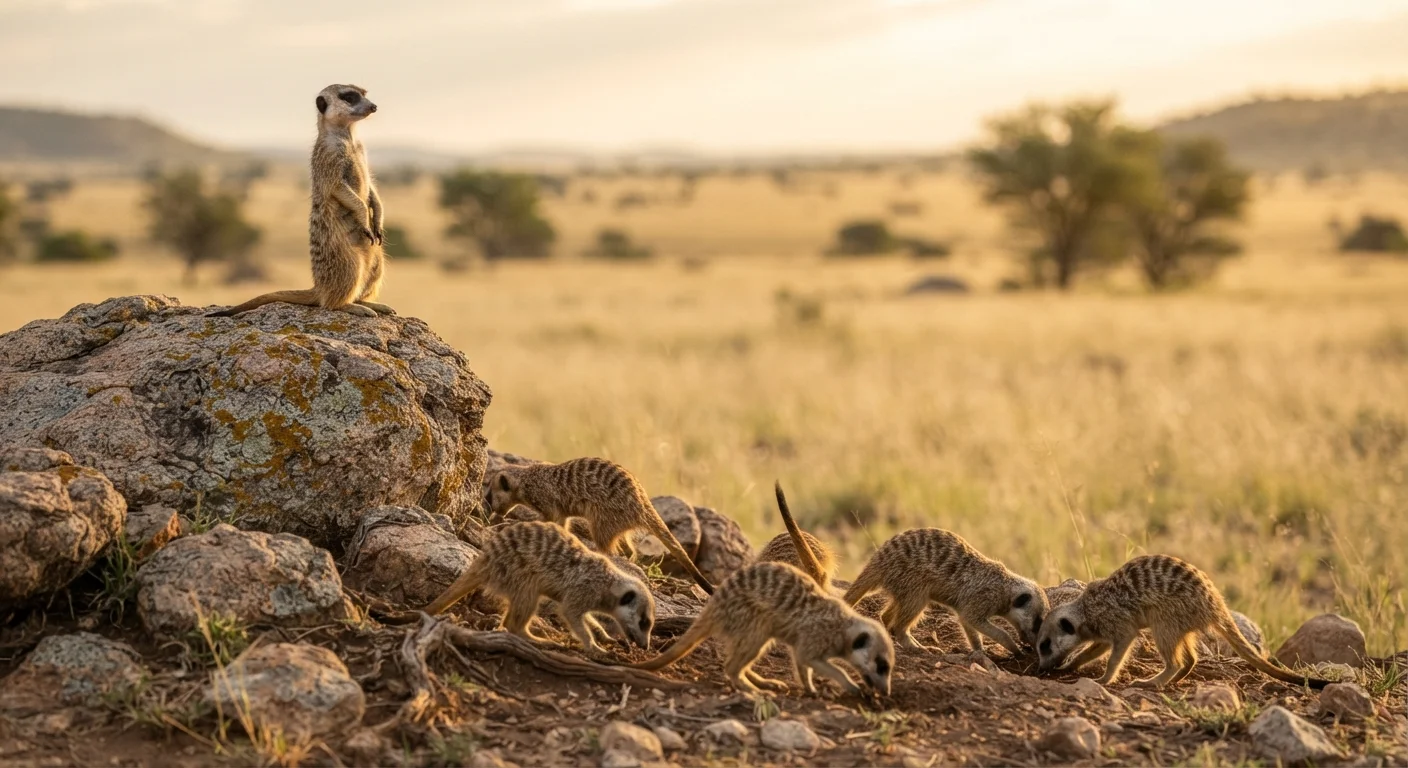
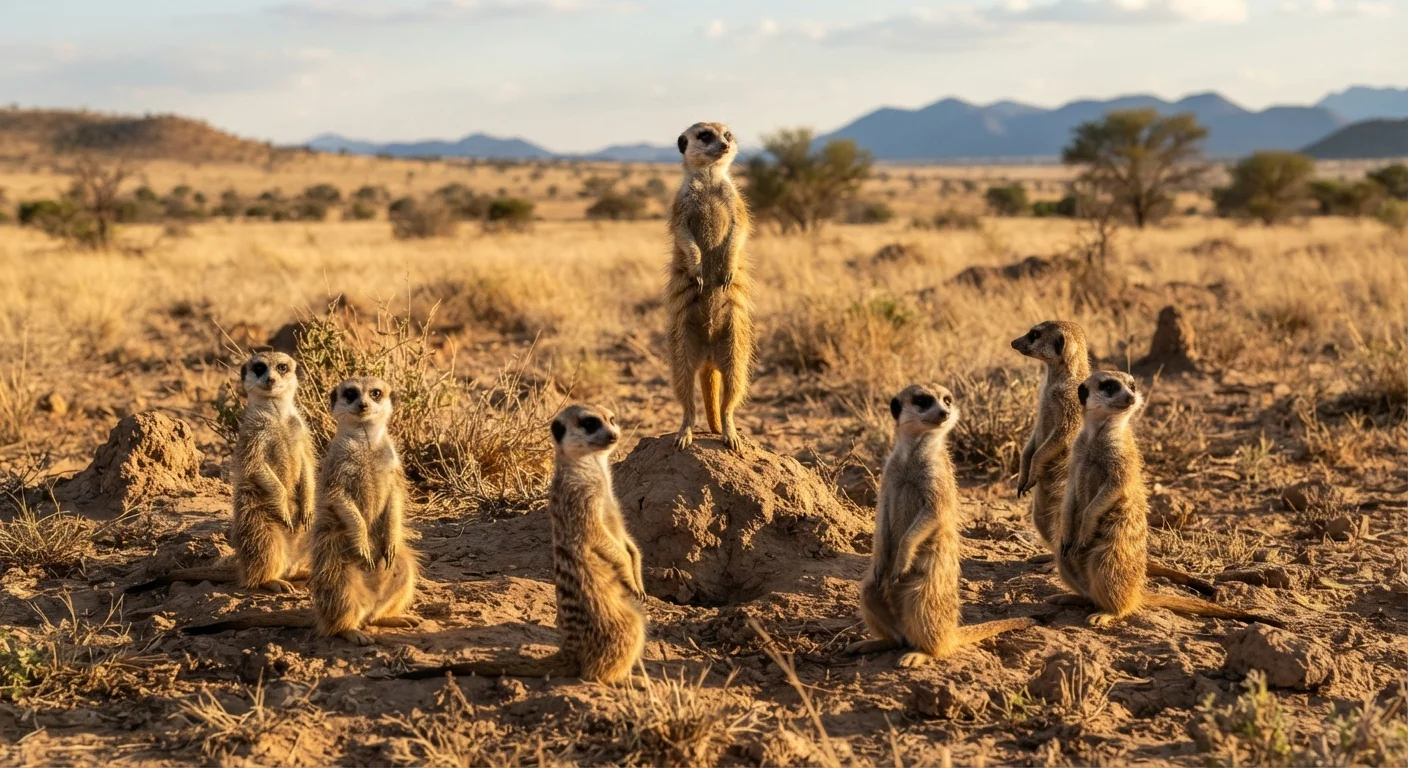
High-ranking individuals frequently perform functions that benefit the whole group: initiating coordinated movement, arbitrating disputes between lower-ranking members, or leading defense responses. In meerkats, dominant females direct sentinel duty rotations that protect all group members. In bottlenose dolphins, stable hierarchies correlate with more efficient cooperative foraging. The hierarchy, in these cases, is also a coordination system.
That said, costs do fall unevenly. Subordinate individuals typically experience higher glucocorticoid (stress hormone) levels and reduced reproductive success in species with rigid linear hierarchies. These costs explain why subordinates challenge rank when opportunity arises, and why hierarchies are rarely static. The evolutionary logic of cooperation within hierarchical groups turns out to involve reciprocal benefit, kin selection, and strategic alliance-building - not simple altruism.
For contrast, some species solve coordination problems without any individual hierarchy at all. Collective intelligence in flocks, swarms, and schools demonstrates how decentralized rules can produce strikingly organized group behavior without a dominant individual directing it - a reminder that hierarchy is one evolutionary strategy among several.
Observing Hierarchy Without Misreading It
When watching animal groups - whether domestic chickens, zoo primates, or wild ungulates - resist mapping human social judgments onto ranked behavior. What looks like 'bullying' is often ritualized deference that prevents actual injury. Context, species biology, and the full social network all shape what dominance interactions mean ecologically.